
10 Common Mistakes British Buyers Make when Buying a Property in France
Advice
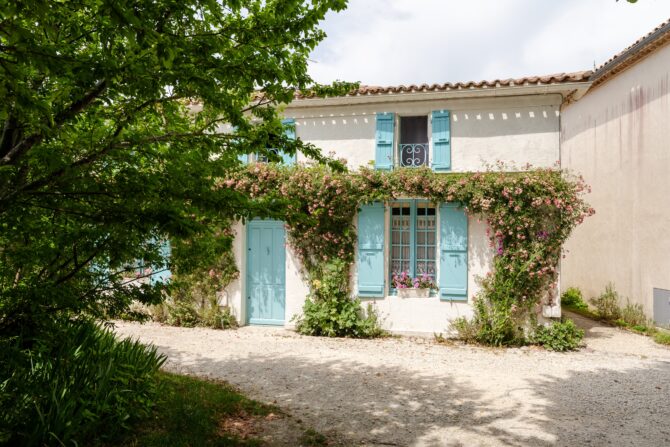

Buying a French property is often the culmination of years of dreaming, browsing property websites and looking longingly at houses with ‘à vendre’ signs while you’re on holiday. To ensure the dream doesn’t become a nightmare though, take heed of these common mistakes made by British buyers in France – and don’t miss the chance to discuss your plans with the experts at the free French Property Exhibition in London on 24-25 January!
1. Don’t assume the buying process will be the same
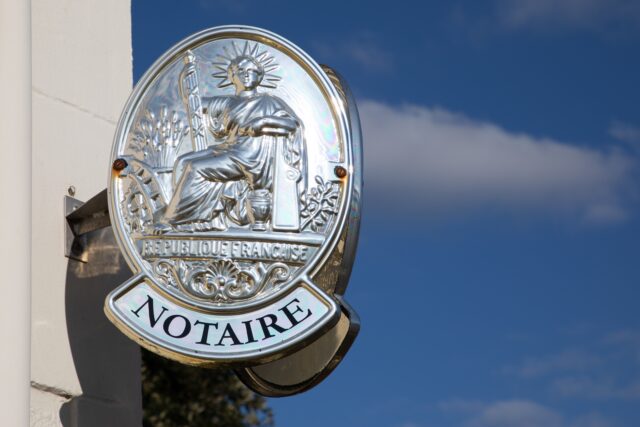
The French buying process is different to the UK system. Luckily, it’s very safe, well-regulated and buyers are protected. In fact, possibly the biggest difference is that the initial sales contract becomes legally binding early on in the process – so you won’t have to worry about being gazumped or the seller pulling out for no reason. French estate agents operate differently too – they primarily represent the seller – and all property sales must be overseen by a ‘notaire’, a neutral state official, not a personal solicitor (you can use a solicitor as well). Failing to recognise the differences between different countries’ systems can leave buyers without the professional guidance they need.
2. Don’t sign too quickly
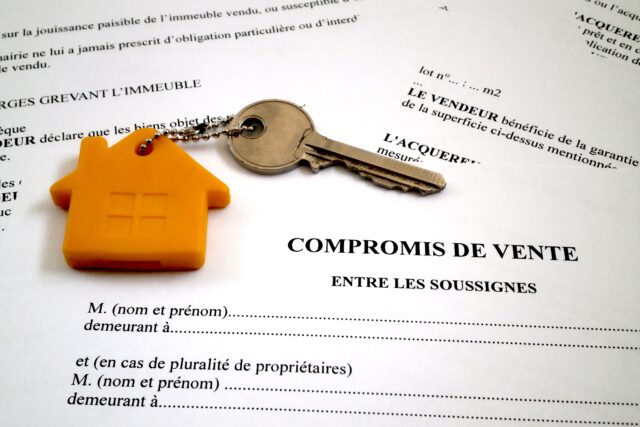
The ‘compromis de vente’ (initial sales contract) is legally binding once the 10-day cooling-off period ends. Some overseas buyers sign it without fully understanding the clauses, restrictions or obligations, which can lead to losing their deposit if they later want to withdraw. Ideally you should have the contract translated and reviewed by an independent legal advisor before signing anything.
3. Don’t skip the survey
As surveys are optional in France, many buyers skip them to save time or money. However, older French properties may conceal costly structural issues. Sellers are obliged to provide a series of diagnostic reports – covering energy efficiency, asbestos, termites, lead, gas and electrical installations, natural and industrial risks, Radon and septic tanks – however, these are limited in scope and are not the same as a full structural survey. A survey can help avoid unexpected and expensive renovation surprises – and can be a useful tool when negotiating the price of a property.
4. Don’t underestimate the extra costs
It’s easy to focus on the sale price alone. However, in France the additional costs can add up. They include notaire’s fees (around 7-8% for older properties, including various administration costs and taxes as well as the fees themselves), agency commission and mortgage charges. Don’t forget to budget for insurance and property taxes too.
5. Don’t misjudge renovation projects
Many buyers fall in love with romantic ruins and are overly optimistic about how much it will cost to renovate – and how long it will take. Seek professional advice at the outset so you don’t risk overextending yourself financially – half-finished renovation projects for sale ae often the result of poor calculations. Note too that labour availability varies from place to place – and good artisans will be booked up a long time in advance. Language barriers make liaising with contractors a challenge and managing it all from a distance if you’re not living on-site or in France can be a headache. Some buyers also assume they’ll get planning permission for conversions, extensions or pools, only to find they can’t. Checking with the local mairie and working with renovation and building specialists is essential.
6. Don’t just fall in love with a holiday hotspot
Who hasn’t been seduced by France while on holiday. The sun is shining, the wine is flowing, the food is delicious and the setting takes your breath away. And indeed, that location may be the place you go on to buy a property in and live happily ever after. However, ignoring practical factors makes it more of a risk. So don’t overlook issues like year-round climate, accessibility, public transport, local services, amenities and medical facilities, broadband quality and other things that will affect your daily life. Some places, especially tourist locations, are wonderfully lively in summer but extremely quiet out-of-season. Visiting at different times of the year helps avoid disappointment later.
7. Don’t ignore inheritance implications
Unlike in the UK, French inheritance law doesn’t work on pure freedom of choice – you can’t just leave everything to whoever you wish, you must leave a portion of your estate to ‘reserved heirs’, typically children. In addition, tax rates vary for different beneficiaries, with non-blood relatives such as stepchildren paying particularly high rates. There are various property ownership structures (eg ‘tontine’ or ‘SCI’) that could help, along with different marital regimes (another difference between France and the UK). Seek advice from a cross-border tax and estate planning specialist before you buy a French property.
8. Don’t leave currency planning until the last minute
Fluctuating exchange rates can change the true cost of a property by thousands. Buyers who don’t lock in rates or use specialist currency services may face last-minute shortfalls. Similarly, some fail to secure French mortgage approval early enough, putting their purchase at risk.

9. Don’t go too big!
It can be a welcome surprise to see what you can afford in France – including bigger houses on large plots of land. Space to host the whole family and lots of friends! Room for a veggie plot, workshop or swimming pool. Perhaps even your own fields and woodland. But think twice and make sure you really need all that space. Extra rooms to clean and heat – plus bigger properties generally come with bigger property taxes. Lots of land to look after – all that grass to mow and hedges to cut. If it’s still the dream, then fantastic, but maybe a smaller, more manageable home would be a better fit.
10. Don’t be too isolated
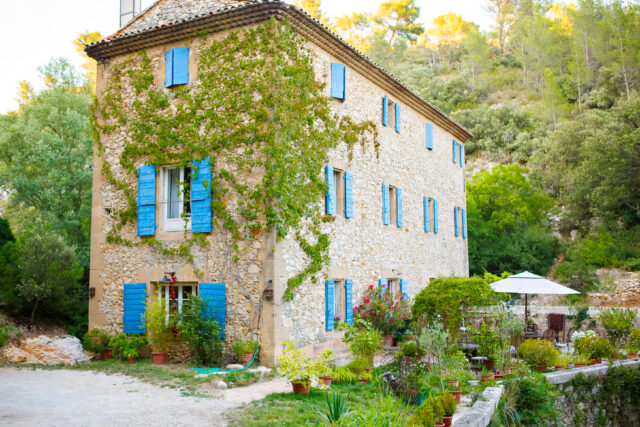
Similarly, you may be seduced by all the space around you – a retreat far away from the madding crowds. Country views as far as you can see, peace and tranquillity, no traffic or industry, just the sound of birds in the trees. Who wouldn’t want that? Well… are you sure you’ll be happy to drive everywhere, even for your morning baguette? Will it be ok that you’re not close to a doctor’s surgery or hospital, restaurants and bars, supermarkets, theatre, schools and so on. Thinking carefully about your location in terms of proximity to a city, town or village, or if you really do want a very rural setting, is as important as the location within France.

Conclusion: Don’t miss the French Property Exhibition!
By avoiding these common mistakes and taking time for thorough research and professional guidance, you can enjoy a successful property purchase in France. For advice on all these issues and more, come along and see the exhibitors in London in January.
The French Property Exhibition runs from 24-25 January 2026 at the Novotel London West. Register for free entry here: The French Property Exhibition, London 2026 Tickets, Multiple Dates | Eventbrite
Lead photo credit : Shutterstock
Share to: Facebook Twitter LinkedIn Email
More in advice, buying in france, Exhibition, moving to france, property
Related Articles


By Karen Tait
Leave a reply
Your email address will not be published. Required fields are marked *