Tours, Loire Valley: French Property Location Guide
Property
Sarah Daly discovers the cultural, historical, architectural and culinary secrets of this city that lies at the heart of the Loire Valley…
My first visit to Tours was at the age of 14. M I’d never left Britain before this school exchange to the Loire Valley, and my penfriend’s father had a flat in the city. With its little wooden kitchen table tucked under a gable at the top of a 19th-century building, and its view over neighbouring rooftops, I found it impossibly romantic and quintessentially French: a million miles away from the suburban English Midlands I was familiar with.
Fast-forward too many years to dwell on, and I think we picked the wettest week of the whole year to revisit the city. Given that it is on average drier than the UK, and warmer by a few degrees, as well as sunnier for most of the year, this felt like quite an achievement.
CASTLE COUNTRY
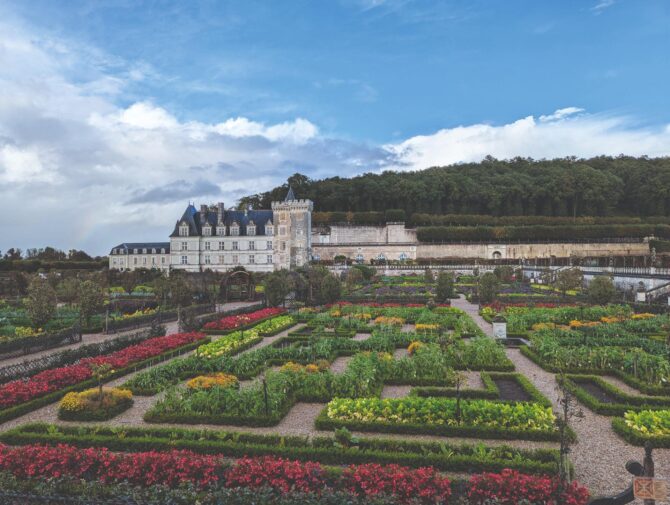
Tours is at the heart of the Loire Valley, surrounded by the spectacular châteaux that the area is famed for. If you’re going to choose somewhere to hide from the rain, there are worse places than the beautiful Château de Villandry just outside the city. It’s known for its formal gardens, which are exquisite and provide year-round interest. The castle interiors are every bit as worthy of note. Period room settings include grand dining halls (complete with a fountain), elegant salons and a nursery.
This was the last of the big Renaissance castles to be built, but it was transformed by new owners in the 18th century. In 1906, a Spanish-American couple bought it, amassing a huge collection of artworks, restoring the buildings and opening it to the public. They even installed a 15th-century Islamic ceiling imported from Andalucia. Happily, the rain cleared long enough for us to explore the grounds.
A team of 10 gardeners manages the two-and-a-half acres of formal gardens, including the impressive kitchen garden and the additional 15 acres of land surrounding the château. It doesn’t seem nearly enough to achieve such intensely manicured and elegant results.
The city of Tours is situated between the Loire and the Cher rivers. Before we headed out for an evening meal, we boarded a sailboat and meandered along the Loire for a sunset apéro. After the earlier torrential downpours, the river felt magical in the pearly evening light and our guide, boatbuilder Clément Sirge, is an expert on its ecology, history and communities. The modern boats are based on traditional models that plied the river, transporting goods over long distances or allowing locals to fish on or cross the river.
SAILING DOWNSTREAM
Sheena Dignam
In a much lazier experience than theirs, we sampled a crisp Chenin and a pâté made from a catfish from the river while learning about the troglodyte dwellings passing by. First inhabited by Neanderthals, some are still lived in today. As we watched a kingfisher dart past, the river felt a world away from the nearby city.
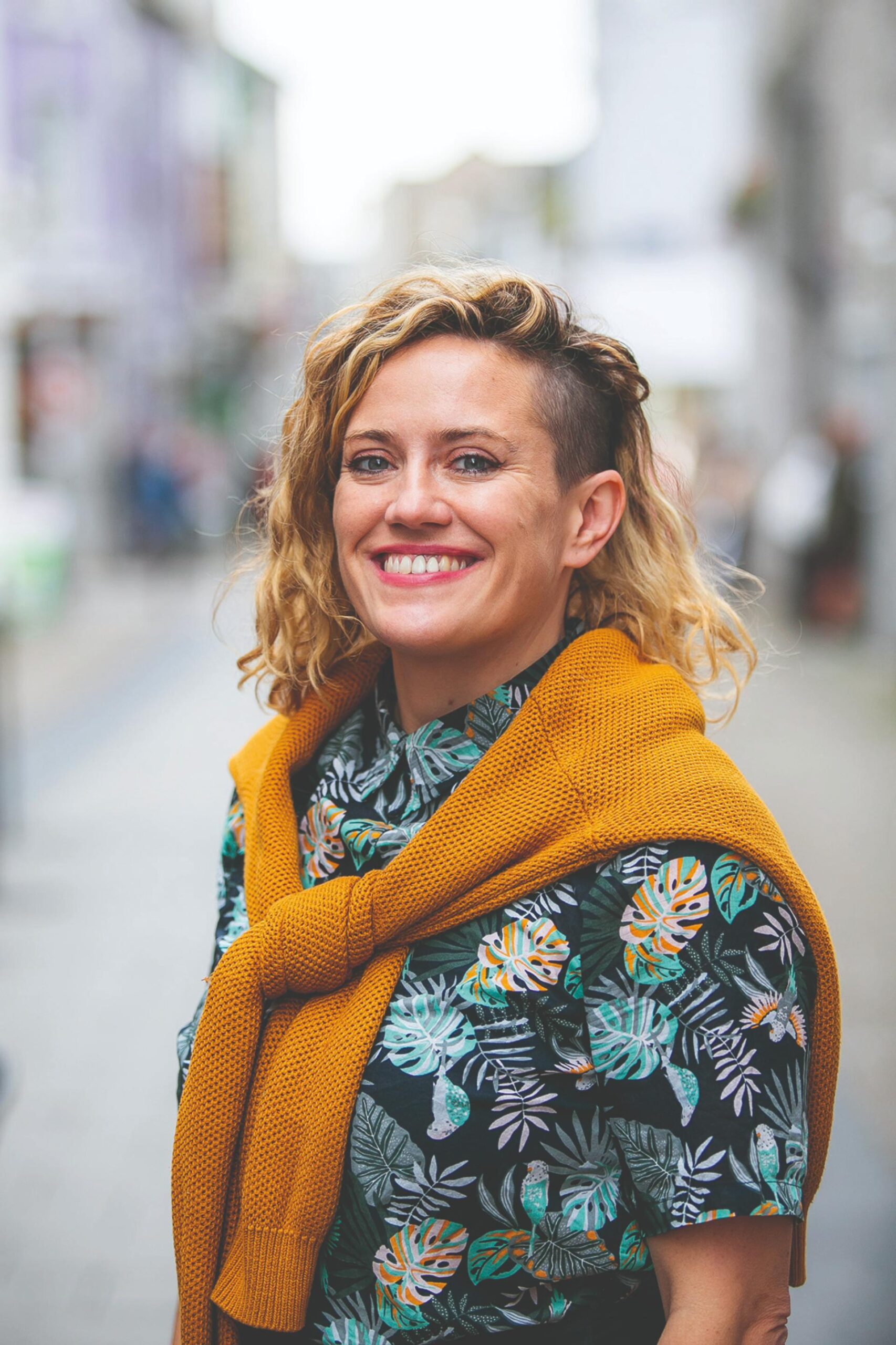
Sheena Dignam is originally from Wicklow but grew up in Tours. “When I was eight, my parents planned to spend two years in France before we moved to Spain and then Italy. They chose this area because it has a reputation for the most neutral French accent, but they fell in love with the lifestyle here, so we stayed.” Sheena studied culinary arts and wine in Tours and, as an adult, has travelled to Ireland, Scotland and the Reunion Islands.
“I’ve always been fascinated by the French connection to food,” she tells me. “I had adoptive French grandparents in the village we moved to who were real hunter-gatherers. It was fascinating to see how they prepared their meals and were so close to the land and the food it provided.”
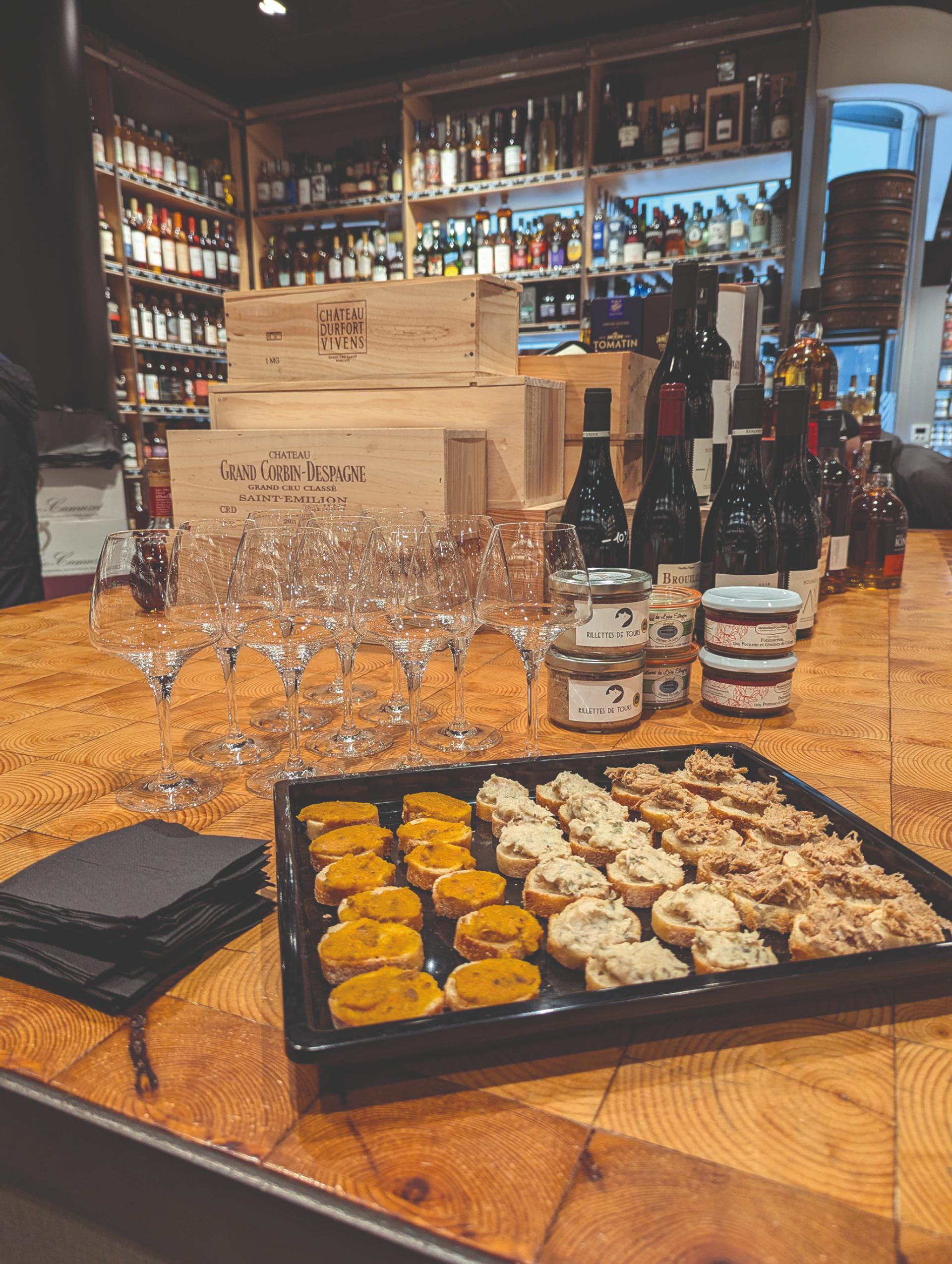
Eleven years ago, she used her experience to set up food tours in Galway City to celebrate local produce, but says Sheena: “Tours was always close to my heart and I kept coming back, so two years ago I launched Food Tours in Tours (foodtoursintours.com).” We set out on a damp morning for an extremely convivial food tour. It began in Place Plumereau, a beautiful medieval square of timber-framed buildings packed with cafés and restaurants. Many of the car parks have been moved underground, leaving a much more pedestrian-friendly centre. After sampling the famous nougat de Tours – a cake of frangipane and apricot jam and apparently a favourite of Leonardo da Vinci, who lived and died in nearby Amboise we headed for Les Halles. This covered market brings together around 40 producers of everything from cheese and wine to meat, fish and chocolate. Having tasted some delicious cheeses, we move on to exceptional patés paired beautifully with a local wine. “This area is all about the terroir, with a really rich and diverse food heritage. Our tours really help people to connect with that,” says Sheena.
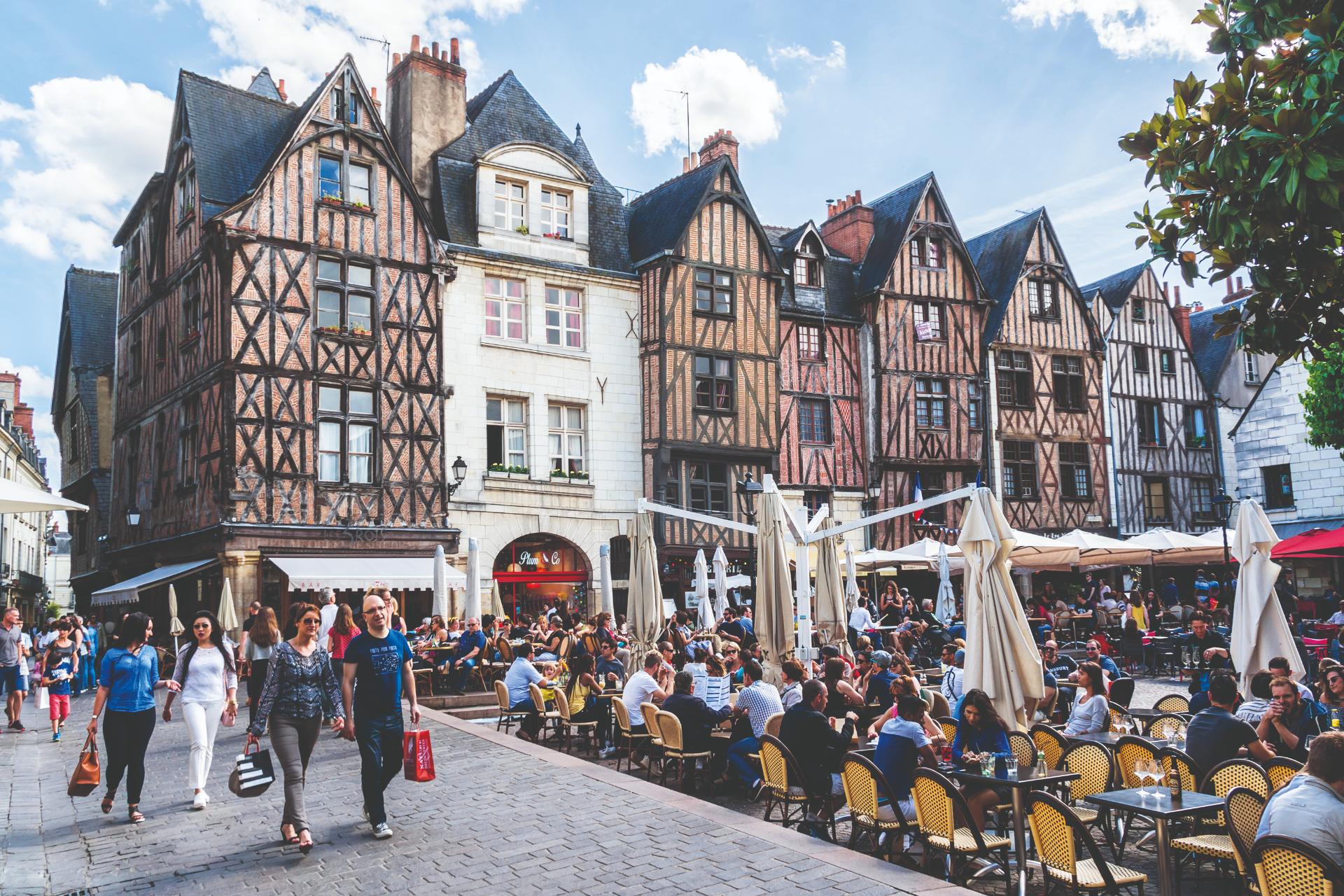
Tours shutterstock
OPENING A BUSINESS
Her advice for people planning to set up their own business in France? “There can be a lot of red tape and paperwork to navigate and, even if you speak fluent French, it’s like another language. But a lot can now be done online and there are forums offering support. It was worth it though. Tours is culturally rich, with amazing food and great markets.”
Olivia Meynard is an estate agent at Plessis Immobilier based in the city. “This is a really dynamic place,” she tells me. “With the cobbled streets of Vieux Tours, the markets of Les Halles and beautiful parks, you have all the advantages of a city on a very human scale. We’re an hour from Paris by TGV and only two-and-a-half hours from the west coast, yet we’re surrounded by countryside, all of which is very attractive to buyers. Traffic jams are rare and the tram makes travelling very easy.”
MOVING TO TOURS
Olivia tells me that traditional buildings in stone and slate are often favoured by those moving to the area from overseas. “They also prefer the towns and villages around rather than the city centre,” she says. “For €350,000, you can get a three-bedroom house in good condition with a garden.
“We’ve seen prices rise during the pandemic and then drop owing to high interest rates, but we’re starting to see that stabilise this year. I’d advise anyone thinking of buying a property to fix a realistic budget and then really think about what you want -land and a swimming pool for instance and how close you want to be to the city or amenities.”
Motorbikes have never been my transport of choice, but we ventured out on a trip on very cool vintage one with a sidecar. With an accomplished rider as guide, it really brought the area to life – despite the by now torrential rain. Heading through Tours we learned all about the city, founded on its present site by the Romans, and passed through acres of vineyards before reaching La Cave de Vouvray.
This AOC wine is made using the Chenin Blanc grape alone. Once again it is the terroir that provides the complexity. Combining techniques that date back to the Middle Ages with grapes from a cooperative of local growers, raised on land that includes flint, limestone and clay, combined with a variable climate creates wines that range from sweet to dry, in still and sparkling varieties. A taste test proved the end result can be subtle and delicious.
ROYAL CREDENTIALS
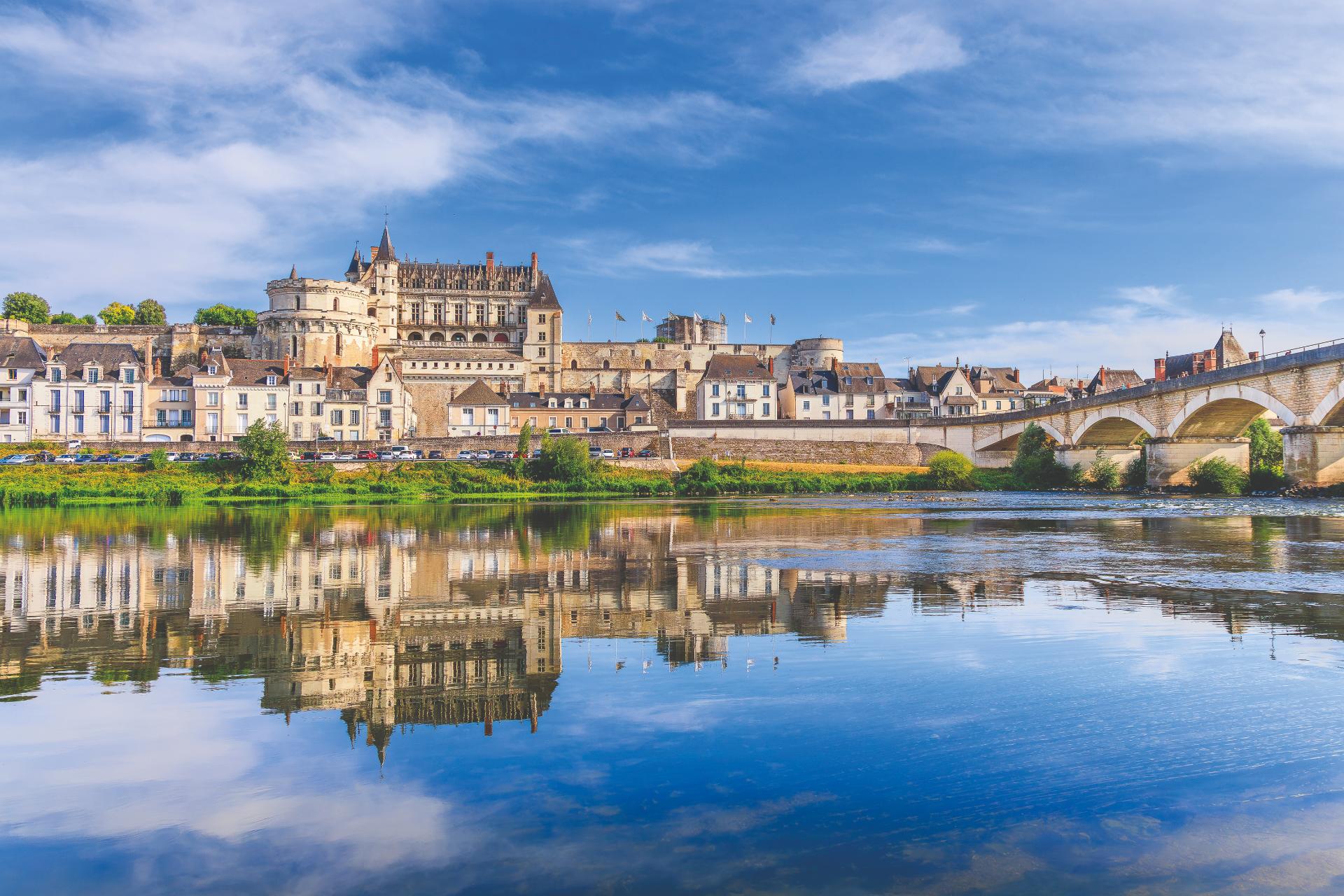
Amboise shutterstock
The tiny town of Amboise, half an hour’s drive along the Loire from Tours, packs a mightily impressive punch. The Renaissance palace of the kings dominates the skyline and commands the Unesco-listed landscapes surrounding it. It also houses, somewhat surprisingly, Leonardo da Vinci’s burial chapel. This has recently reopened following extensive restoration and its intricate stonework now gleams once more.
Home to powerful kings, and queens, the château’s history is brought to life with an augmented reality tablet, that offers detailed reconstructions of rooms and views and easily digestible chunks of its fascinating history.
TOURS HOSPITALITY
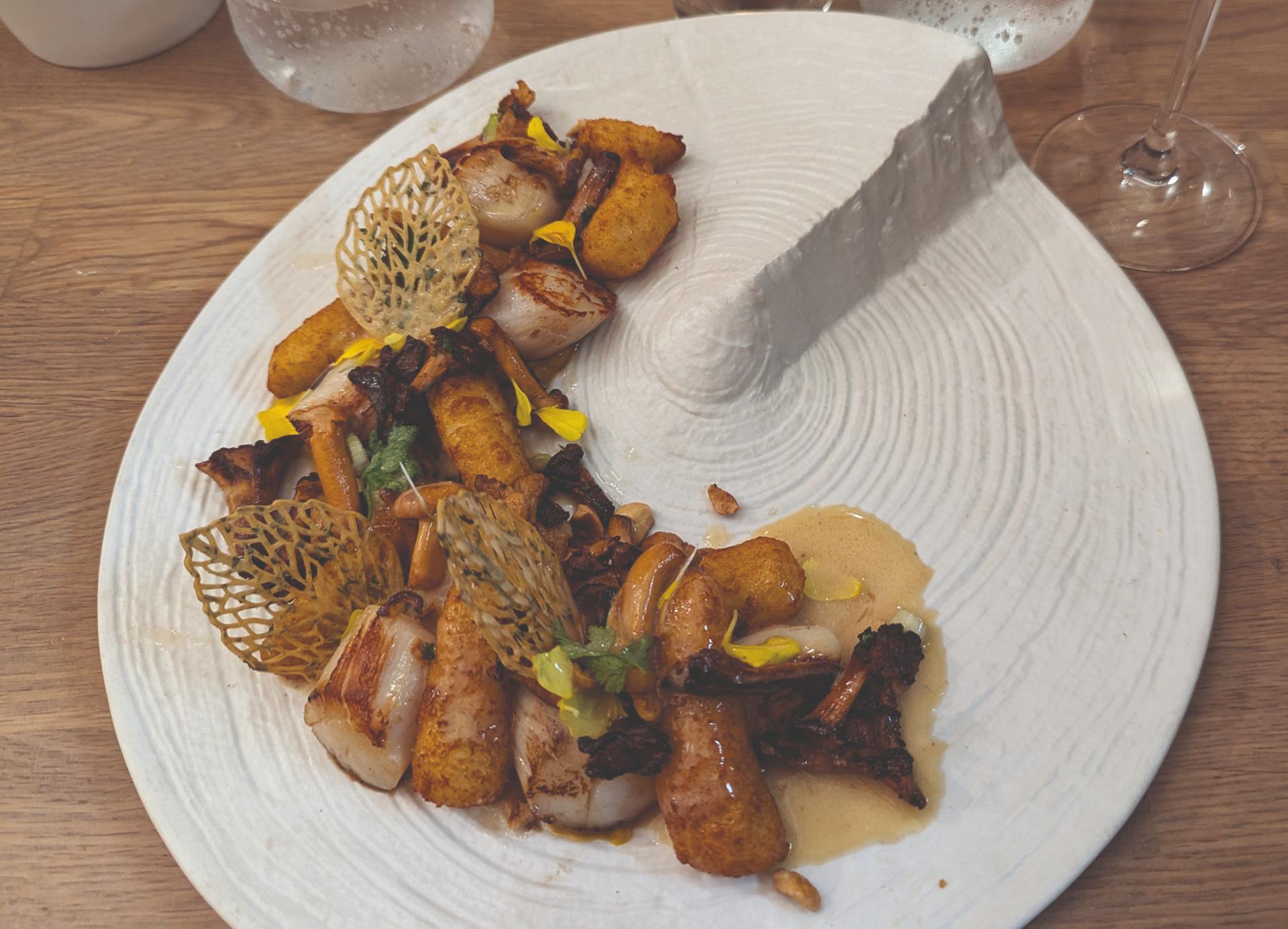
Given the city’s culinary reputation, it would be rude not to make the most of it by visiting as many restaurants as possible during our stay. At La Maison des Halles, opposite the covered market, I enjoyed scallops prepared with local wild mushrooms and butternut squash, followed by a light and refreshing fruit dessert. Lunch at La Petite Cuisine offered a very different atmosphere, with an open kitchen but equally excellent food. I followed a beautifully spiced pumpkin soup with a Thai-inspired chicken dish. La Deuvalière is housed in a fabulous 16th-century building and the highlight of the meal, after the excellent fish with samphire and seasonal veg, was the yuzu lemon meringue tart.
In nearby Amboise, a hearty meal of local produce Chez Bruno, finishing with delicious cheeses was a great end to our château visit. We spent the first night of our stay at Hotel de Cygne. This small boutique hotel has bags of character and is in the heart of the old town. Across the river is the very comfortable four-star Château Belmont Hotel, accessible on foot or by tram from the centre. Tours is still able to work its magic on me. The distinctive architecture, gentle scenery and exquisite local food and drink really do represent what is best about this country -even when it rains.
The unique mix of legal, financial and tax advice along with in-depth location guides, inspiring real life stories, the best properties on the market, entertaining regular pages and the latest property news and market reports makes French Property News magazine a must-buy publication for anyone serious about buying and owning a property in France.

Share to: Facebook Twitter LinkedIn Email
More in Loire Valley, tours, where to live
Related Articles
By Sarah Daly
Leave a reply
Your email address will not be published. Required fields are marked *