
How to Buy Well in France: Due Diligence, Surveys and Planning Checks
Expert FAQs
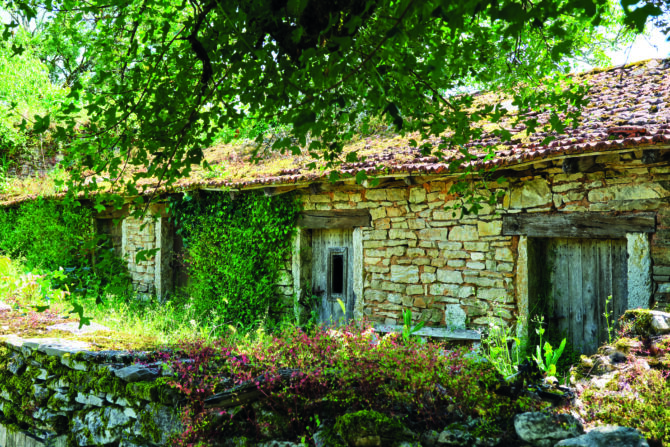
Stripping a property back to the facts, and having a clear vision of what those facts could become, are the key to a successful purchase, says planning expert Tom Easdown…
For many overseas buyers, purchasing a home in France begins with a vision – drinks on a sunny terrace, stone walls steeped in history, or the romance of transforming a rural farmhouse into a family retreat. Yet between dream and reality lies a vital, often overlooked process: due diligence.
In nearly every property purchase in the world the principle of ‘caveat emptor’ (buyer beware) exists – that it is the buyer’s responsibility to determine if the property is fit for their purpose.
In the UK, US and many other countries, whole industries exist to protect the purchaser through legal assistance (real estate solicitors or attorneys) and professional assessments (building inspectors and surveyors). In France, however, the emphasis remains on the individual buyer to determine whether a property is truly the right one for them.
BUYING WELL
The key to buying well in France lies in combining rigorous investigation with creative foresight, combining due diligence with visioning to see the reality of a property today and the possibilities it holds for the future. Buying property in France is highly regulated and one of the safest transaction processes in the world but that doesn’t mean it isn’t without its quirks.
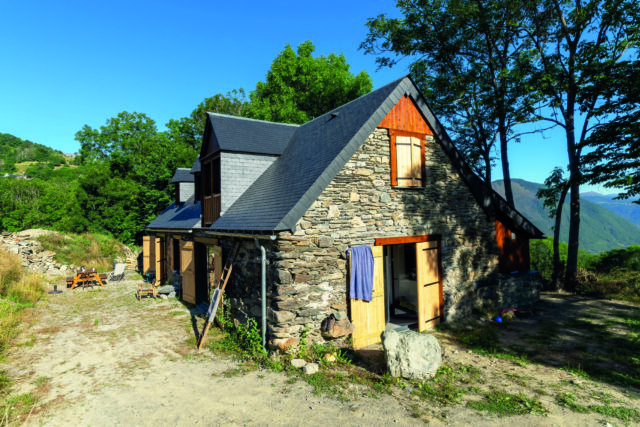
For many international buyers, getting a building survey is the norm but in France that isn’t the case and, in fact, is a relatively underused service.
What is provided within the sales process is a set of diagnostic reports, which highlight issues associated with thermal performance, electrical system compliance, drainage system compliance, flood risk, subsidence risk, the presence of lead, asbestos and insects, and also gas installations if applicable.
While these reports are useful, they rarely paint the whole picture. For example, a subsidence report may indicat a risk but not whether the property has been affected. A termite report may confirm pests but not whether the structure has been damaged. Commissioning a survey, especially if the building is old or you have significant plans for it, can provide peace of mind and allow you to limit the potential surprises that could affect budgets and timelines.
ZONE IN
Alongside understanding the physical condition of the property, it is also important to understand the planning and legal position. The notaire, during the period between signing of the compromis de vente and the signing of the acte de vente, will ensure that the property title is clear and if there are any issues of rights of way, servitude or charges on the property.
What often gets overlooked, however, is the property’s planning zoning and any future development plans nearby. Once again, it is the purchaser’s responsibility to ensure the planning zoning allows for their development plans and to identify and consider any proposed developments in the area.
A picturesque barn may seem ripe for conversion but if local planning rules prohibit the change of use, the dream can quickly collapse. It is also important to understand if the property is close to a historic monument or is itself protected as this can affect what future development is possible. Financial due diligence should also not be overlooked.
Renovation costs in France vary widely, and buyers often underestimate the scale of investment required to bring older properties up to modern standards. Only recently we did some work on a small château where the costs of improving the thermal performance was more than €200,000; fortunately, our clients had engaged us to undertake pre-purchase reviews and this figure was in the budget, but if it had come as a surprise it could have led to difficult decisions and compromise.
BARE TRUTHS
In essence, due diligence is about stripping away the layers of romance and marketing to reveal the bare truth of a property. Done well, it empowers buyers to make informed decisions, avoid any unpleasant surprises and, ultimately, approach their French property journey with confidence. If due diligence strips a property back to the facts, visioning is about imagining what those facts could become. It means looking past the peeling wallpaper, hay-filled barn or outdated layouts and recognising the potential hidden in a building’s bones.
French property offers so much opportunity and potential but the imagination to see what a property could become must remain grounded in reality: the reality of a purchaser’s budget, the reality of planning regulation and the structural reality of the building. In the end visioning is not about indulging a fantasy but about unlocking an opportunity; when it is combined and interlinked with rigorous due diligence, it allows buyers to see a neglected property not for its flaws but for the real home it could one day become.
Turning due diligence and visioning into action requires structure. The most successful buyers in France follow a clear process, supported by the right team.
Assemble your team early: Estate agents are helpful for finding properties but their role is to sell. Independent professionals, such as architects, surveyors or renovation consultants, give unbiased insight. Legal help in your own language can also be a helpful service to investigate.
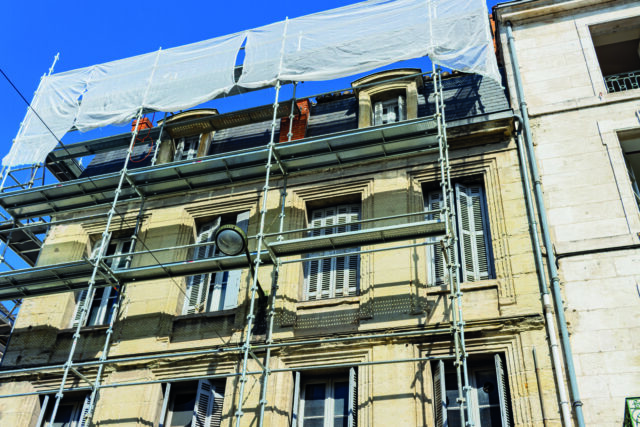
Go beyond the legally required diagnostic report: A full structural survey and renovation cost estimate provide facts that enable confident decisions.
Investigate planning and permissions: Visit the local mairie (or appoint someone to do it for you) to confirm the property’s zoning and if there are due to be any changes. Ask about recent planning approvals near to the property. Ensure that your vision is feasible in regulatory terms.
Build a realistic budget: Work through your vision to build a realistic plan for the property, combine this with the information gathered in the survey to develop a budget that includes professional fees and a contingency. Trimming a budget before work commences is a lot easier than trying to do it halfway through because an unknown or unforeseen issue arises.
Take your time: French property purchases can feel slow compared to other countries, but this pace is an advantage. Use it to gather information, ask the right questions and refine your vision.
THE RIGHT BALANCE
Buying property in France is often described as a dream, but in truth it is a decision that demands both head and heart. It comes down to balance, focusing only on the technical risks overlooking the opportunities; relying solely on the romance can lead to disappointment.
The right due diligence equips the buyer with clarity; merging this with the right vision allows for the dream of a barn conversion or a stylish pied-a-terre to become a reality. One without the other leaves the buyer feeling exposed: facts without imagination can feel limiting, but imagination without facts can be ruinous.
For buyers willing to pair rigour with imagination, France offers something rare: the chance to not only acquire stones and mortar but to create a life within them that reflects both ambition and authenticity.
Tom Easdown is an Architect and Managing Director at French Plans
Tel: 0033 (0)6 75 05 36 86
frenchplans.com
The unique mix of legal, financial and tax advice along with in-depth location guides, inspiring real life stories, the best properties on the market, entertaining regular pages and the latest property news and market reports makes French Property News magazine a must-buy publication for anyone serious about buying and owning a property in France.

Lead photo credit : Shutterstock
Share to: Facebook Twitter LinkedIn Email
More in building, Planning Permission, Renovating, renovation
Related Articles


By Tom Easdown
Leave a reply
Your email address will not be published. Required fields are marked *