
Planning makes perfect: An overview of planning permission in France

Planning a building or renovation project in France? Tom Easdown offers an overview of the country’s planning process, including the different permits you may need…
Over the past 15 years, at French Plans, we have observed a significant shift in the attitude of French authorities towards planning applications and permissions. Gone are the days when a casual chat with the maire over a glass of wine could move a project forward. Today, most communes have, or are in the process of developing, a local development plan (Plan Local d’Urbanisme or PLU). Regulations have become increasingly complex, with different policies applying to different planning zones.
Applications that were once handled at the local level are now typically reviewed by planning officers in the departmental planning authority (Direction Départementale des Territoires or DDT), often with input from conservation officers, environmental authorities and utility providers. Since virtually any change to the external appearance of a property in France requires some form of permit, it’s essential to understand how planning regulations might affect your project.
Most developments fall into one of four main planning application types, with each one being suited to a different size or complexity of project:
- Certificat d’urbanisme (CU): Outline application
- Déclaration préalable (DP): Minor works application
- Permis de construire maison individuelle (PCMI): Major application for homeowners
- Permis de construire (PC): Major application for business owners or multiple dwellings
NATIONAL FRAMEWORK
Planning policy in France is governed by the Code de l’urbanisme, the national legislation that provides a framework for local planning regulations. While each commune can draft its own planning policy, those that haven’t yet done so fall under Le règlement national d’urbanisme (RNU). Where a PLU has been adopted, it may be a joint PLU created by a group of communes forming a communauté de communes, or an individual PLU developed by a single commune. It is usual for these documents to be reviewed every 10 years.
In addition to the PLU, other regulatory layers may apply, such as plans de prévention des risques (PPR) for areas at risk (e.g. flooding or landslides), and regulations from the Architectes des Bâtiments de France (ABF) for protected zones or buildings.
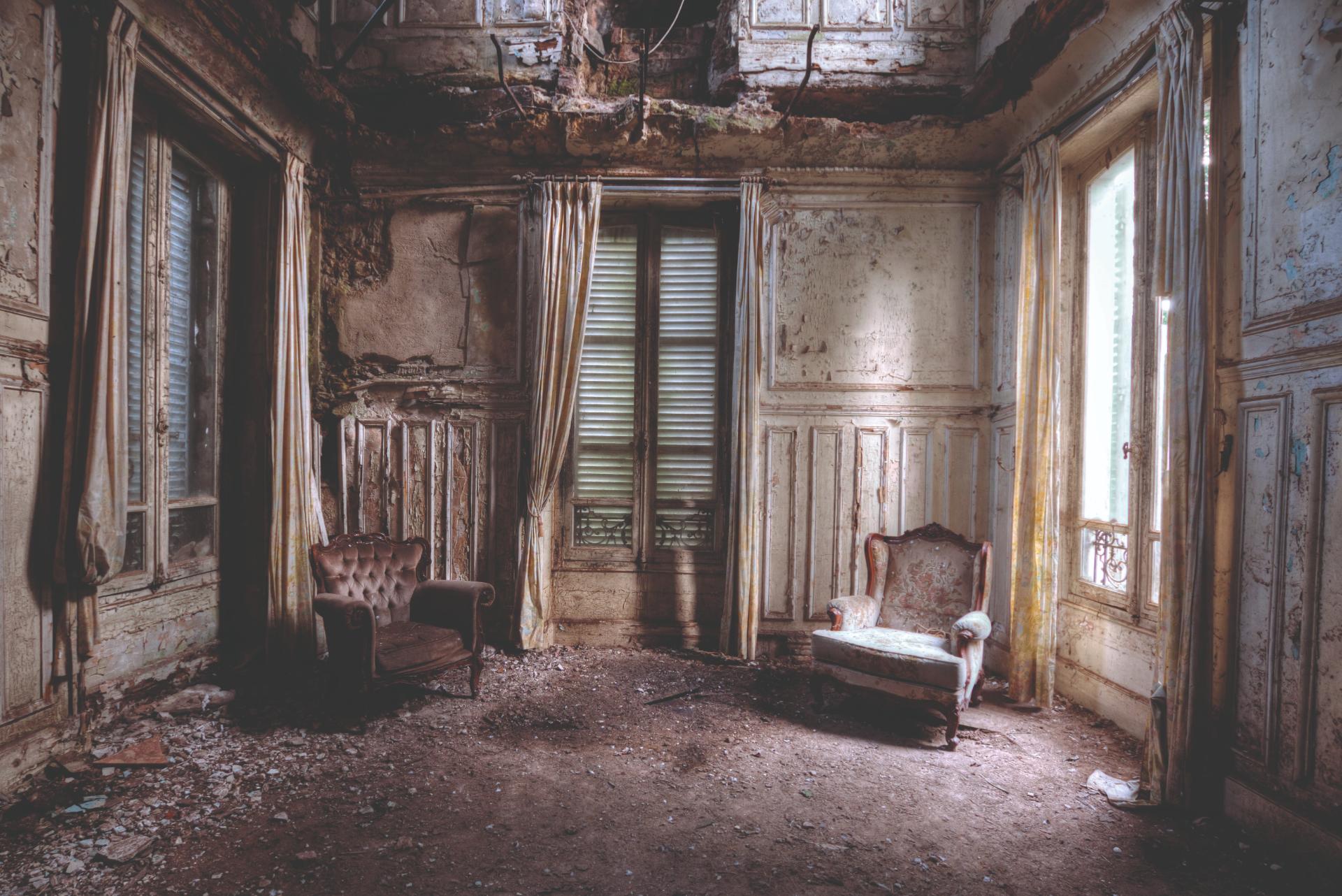
Large projects like a complete renovation need a full planning application, Photo: Shutterstock
A FEASIBLE PROJECT?
A common initial question from our clients is whether their intended project is feasible. If the property lies within a commune with a detailed PLU, we can often determine this from available documentation. If not, we usually recommend that they submit a certificat d’urbanisme application.
There are two types of CU:
- CUa (informational): Offers basic details on potential risks, zoning and local planning taxes, but isn’t very useful for assessing project feasibility.
- CUb (operational): Provides a legally binding opinion on whether a specific type of development is feasible. This doesn’t grant permission to build, but it gives a valuable indication of whether the proposed project is viable.
Once a positive response to the CU has been received, it’s time to prepare and submit the relevant formal application for the planned works. If the project is minor, such as a modest extension, a DP may be sufficient. This simplified application typically applies to:
- Modifications under 20m² of floor area (surface de plancher) or footprint (emprise au sol)
- Up to 40m² in urbanised areas, depending on local rules.
A DP has a one-month review period. There may be no response issued, as a DP application is generally a non-opposition application. Silence on the part of the authorities is confirmation of approval. However, in protected zones or near historic monuments, the decision period is extended by a month and the authorities will always issue an approval notice. While it is common for no approval to be issued, we always recommend requesting written confirmation of approval to avoid ambiguity later on. There are plenty of instances where a missing approval notice can hold up a property sale, for example.
PLANNING APPLICATION
For larger projects, such as new homes, a full planning application (PCMI) is required. This involves submitting detailed architectural plans and documents. The standard decision period is two months, but again this can be extended if additional documentation is requested, or if the proposed site is in a protected zone. Interestingly, if the application is completely ignored – no requests, no refusals and no notifications of extension – a tacit approval is granted, even if the project doesn’t meet policy. This is rare, but we see a few each year.
For more complex projects – such as multiple houses or converting a château into a wedding venue – a PC application is required. While more demanding in scope, it follows the same timelines and extension rules as the PCМІ.
Note that a CU is not a prerequisite for submitting a DP, PCMI or PC. However, it often helps set expectations and clarify feasibility. Objection is one area where French planning policy differs to other countries’ processes. In the UK, the opportunity to object to an application comes before the decision is made and objections may affect the outcome. In France, the opportunity to object comes after approval and an objection may only be made by neighbours and the prefecture.
Another differing aspect to French planning law is that if a project results in more than 150m² of habitable space, a French-registered architect must submit the application. Additionally, unlike in the UK, there is no ‘permitted development’ rights in France. Virtually all exterior changes – including small extensions, attic conversions, pergolas, or even changing shutter colours – require permission. Any new construction – residential, commercial, or industrial -requires a permit.
While extensions under 5m² may not require permission, any visible change to a building’s exterior almost always does, so in policy terms there is a conflict. Larger extensions are often subject to local limits, and some communes may restrict or prohibit them altogether.
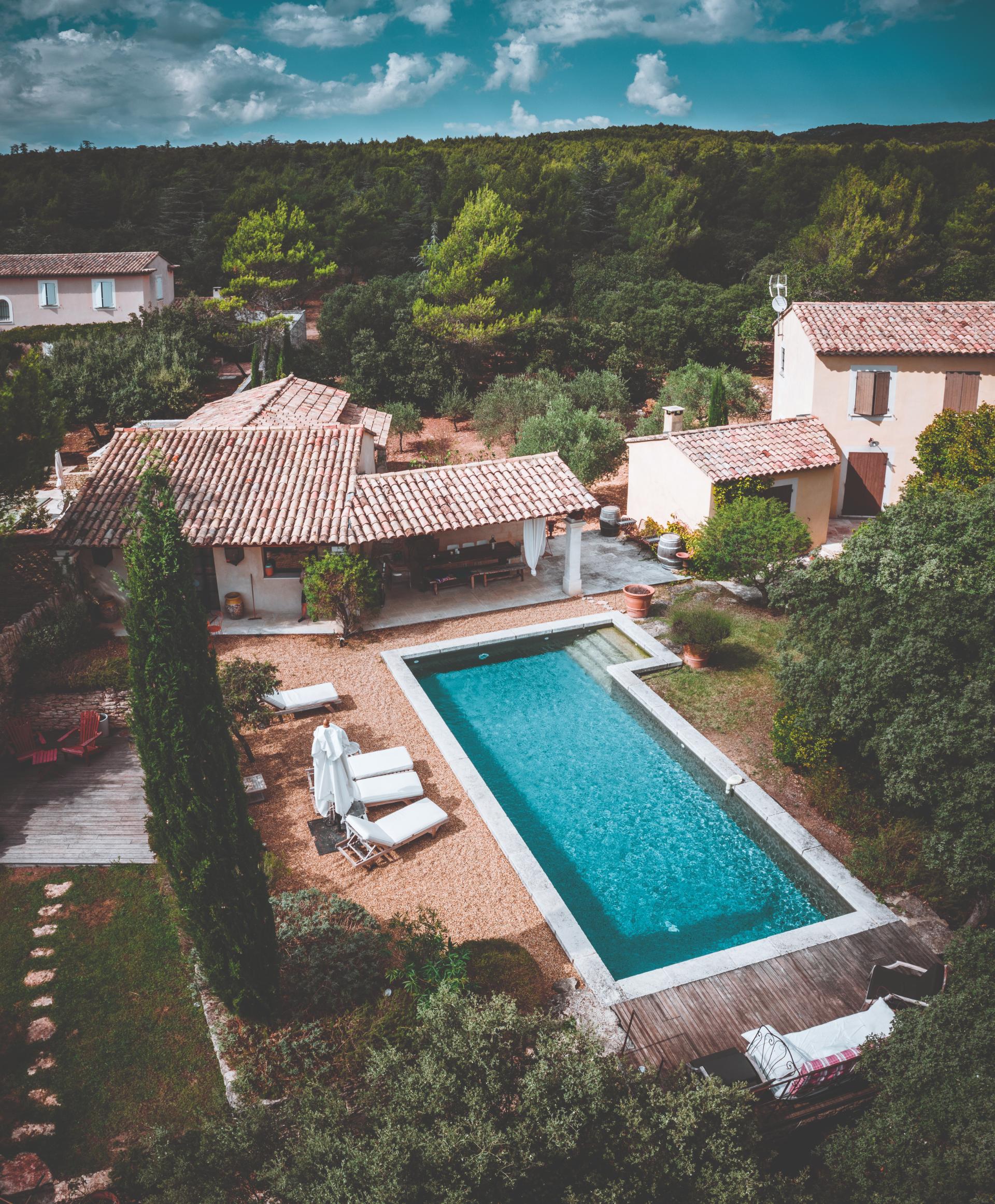
pools over 10m² require a permit, Photo: shutterstock
EXTERNAL CHANGES
If an attic already has access and openings, no new floor space is created, so permission might not be required. However, installing Velux or dormer windows always requires approval due to external appearance change. Any conversion from non-habitable (e.g. agricultural) use to living space requires permission. This is both due to change in use and possible external modifications.
Pools over 10m² require a DP or PCMI depending on size. Temporary pools (in situ for less than three months a year) don’t need a permit. Some communes, especially in the southeast of France, currently have a moratorium on pools approvals due to the lack of water resources in the area. So its worthwhile doing some research before committing to a pool installation.
French planning policy can seem intimidating, but with the right information and guidance, it becomes more manageable. Understanding your property’s zoning, applicable planning regulations, and the nature of your proposed project will help you make informed decisions from the start. Involving a planning professional early – whether an architect, or a specialist consultant – can help identify potential obstacles to your project and address them before major time or money has been invested. Flexibility in design, informed by policy, often leads to a smoother and less stressful experience.
Tom Easdown is Managing Director at French Plans
Tel: 0033 (0)6 75 05 36 86
Looking for more like this?
Every issue of French Property News delivers in-depth regional buying guides, sound and trusted advice from leading experts, inspirational real life stories, renovation tales and lots of lovely properties to browse.

Lead photo credit : even changing shutter colours requires permission, Photo: shutterstock
Share to: Facebook Twitter LinkedIn Email
More in Planning Permission
Related Articles


By Tom Easdown
Leave a reply
Your email address will not be published. Required fields are marked *