
OnTrialVisa

Cultural Etiquette Guide for British Tourists: How to Avoid Common Mistakes Abroad
Even the most well-intentioned British tourists can accidentally cause raised eyebrows, uncomfortable silences, or outright offence abroad. Cultural faux pas happen to the best of us, but knowing the local customs can transform your holiday from awkward to awesome.
Before packing those Union Jack shorts (which, let’s be honest, should probably stay home anyway), brush up on these cultural essentials to avoid becoming ‘that British tourist’ everyone remembers for all the wrong reasons.
Visa Wisdom: Your First Cultural Respect
Respecting local immigration laws is your first cultural courtesy. Nothing says ‘unprepared visitor’ like turning up at borders without proper documentation. Most countries beyond Europe require specific entry permissions that vary wildly in application processes and requirements.
Japan, for example, requires completed visa applications well in advance for certain types of visits, while Thailand limits visa-free stays to 30 days when arriving by air. Vietnam requires a visa for nearly all foreign visitors, regardless of stay duration.
Requesting information on visa requirements through the official OntrailVisa website can prevent embarrassing border rejections and demonstrate respect for local governance before you even arrive. Many countries view visa violations as serious offences, not simply administrative oversights.
Table Manners: The Global Dining Minefield
Food etiquette varies dramatically worldwide, and British dining habits don’t always translate well.
In Japan, sticking chopsticks upright in rice resembles funeral rituals and causes genuine distress to locals. The proper position is to lay them across your bowl or on the provided rest. Additionally, slurping noodles shows appreciation in Japan but would cause horrified stares in British restaurants.
Middle Eastern and Indian cultures typically eat with the right hand only, as the left hand is traditionally associated with bathroom hygiene. Using your left hand to serve yourself or others can genuinely offend hosts.
In Thailand and China, leaving chopsticks or a fork in your mouth while contemplating life’s mysteries is considered vulgar. Similarly, finishing everything on your plate in China signals the host didn’t provide enough food, while in the UAE and Jordan, it suggests you’re still hungry.

Clothing Calamities: Dressing Appropriately
British summer clothing rarely translates well globally, particularly in conservative regions.
In Buddhist countries like Thailand and Myanmar, shorts and sleeveless tops are prohibited in temples. Visitors must cover their shoulders and knees, regardless of sweltering temperatures. Many temples keep scarves for improperly dressed tourists, but wearing appropriate clothing from the start shows cultural awareness.
In the UAE and Qatar, public dress codes remain conservative despite modernisation. Women should avoid tight clothing, short skirts, and revealing necklines in public spaces. Men wearing shorts in malls or restaurants might be refused entry in certain establishments.
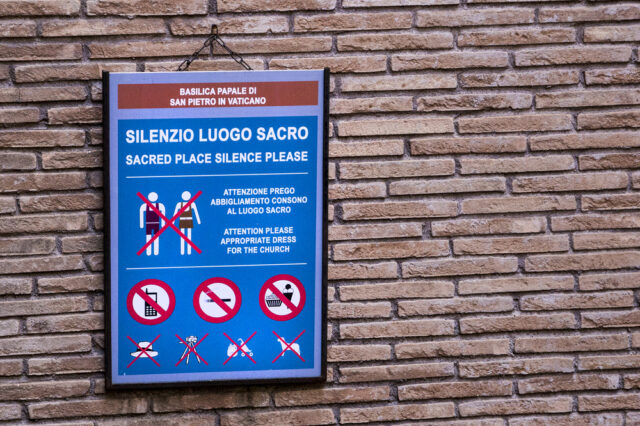
Vatican City enforces strict dress codes even for tourists, barring entry to those in revealing attire. Bare shoulders, shorts, and short skirts will leave you queuing for hours only to be turned away.
Gesture Gaffes: When Your Hands Get You in Trouble
Even seemingly innocent British gestures can translate to shocking insults abroad.
The thumbs-up signal, popular in Britain, is highly offensive in parts of the Middle East and West Africa, equivalent to raising the middle finger. In Greece and Turkey, the casual ‘palm-forward’ hand wave can be received as immensely insulting. Meanwhile, in Japan, the common Western gesture of beckoning someone with your index finger is considered rude and generally reserved for animals.
Pointing directly at people or objects is taboo across Southeast Asia and much of Africa. Instead, locals gesture with their whole hand or indicate directions with subtle chin movements.
Timing Troubles: When ‘British Punctuality’ Doesn’t Translate
British timekeeping expectations often clash dramatically with local concepts of time.
In Spain and Italy, arriving ‘on time’ for a dinner invitation means being 15-30 minutes late. Showing up exactly when specified appears overeager and might catch hosts mid-preparation.
Conversely, business meetings in Germany, Switzerland, and Japan demand precise punctuality. Arriving even five minutes late without explanation damages professional relationships and suggests carelessness.
In many Middle Eastern countries, meetings scheduled for specific times serve as approximate guidelines. Rushing hosts through pleasantries to ‘get down to business’ demonstrates poor cultural understanding and values efficiency over relationship-building.
Bargaining Blunders: Price Negotiation Around the World
Price haggling, unfamiliar to many Britons, follows complex cultural rules globally.
In Morocco’s souks, not bargaining actually confuses merchants, as negotiation represents a social ritual rather than just economic exchange. Starting at approximately 30% of the initial asking price is customary.
Conversely, attempting to bargain in Japanese shops causes confusion and embarrassment. Fixed pricing is standard, and negotiation attempts suggest disrespect for the established business model.
Thailand’s markets expect bargaining, but showing anger, frustration, or walking away too quickly violates the cultural expectation of a friendly, good-humoured exchange. The concept of ‘saving face’ means negotiations should remain pleasant regardless of the outcome.
Understanding cultural differences isn’t just about avoiding offence, it’s about enriching your travel experience through deeper connections with local people. Take time before departure to research specific etiquette for your destination, particularly regarding greetings, dining customs, and religious sites.
When in doubt, observe locals first, apologise genuinely for missteps, and approach differences with curiosity rather than judgment. Your willingness to respect local customs often matters more than perfect execution!
Make an enquiry
Leave your details below and someone will be in touch