
French Driving for Foreigners
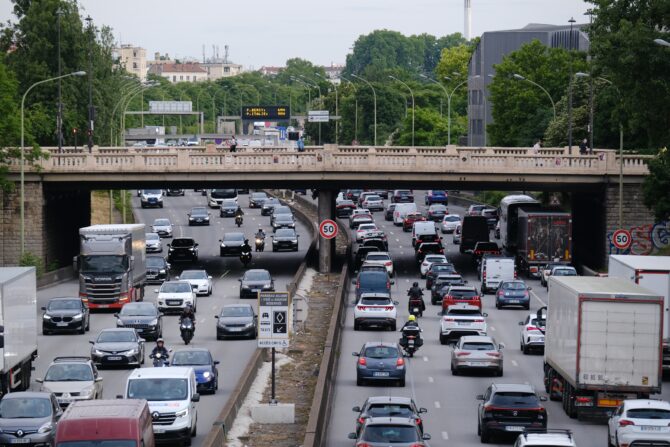

Driving in France is just like driving in the UK, but on the other side, right? If you know how to drive and you have passed your test in the UK, you have most likely got this, but there are a few hints and tips that can help.
Road signs
Brush up on their meanings because you do need to know and understand them. For instance, a cross tilted like a kiss means give way at the crossroads. I had been blithely driving through our hamlet blissfully unaware for months until my neighbour politely explained this to me after I whizzed past her one day.
All villages and urban areas are 50km or less, and it will be signed, similar to the 30mph law in the UK, so keep an eye out for them. There is also ‘cedez le passage’, which means ‘give way’. The RAC provide a useful, visual guide on all road signs, and you must brush up on your knowledge. Also, always remember to stop at a stop sign. In the UK, we often roll out if the road is clear; in France, it is advisable to always come to a complete stop.
Equipment Requirements
French law requires motorists to have a high-visibility reflective vest for each passenger and a warning triangle, both of which must be accessible from inside the vehicle. These items are intended to keep drivers safe in the event of a breakdown or accident, especially on busy roads. While other items often included in a European driving kit—such as headlamp beam deflectors, spare bulbs, or a first-aid kit—may not all be legally required in France, having a complete kit helps ensure you’re prepared, compliant, and able to drive with peace of mind.
A rather surprising French road rule to us Brits is that speed camera detectors are illegal in France and can result in strict punishments. So, when your SAT NAV ‘bings’ to alert you of an upcoming camera in the UK, this is illegal in France. You simply must be extra vigilant and adhere to the speed limits in place religiously.
Drink Driving Laws
In France, drink driving laws are stricter than in the UK. The legal blood-alcohol limit is 0.05%, but it drops to 0.02% for new drivers with under three years’ experience, and police routinely carry out random roadside breath tests. In the UK, the limit is 0.08%, with no lower national limit for new drivers; breath tests are common but are usually linked to a stop, incident, or suspicion. Penalties in both countries can include heavy fines, driving bans, and prison sentences.
Driving Licences
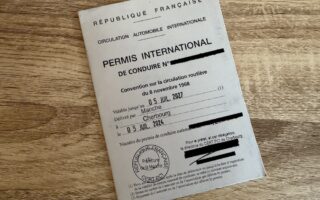
If your UK licence was issued before January 2021, it is valid in France until it expires. When it is due to expire, you can renew it via the Agence Nationale des Titres Sécurisés government website. It is a very straightforward process – although it does take time. Also, driving points are deducted in France, rather than added on; a clean French licence has 12 points, and you lose points depending on the severity of the offence.
Read more about the driving points system in France here.
Carte Grise
When making France your permanent home, you have one month from your official arrival date to obtain your Carte Grise – a mandatory registration certificate – for your vehicle if it is not already registered in France. You need to have specific paperwork scanned and ready to go, as this application can be made online via the ANTS website. If you have converted or adapted your vehicle in any way which deviates from the manufacturer’s specification, then prepare for a long, complicated process with an uncertain outcome.
Read more about Carte Grises here.
Overall, driving in France is perfectly manageable for UK drivers once you understand a few key differences and prepare properly. Taking the time to familiarise yourself with road signs, legal requirements, and local driving laws will not only keep you on the right side of the law but also make your journeys safer and more enjoyable. With a little planning and awareness, you’ll soon feel confident behind the wheel and free to enjoy everything France has to offer, bonne route!
Share to: Facebook Twitter LinkedIn Email
More in Carte grise, driving abroad, driving in france, driving license, french driving rules, UK driving
Related Articles


By Carol Paylor
Leave a reply
Your email address will not be published. Required fields are marked *