
Guide to State Benefits in France: Part 1

Supporting families is an intrinsic part of life in France, on both a personal and governmental level, and this includes extensive state benefits – in part one of this two-part series Catharine Higginson explains some of the key child benefits…
When I’m chatting to people about their reasons for moving to France, three words always stand out and those are ‘quality of life’. Talk to people with children and an extra word always comes up: ‘family’ life. And it’s absolutely true. France places huge importance on family life. The repas de famille (family dinner) is an institution in France and even adult children will hightail it home when maman announces there is a repas de famille. Presence is non-negotiable and quite rightly, family events take priority over almost everything else.
Supporting families is an intrinsic part of life in France, on a personal and governmental level, and as a result, families receive extensive state benefits. The benefits system has been designed to support those in need of help and assistance. There is a huge range of payments and grants available and understanding what you are entitled to and how to claim can be daunting. However, the system has been set up to enable anyone who needs help to be able to access it.
All the various benefits are known as ‘allocations’ and this is often abbreviated to ‘les allocs’. Obviously to qualify for any type of benefit you must first of all be living in France and ensure that any particular conditions relating to your visa/residence permit have been met. So before you even think about making a claim, it is sensible to ensure that all your paperwork is in order.
YOUNG CHILDREN
Photo: Shutterstock
Once you are registered with the CAF (les Caisses d’Allocations Familiales) the French equivalent of UK child benefit (known as allocations familiales or AF) kicks in automatically on the arrival of your second child. However, there are numerous other benefits that parents will qualify for even if they only have one child.
The benefit known as PAJE or la prestation d’accueil du jeune enfant is a benefit paid on the birth or adoption of any child. It’s divided into four parts: the benefit payable at birth or adoption, the basic allowance, and then what’s known as la prestation partagée de l’éducation de l’enfant (PreParE) and le complément de libre choix du mode de garde (CMG).
The PreParE is payable to parents who give up or reduce their working hours in order to look after their children aged three and under, or aged 20 and under in the case of adoption. The CMG is a benefit paid to parents who want their child aged six and under to be cared for by a registered childminder, either in their home or that of the childminder or an organisation providing childcare or a crèche. The payments vary according to family circumstances and whether the child is in a crèche or with a childminder. The amounts drop when the child is aged three or over as the expectation is that he/she will be in school, but the amounts currently range between €203 and €984 per child.
Then there is l’allocation de base; this is paid to parents with a child aged three and under, or for the first three years after the adoption if the child is older. It is calculated according to family income, can be paid at either a full or partial rate (taux plein ou taux partiel) and is currently €196.
Le complément familial is paid to families with at least three children aged between three and 21 years old. This payment is dependent on family income; both partners’ revenues will be factored into the calculation as will any other people the family is financially responsible for (disabled or elderly relatives for example) and can also be claimed by adult children still living at home.
Single parents can claim the ASF (l’allocation de soutien familial), which applies if one of the two parents is unable to provide financial support for the child. This benefit is often referred to as ‘alloc parent isolé.
SUPPORT SERVICES
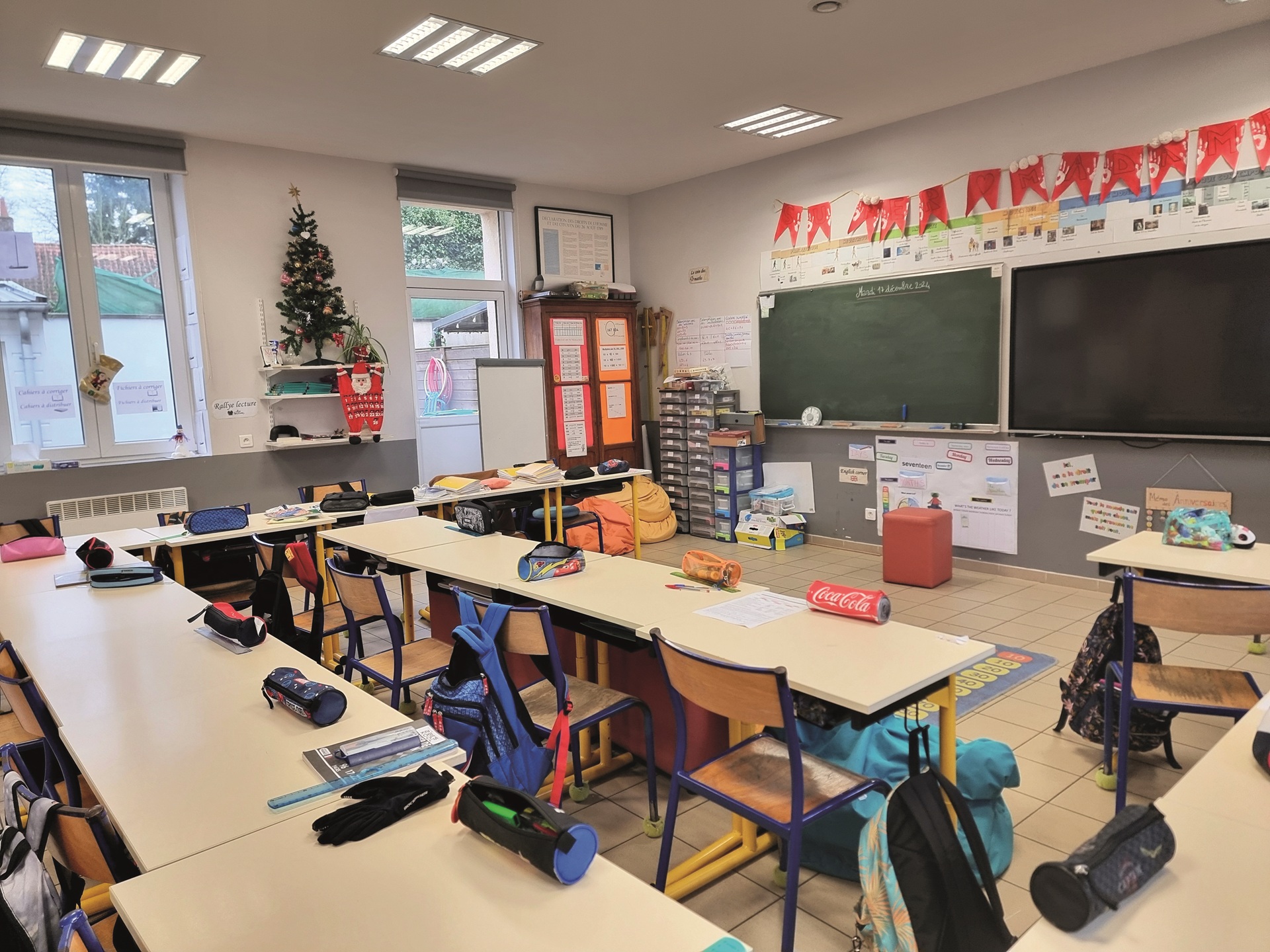
Photo: Shutterstock
While the back-to-school payment known as l’allocation de rentrée scolaire (ARS) is also means tested, the income platforms are generous and almost all families in France on ‘normal’ incomes receive this. This is a one-off payment made in August to enable parents to purchase all the clothing, equipment, stationery and so forth that the children need for the coming academic year. Current amounts start at €416 for the 6-10 age group rising to €454 for the 15-18 year olds. This payment is a real bonus for families on low to moderate incomes and enables parents to ensure that their children have everything they require without worrying too much about the cost.
The CAF is also there to support families facing any kind of emotional as well as financial difficulties. If you are separated or in the process of separating from your partner, the CAF will provide support services to help you determine the amount of child maintenance (pension alimentaire) you should be receiving, organise payments and if necessary, help you recover unpaid maintenance.
If you have separated and the childcare arrangements are ‘one week on, one week off’ (garde alternée), you can choose to have any CAF benefits split between the two households. The CAF can also provide emergency financial assistance to allow victims of domestic violence to get away from their abuser. This is known as l’aide d’urgence pour les victimes de violences conjugales.
They will also provide help with administrative tasks, family mediation and are a hugely useful source of support and information in the case of divorce or separation, and will be able to advise on accessing different benefits as your personal and financial circumstances change.
LEISURE TIME

Photo: Shutterstock
Holidays and leisure time are seen as being vitally important in France so of course the CAF has a role to play here too. Parents whose children aged 11 and over who take part in a holiday camp (colonie de vacances) can apply for le Pass’colo – a state-funded grant which covers part of the cost -and the CAF also provides an aide aux vacances for families.
Like almost all benefits, this is income dependent and there are conditions; at least one parent must go on the holiday with the children and the holiday centre needs to be at least 200km away from the family home and on the official VACAF list.
Payments are generous and can be up to 80% of the cost of the stay with a €700 limit. Extra funding of up to €200 is even available if you travel further afield.
Families can obtain reduced train fares too, ranging from 30-75% if they apply for la carte familles nombreuses. This card also gives discounts and offers with various partners including supermarkets, museums, clothing stores, holiday destinations and car rental, and even restaurants. Offers change all the time so if you have a card, do check out the official website and see what is available.
The CAF provides many other benefits and services to people of working age and over (which we’ll be covering next time) but their raison d’être is supporting families and they do an excellent job.
The unique mix of legal, financial and tax advice along with in-depth location guides, inspiring real life stories, the best properties on the market, entertaining regular pages and the latest property news and market reports makes French Property News magazine a must-buy publication for anyone serious about buying and owning a property in France.

Lead photo credit : Photo: Shutterstock
Share to: Facebook Twitter LinkedIn Email
More in State Benefits in France
Related Articles



Leave a reply
Your email address will not be published. Required fields are marked *