How Soap Went from Plastic-Free Essential to Environmental Disaster – and Back Again
Sponsored Content
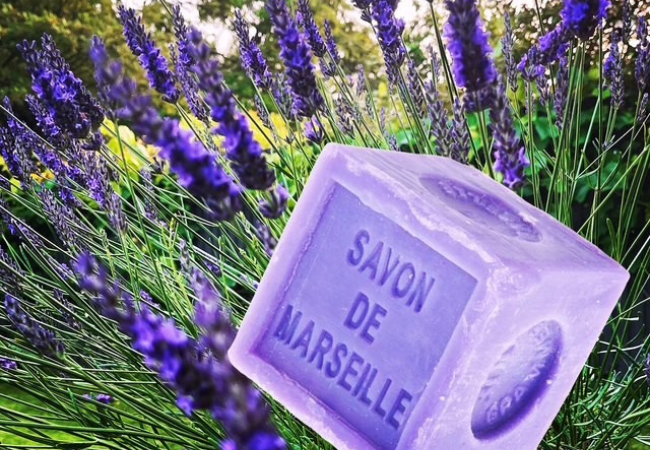
Soap has been part of human civilisation for over 4,800 years, beginning as a simple, natural product and evolving through industrial revolutions and modern consumerism. But somewhere along the way, what began as an eco-friendly solution to cleanliness became a contributor to environmental damage. Now, as sustainability regains centre stage, soap is returning to its roots — and leading the way in zero-waste living.
A Clean Start: The Ancient Origins of Soap
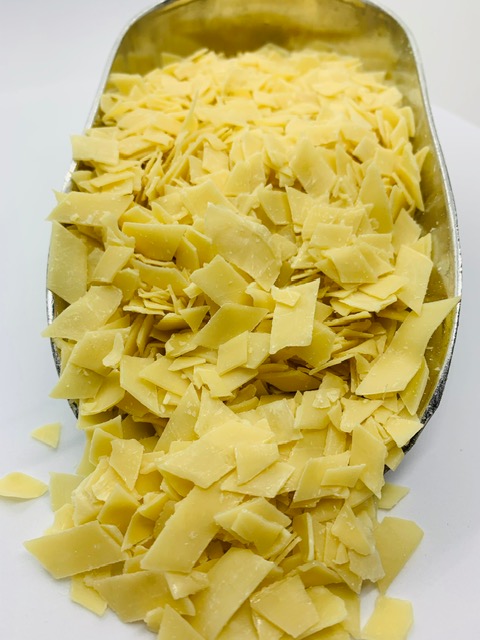
Soap-making dates back to around 2800 B.C. in ancient Babylon, where early soap was created by boiling animal fats with ashes. The Egyptians followed with a similar method using alkaline salts, while the Phoenicians added goat’s tallow to the mix. The Romans, Celts, and Greeks all played a part, using soap for medical purposes, textile cleaning, and eventually, personal hygiene.
The word “soap” is believed to have derived from “saipo,” a Celtic term, and popularised from the Roman legend of Mount Sapo, where fats from sacrificed animals mixed with ashes created a cleansing mixture.
Soap in its earliest forms was simple, natural, and waste-free — a far cry from many of today’s mass-produced products.
The Rise of Soapmaking — and Its Price
Historically, soap was a luxury item. Early methods used fats, oils, and plant ash, and the craft was reserved for skilled soap makers, often protected by trade monopolies. That changed in 1791 when Frenchman Nicolas Leblanc discovered a chemical method for producing soda ash from salt, dramatically reducing the cost of soap. Later discoveries around the chemistry of fats and glycerine cemented the industrialisation of soap by the 19th century.
Britain Joins the Soap Game
Britain was relatively late to large-scale soap production, with evidence of soap use only appearing in the 10th century. By the 12th century, records mention soap makers in Bristol and London. But it wasn’t until the late 1700s that British innovation shone — notably with Andrew Pears’ creation of “transparent soap,” still known today as Pears Soap.
While transparent soap had a refined look, opaque soaps remained more affordable and practical for everyday use.
War, Hygiene, and the Turning Point
The mid-19th century saw soap take centre stage in public health. During the Crimean War, disease was killing more British soldiers than battle wounds — until Florence Nightingale implemented basic hygiene protocols. Her reforms dramatically reduced mortality rates and sparked a wider recognition of soap’s importance.
American soldiers in the Civil War brought similar habits home, helping cement soap as a household staple.
The Marseille Legacy
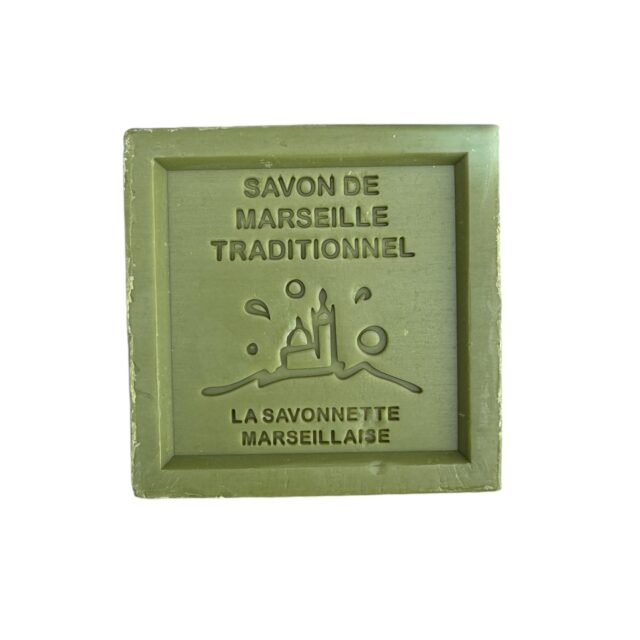
One of the most iconic soaps in history is Savon de Marseille, made from olive oil and sea plant ash. By 1688, strict French laws ensured only natural vegetable oils could be used in Marseille soap. At its peak in 1924, over 130 soap manufacturers operated in the region.
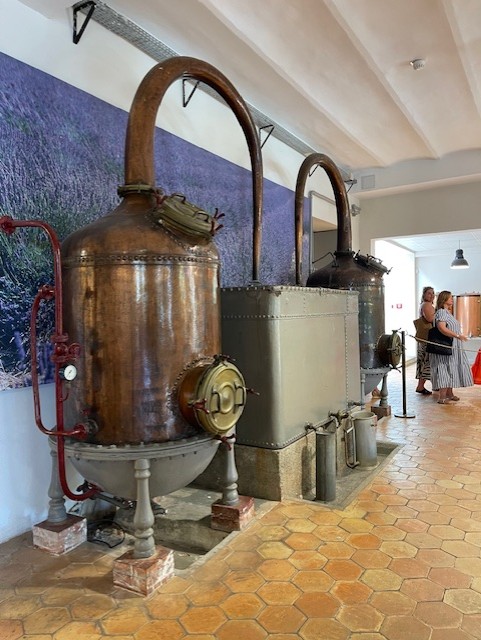
Traditionally made in huge cauldrons and cut by hand, Savon de Marseille became a symbol of artisan craftsmanship and sustainable production. Today, only a handful of traditional producers remain.
From Eco-Friendly to Environmental Hazard
Despite its sustainable origins, soap’s mass production in the 20th century shifted toward convenience. The 1970s introduced plastic-bottled liquid soap. The following decades brought even more innovations: detergent pods, disposable wipes, cold-water gels — all packed in plastic and reliant on synthetic chemicals.
The environmental cost has been staggering: billions of single-use plastic containers, non-biodegradable chemicals, and microplastics now pollute oceans and landfills.
A Return to Tradition
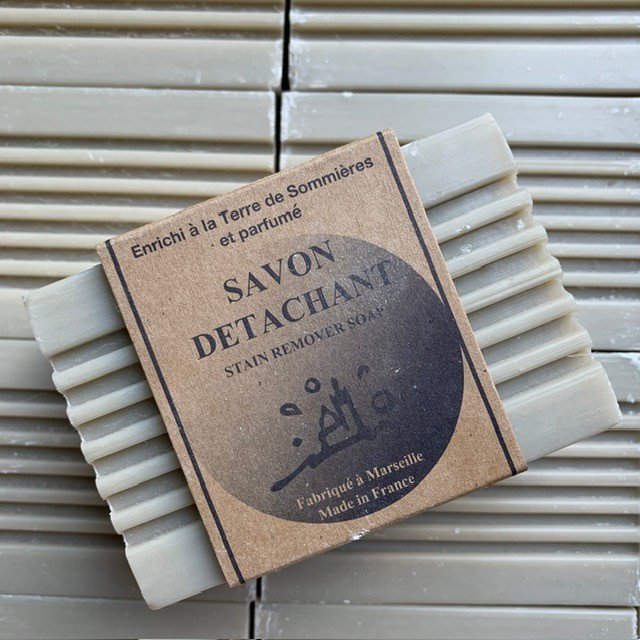
In the past few years, a movement has emerged to reject the harmful habits of modern consumerism. More households are ditching plastic pumps and chemical-laden gels in favour of bar soaps, often handmade, cruelty-free, and wrapped in recyclable packaging.
Château du Savon, a small family business in Somerset, is at the forefront of this return to tradition. Sourcing eco-friendly, cruelty-free soaps inspired by the age-old methods of Marseille, they deliver sustainable alternatives without compromising on quality.
Looking Ahead
The soap industry has come full circle. As consumers become more environmentally conscious, we’re once again embracing the humble bar of soap — a product that’s been with us since the dawn of civilisation, and may well be a solution for the future.
Share to: Facebook Twitter LinkedIn Email
More in Gifting, Lifestyle, soap
Related Articles



Leave a reply
Your email address will not be published. Required fields are marked *