
The Art of Ordering Oysters in France: Types and Numbering
Feature
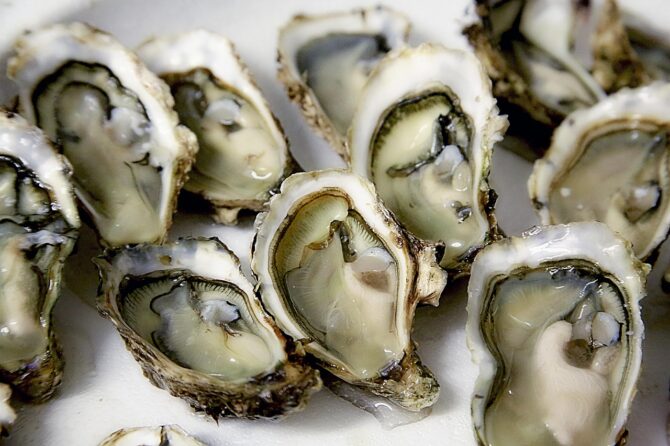
France is home to some of the world’s finest oysters — huîtres — and mastering the art of ordering oysters in France is a joy in itself. But if you’re new to this delicacy, you may find yourself a little shuck up when you see the menu. Consider this your crash course in ordering oysters the French way.
A brief introduction to the oyster
Oysters are marine molluscs that live in shallow coastal waters, clinging to rocks and forming large beds while feeding on plankton. Enjoyed for their distinct flavour, texture, and mineral-rich goodness, oysters have long held a place in French culinary tradition, often associated with indulgence, celebration, and the pleasures of the sea.
Types of oysters in France
There are two main types of oysters you’ll encounter in France:
- Huître creuse (cupped oyster): The most common variety, making up the vast majority of the French oyster market. Originally introduced from Japan, these oysters have a curved, cupped shell and are widely available across France. They’re favoured for their accessible flavour and reliable quality.
- Huître plate (flat oyster): This native French species is more elusive and typically more expensive. Known by regional names such as Belon or Marennes, flat oysters are cultivated in smaller quantities and account for only about 1–2% of oyster production in France. Their flavour tends to be more complex and lingering, often described as refined and nutty.
Decoding the numbering system
In France, oysters are sold by size, indicated by a number ranging from 000 (the largest) to 6 (the smallest). The smaller the number, the larger and meatier the oyster.
Here’s a general guide:
- No. 3: The most commonly served size in restaurants — balanced in flavour and manageable, making them a good starting point for most people.
- No. 1 or 2: Larger and often more intensely flavoured, better suited to those already comfortable with the texture and taste.
- No. 4 to 6: Smaller, more delicate, and often favoured by those easing into the oyster experience.
You may also see terms like huîtres fines and huîtres spéciales:
- Fines are leaner oysters with a cleaner, saltier taste.
- Spéciales are plumper and richer in flavour, due to a higher meat content.
Where to enjoy oysters in France
Oyster cultivation spans the French coastline, but certain regions have become synonymous with excellence.
- Brittany is particularly celebrated, with the town of Cancale — earning the title of “Oyster Capital of Brittany”. Local oyster stalls line the harbour, offering fresh oysters with unbeatable sea views.
- Normandy also boasts a thriving oyster scene, with its crisp, clean waters producing some of the finest huîtres creuses in the country.
Other notable regions include the Arcachon Basin near Bordeaux and the Marennes-Oléron basin in Charente-Maritime, both renowned for their well-developed oyster farming traditions and regional appellations.
Enjoy your oysters this summer!
Ordering and enjoying oysters in France, especially when paired with a local white wine or crémant, can be a joyous moment. Whether you’re perched by the harbour in Cancale or seated in a Parisian brasserie, knowing your No. 3 from your No. 1, and your fines from your spéciales, ensures your oyster experience is one to truly savour.
Share to: Facebook Twitter LinkedIn Email
Related Articles



By Lisa Carr
Leave a reply
Your email address will not be published. Required fields are marked *