
What is the Fleur de Lis and Why is it Significant to France?
Feature
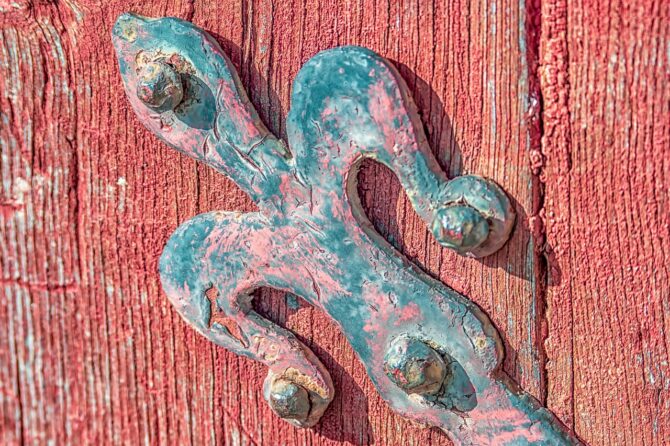
You’ve likely spotted the endlessly elegant fleur de lis whilst travelling around France, thanks to its deep historical roots and enduring cultural significance throughout the country. But what’s the story behind this emblem – and why does it still hold such meaning today?
A Flower with Royal Roots
The fleur de lis, which translates from French as “lily flower”, is widely believed to depict a stylised iris rather than a true lily. Either way, the symbol has long been associated with purity, beauty, and divine light.
It rose to prominence in the 12th century, when it was adopted as the official emblem of the French monarchy. Used on royal coats of arms, seals, shields, and banners, each of its three petals came to symbolise key virtues tied to monarchy and medieval knighthood – such as justice, wisdom, and valour, or in some interpretations, faith, wisdom, and chivalry.
Beyond its royal links, the fleur de lis has evolved into a broader emblem of French heritage – a timeless visual symbol recognised around the world.
Beyond the Crown: A Widespread Symbol
Although born of royalty, the fleur de lis soon found life beyond the court. Over time, it appeared on military insignia, noble coats of arms, ceremonial regalia, and even early forms of currency.
A Living Icon in Modern France
Despite the fall of the monarchy, the fleur de lis has never faded from view. Today, it remains deeply woven into the fabric of French culture and visual identity.
You’ll spot it carved into churches and town halls, waving on regional flags – especially in Normandy and Brittany – and emblazoned on everything from traditional signage to municipal logos. Its continued presence serves as a tribute to craftsmanship, legacy, and the endurance of national symbolism.
For heritage brands and artisan makers alike, the fleur de lis acts as a mark of authenticity. Whether printed on product labels or stitched into handmade goods, it communicates a proud connection to French tradition.
From Symbol to Style
In the world of design, the fleur de lis has transcended its historical context to become a beloved decorative motif. It brings a sense of refinement and grandeur to whatever it adorns – whether subtly woven into table linens or engraved on antique furniture.
In fashion, it graces scarves, cufflinks, and accessories. In interiors, it adds a timeless charm to wallpaper, ceramics, and soft furnishings. It’s also a popular motif in jewellery, chosen by those who appreciate its regal yet understated beauty.
One of the most common places you’ll find the fleur de lis today is in French-inspired home décor. It features in everything from rustic country kitchens to elegant Parisian salons – a symbol that ties together elegance, heritage, and a deep sense of place.
Share to: Facebook Twitter LinkedIn Email
Related Articles



By Lisa Carr
Leave a reply
Your email address will not be published. Required fields are marked *
REPLY