
The Hidden Costs of French Rural Living
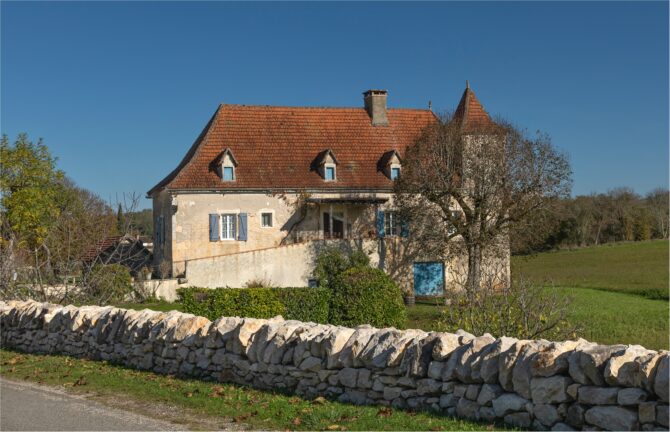
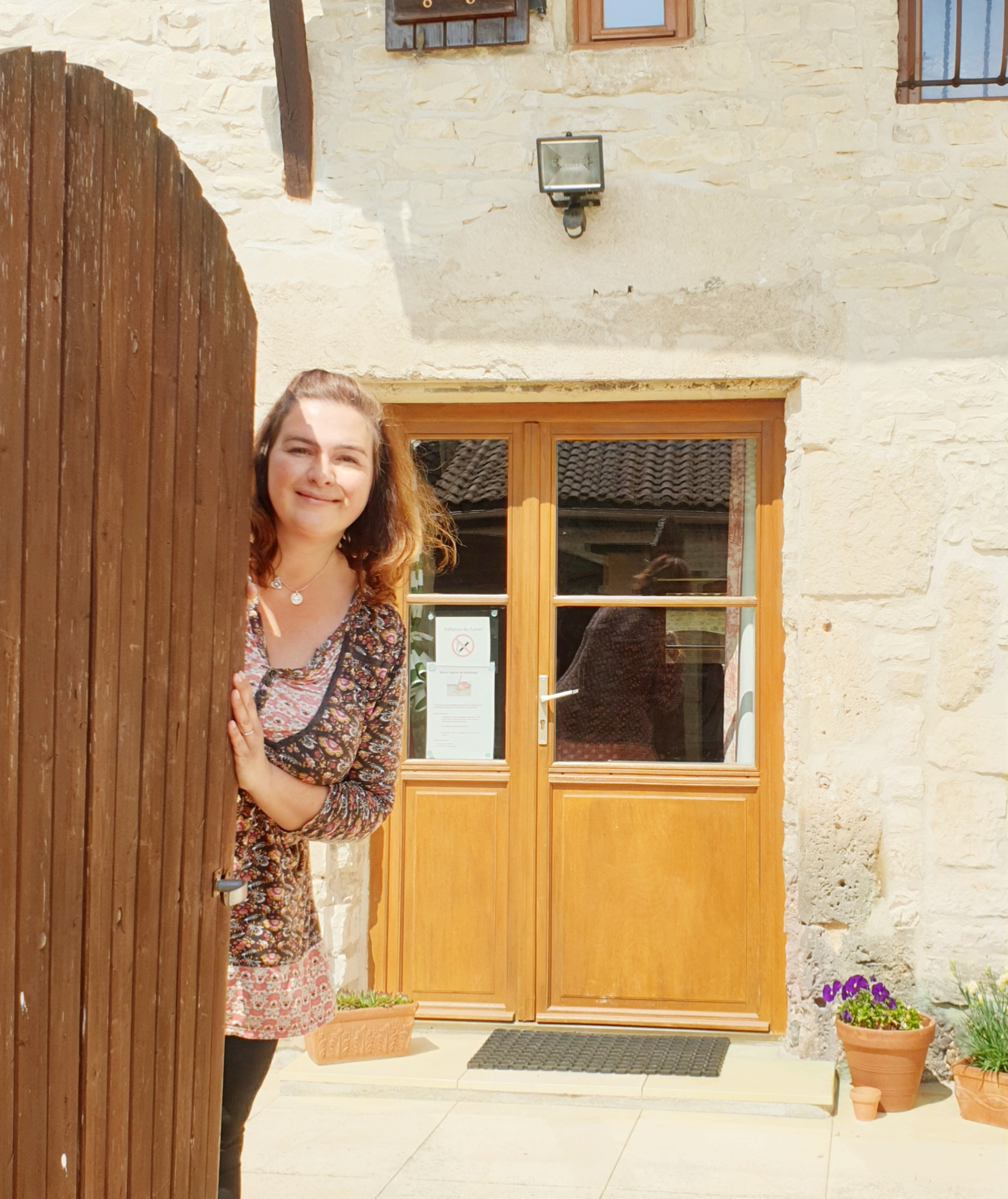
The unexpected costs of living in rural France came as a bit of a shock in our first year living in Charente. We had moved from a reasonably large detached 1960’s property in the North-East of England to a three-story Charentaise ancienne maison, three independent gîtes and several barns and out-buildings.
Electricity
This was definitely an eye-opener. Before the UK price hikes for electricity, we came to France and used electricity in the same way as we had back home. Looking back, it was thoughtless and naïve, and we certainly were not as conscious of our consumption as we are now. I remember receiving our first annual bill after the reality had sunk in, and I vomited on the spot. It was a huge amount – equivalent to some people’s yearly wage. Electricité De France (EDF) took it in one go from our bank account; it was certainly a learning curve.
We immediately decided to reduce our consumption – changed to low-energy lightbulbs, removed unnecessary bulbs, installed timers on immersion heaters, removed electric kettles, insulated, installed double glazing, removed electric radiators with newer, more efficient alternatives, and so on and so forth. Working on lowering our electricity bill is always ongoing, this year and next, for example, we are expanding our use of solar panels.
Schooling Costs
Our children attended our local, wonderful state Primary school in Verdille. They began part way through the year in December, and in France, you are expected to provide all school supplies or your children. From all workbooks and stationery to a cup, toothbrush, toothpaste and a serviette for mealtimes, depending on the school’s policy. Every August, families receive money from the State to cover these costs via the CAF.
If you choose to educate your children privately, this may well be a welcome surprise in that school fees are considerably lower than in the UK.
Roofs
Be prepared for leaks! Never in my life have I experienced a leaking roof before moving to France. Even though this had been queried prior to us buying the property, every single roof had problems, the worst being the roof of the main house, which poured water into our daughter’s bedroom that first winter. My advice is to take a local registered maçon with you to view the house you are considering buying, as roofs are an expensive business. By ‘local’ I mean one that the local Mairie recommends. Ask them to assess your roofs (and anything else – wooden floors, cracks in walls, loft timbers), and then you can negotiate any issues before signing on the dotted line.
Depending on the construction of your roof, you may need to budget for an annual révision, where a roofer pushes any slipped tiles back into place, replaces any cracked tiles and does the necessary repairs before it rains in winter.
Heating
We moved to Charente in December. Our house, with its thick stone walls, had been empty for months before our arrival. As anyone who has lived in a stone house will tell you, it can feel like a fridge; it took two weeks for the house to warm up.
Oil-fired central heating is expensive, and the cost of wood per cubic metre has more than doubled in price over the last eight years. Installing a granulated heating boiler is more cost-effective and should substantially reduce your bills. Or research alternative heating solutions that are more efficient and eco-friendlier.
Renovation Costs
Many of us come here to renovate these magnificent properties and to restore them to their former glory, so do your sums first to avoid any nasty surprises. Materials have skyrocketed due to the global economic crisis, and artisans are not cheap because they are usually incredibly skilled, pay comparatively high taxes, and are insured, as registered maçon’s work is guaranteed for ten years.
Many are surprised by the day-to-day costs of living in France, so it is wise to have a ‘rainy day fund’ and then have another one in reserve, just in case these extra costs appear unexpectedly.
Bon courage!
Lead photo credit : Photo: Shutterstock ©
Share to: Facebook Twitter LinkedIn Email
More in rural costs of living in France, rural living
Related Articles

By Carol Paylor
Leave a reply
Your email address will not be published. Required fields are marked *