News Digest: (Another) New Prime Minister For France’s Macron
News
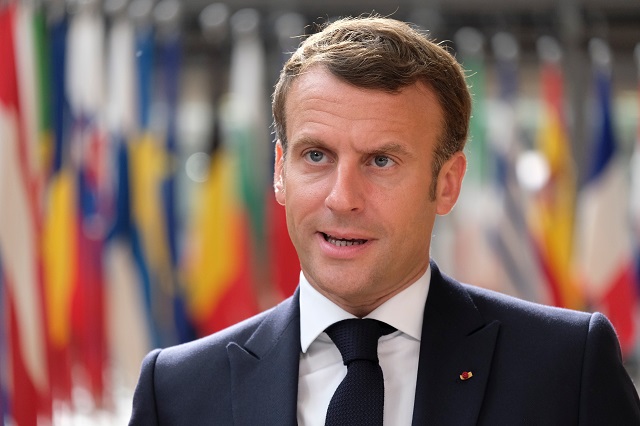

French President Emmanuel Macron has appointed the seventh Prime Minister of his presidency, plus why you shouldn’t travel in France this Thursday. Here are the French news stories you need to know about this week.
1. Meet France’s new Prime Minister
The dust had barely settled after former Prime Minister, François Bayrou, lost his vote of confidence last Monday evening, when President Macron named Defence Minister Sébastien Lecornu as his successor. Lecornu is the seventh Prime Minister appointed by Macron since the President took office in 2017, which feels like it should be a record, but in fact it ties with another president of the Fifth Republic, François Mitterrand, who also had seven Prime Ministers.
A former member of the right-wing Les Républicains party, 39-year-old Normandy-born Lecornu joined Macron’s centrist party in 2017. He’s been a member of the government since Macron took office and Defence Minister since 2022, surviving several changes of government.
Only time will tell if Lecornu will succeed where others have failed, namely in passing a 2026 Budget that addresses France’s spiralling debt. One week in, he has promised a change of course from his predecessor, stating that he aims to find more creative solutions to working with the opposition, and withdrawing Bayrou’s unsurprisingly unpopular proposal to get rid of two of France’s public holidays.
Lecornu is yet to announce his government, but is expected to in the coming days.
2. Sept 18th strikes
Outgoing Transport Minister Philippe Tarabot has proclaimed this Thursday, September 18th, a “journée noire” (black day) for travel around France, as support grows for a nationwide strike. France’s union collective, Intersyndicale, has filed a strike notice that will span several sectors, including transport, schools, pharmacies, and physiotherapists, and will likely see protest marches and demonstrations in major cities around France.
Expect widespread delays and cancellations on national train services, Paris metro, bus, and tram lines, and Air France flights, as well as school closures and limited Uber and other ride-share services. In most instances, you will be informed 48 hours before travel if your route is affected, so keep a lookout for notices, and make sure you double-check your tickets prior to travelling. If you must travel on Thursday, it’s recommended to leave extra time to account for delays.
3. Flu vaccines
France’s annual flu vaccine and Covid-19 booster campaign will begin on October 14th, from which time you will be able to book an appointment at your local pharmacy or health clinic. The vaccines are typically administered on the same day, one in each arm.
Flu vaccines are available for free for high-risk individuals, which includes over 65s as well as those with certain chronic illnesses, pregnant women, obese people, and caregivers, and you will be issued with a voucher (if you aren’t automatically sent one, speak to your doctor) to present to your pharmacist.
Covid-19 boosters are available for free for all French residents, and are recommended for the abovementioned high-risk individuals, as well as those with psychiatric disorders, dementia, or Down syndrome.
Share to: Facebook Twitter LinkedIn Email
Related Articles


By Zoë Smith
Leave a reply
Your email address will not be published. Required fields are marked *