
News Digest: Carte de Séjour Renewals, New Government & Block on ‘Coliving’ in Paris
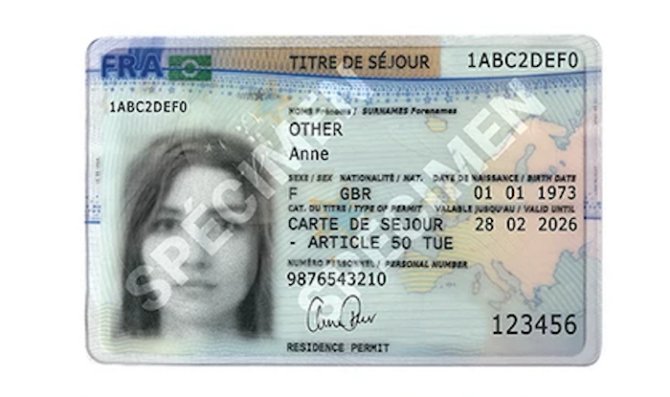

From Brexit carte de séjour renewals and shifts in the French government to Paris tightening housing rules on coliving and practical finance considerations, here are the French news stories you need to know this week.
Brexit carte de séjour renewals: what UK residents in France need to know
France has confirmed that renewals for the post-Brexit “Article 50 TUE” carte de séjour will be handled by local préfectures. There will be no relaunch of the 2020 national portal and the ANEF site does not process these cases, so you must follow the instructions published by your own préfecture. Many are using the Demarches-Simplifiées platform, others ask for applications by email, post, or appointment. Apply within the permitted window, ideally between three months and six weeks before your current five-year card expires. If your card is due to lapse in under two months and there are no online instructions, book an appointment as soon as possible. A récépissé will confirm your legal status while the new card is produced.
Renewal is designed to be light on paperwork. You will typically need a valid UK passport, proof of address, three compliant ID photos, your current carte de séjour, and documents showing any change in personal circumstances such as marriage or divorce. Proof of income or French-language certificates are not required for these renewals. Some préfectures may ask you to sign the “contract of engagement in republican values,” which is a simple declaration. The upgrade is free and results in a 10-year permanent card. If your préfecture has not yet published its process, check its website regularly or contact it directly, and groups like RIFT can provide guidance if you hit snags.
For the past six months, the LBS team has been contacting prefectures across France to find out how they plan to handle the process.
Final few spaces remaining for our Thursday webinar on Moving to France
Last few places are available for our live session on Thursday 16 October 2025 at 6pm ET. If you are aiming to buy in France or make a permanent move, our panel will walk you through the essentials: finding the right home, how French purchases work from offer to keys, mortgage options for U.S. buyers, straightforward visa and residency routes, and smart currency tactics so your dollars work harder.
👉 Reserve your spot now to get practical guidance, insider tips, and clear answers to your questions. If you cannot attend live, register anyway and we will send the full recording.

France’s new government: stability push, with Laurent Nuñez at Interior
President Macron has reappointed Sébastien Lecornu as prime minister and unveiled a new cabinet under intense pressure to deliver the 2026 budget in a hung parliament. The headline change: Paris police chief Laurent Nuñez becomes interior minister, replacing Bruno Retailleau. The reshuffle lands as opposition parties threaten no-confidence votes and lawmakers face the constitutional 70-day budget clock to pass a finance bill before year-end.
For residents and would-be movers, Interior is the ministry that touches daily life: préfecture services (residency, driving licences), border/security policy, protest policing and local public-order decisions. Nuñez is a career security technocraT, ex-DGSI intelligence chief, former counter-terror coordinator, and Paris police prefect, so expect continuity and a focus on operational steadiness rather than political grandstanding while the government fights its budget battle. Any service changes (e.g., appointment systems, documentation requirements) will be implemented via préfectures rather than big new laws in the short term; keep an eye on your local préfecture’s notices for process updates.
Paris moves to “zero coliving” for new projects
Paris City Council has voted to reject any new ‘coliving’ schemes, aiming to curb what it sees as a workaround to rent controls. The measure signals a “zero coliving” stance, with the city set to inform developers it will refuse future proposals while a dedicated team maps and monitors existing sites. Officials argue that service add-ons can inflate effective rents beyond caps, and they have urged the State to define a clear national legal framework for this hybrid model.
Coliving means a professionally run residence where tenants rent private, furnished bedrooms (often with an en-suite) inside a larger building that has shared kitchens and lounges, plus hotel-style amenities and services such as cleaning, high-speed internet, gyms, coworking rooms, and events.
For buyers, landlords and operators, the near-term impact is that fresh coliving pipelines in Paris are effectively on hold, even as demand from students and young professionals remains high. Existing residences are not automatically shut but can expect closer scrutiny on classification and pricing. If you were eyeing a coliving-led investment in the capital, consider conventional long-let strategies that comply with rent control and local planning rules, or look to neighbouring communes where policy may differ. Keep an eye on forthcoming guidance from the city and national lawmakers as definitions, enforcement and any grandfathering rules are clarified.
Share to: Facebook Twitter LinkedIn Email
More in news, News digest
Related Articles



By FrenchEntrée
Leave a reply
Your email address will not be published. Required fields are marked *