Summer Travel, Tax Refunds and Health Cover: News Digest
News

Bastille Day is approaching, with the national public holiday falling on Tuesday the 14th of July and Paris fireworks taking place a day earlier than usual this year. Summer school holidays have also begun, bringing heavier road traffic and warnings over EES border delays for non-EU travellers, while residents and second-home owners should keep an eye on water restrictions, wildfire alerts and heat-related disruption. Here are the France headlines you need to know this week.
Bastille Day falls on Tuesday the 14th of July
France’s next national public holiday is Fête nationale, or Bastille Day, on Tuesday the 14th of July. Banks, schools, many offices and some businesses will be closed, although arrangements can vary by sector and location. In Paris, the traditional Eiffel Tower fireworks will take place on Monday the 13th of July 2026, rather than the 14th. Visitors should expect large crowds, security measures, traffic restrictions and public transport changes around central Paris and the Champ-de-Mars area.
Summer holidays begin, with busy roads expected
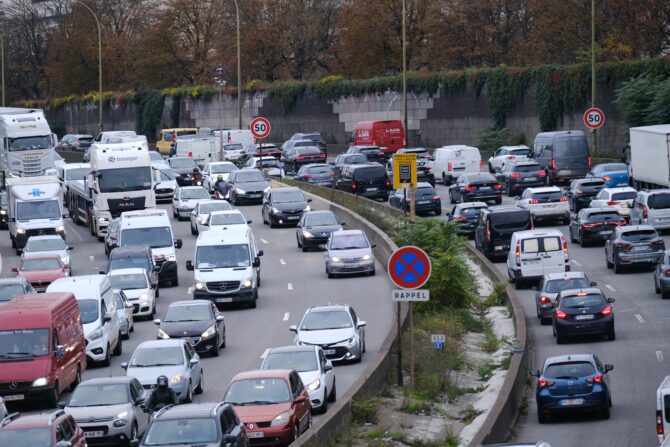
School summer holidays began across mainland France on Saturday the 4th of July, marking the start of the main summer getaway period. The first weekend already brought difficult traffic conditions on several major routes, and drivers should expect further busy weekends throughout July and August. Holidaymakers driving to or through France are advised to leave early, avoid peak Saturday travel and check live traffic updates, which can make a significant difference.
Heat, water restrictions and wildfire alerts continue
Hot, dry weather continues to affect parts of France, increasing pressure on water supplies and raising the risk of wildfires. Water restrictions or drought warnings are now affecting many departments, with some communes at crise level, where all but essential water use is banned.
Wildfire risk also remains high in parts of the south, with major fires reported in several departments and restrictions affecting some outdoor activities and events. Anyone staying near woodland, scrubland, campsites or rural holiday homes should follow local prefecture advice and avoid barbecues, campfires, fireworks, discarded cigarettes or any work likely to create sparks.
EES border delays remain a concern for summer travellers
Travellers from outside the EU, including British and American visitors, should continue to allow extra time at borders because of the EU’s Entry/Exit System. Airlines and airport groups have warned that the biometric checks are causing queues at some European airports and ports during the peak summer travel period. The system records non-EU arrivals and departures from the Schengen Area and is used to monitor the 90-day rule. Travellers should make sure passports are valid, have the correct visa or residency documents where needed, and leave extra time for first-time biometric registration.
Paris Plages and Seine swimming areas reopen
Paris Plages and several supervised natural swimming areas have reopened for the summer, offering free urban beaches and open-air swimming spots in the capital. The sites are expected to run until the end of August, subject to water quality and weather conditions. Several of the swimming areas are on or near the Seine, following the major clean-up efforts linked to the Paris Olympics. Lifeguards and daily water checks are in place, but temporary closures may happen after storms or poor water-quality readings.
Income tax notices and refunds due later this month
Taxpayers in France should start receiving income tax notices later in July, with online filers expected to receive notices between the 24th and the 31st of July. Those who overpaid tax in 2025 may receive a refund during the same period. If there is still tax to pay, no immediate action is needed if bank details are up to date. Amounts of €300 or less are due to be taken in one payment on the 25th of September, while higher balances are due to be collected in four instalments from September to December.
Taxpayers who spot an error in their 2026 declaration will be able to use the online correction service from the beginning of August until the end of November.
Complementary health cover simplified for some residents
France’s Complémentaire santé solidaire, or C2S, is now being offered automatically to some additional low-income benefit recipients. The C2S helps reduce healthcare costs for people on low incomes by covering the complementary part of medical expenses not reimbursed by Assurance Maladie. Since the 1st of July, paid C2S can be proposed automatically, under conditions, to certain recipients of the allocation de solidarité spécifique and the allocation du contrat d’engagement jeune. Free C2S is already attributed automatically to RSA recipients unless they object.
Want more help with your France property journey? Join Membership, search our Property Portal, subscribe to French Property News, and follow our YouTube channel for the latest advice and updates. Join us at the French Property Exhibition for expert advice and property inspiration.

Lead photo credit : Shutterstock