
How Property Valuations Work in France
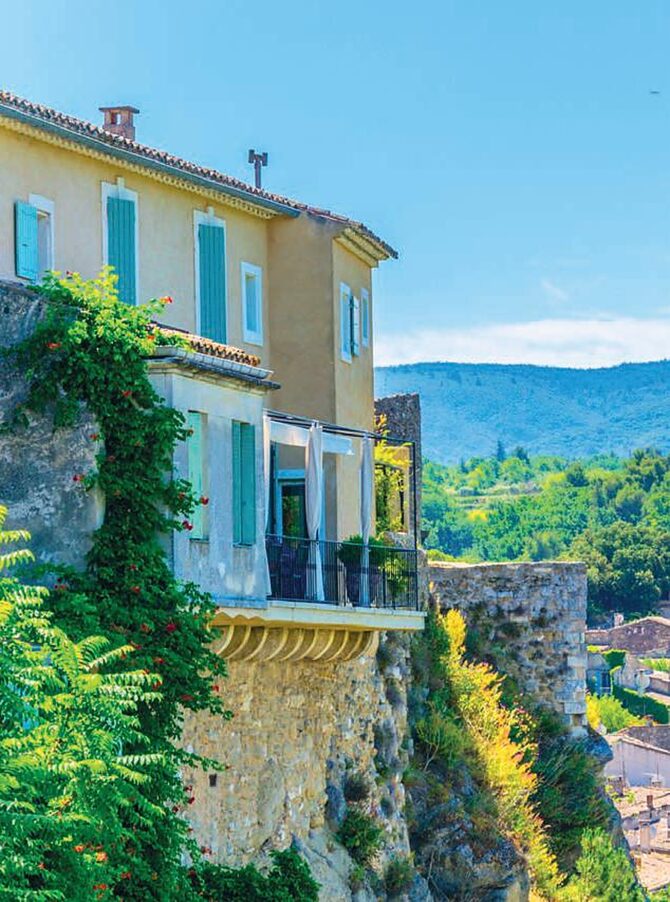
Understanding property valuations in France, without a crystal ball, can be confusing – Paddy Gibbins runs through the pros and cons of the main ways to get your French property valued
Trying to work out what your property is worth in France can sometimes feel like dabbling in the dark arts. The process is rarely straightforward and, in some areas, positively baffling. This is particularly true in popular tourist locations, where the local market is shaped by very different buyer profiles: long-term residents, second-home owners, lifestyle buyers from Paris or London, and investors seeking rental income. Each has their own budget, expectations and frame of reference.
Against that backdrop, a sensible habit is to revalue your property every two years. Doing so gives you a clearer sense of how your home’s value is evolving – whether rising, stagnating or falling – and helps you decide what, if any, improvements are worth making. It also avoids unpleasant surprises if you suddenly need to sell.
Property valuation is often described as a blend of science and intuition, and that is especially true in France. One of the most commonly quoted benchmarks is the price per square metre. While this can offer a rough guide, it rarely tells the full story.
‘ATYPICAL’ PROPERTY WONDERLAND
A square-metre price does not reflect a property’s overall condition, its precise location, outdoor space, land, views, exposure or the presence (and cost) of a copropriété for apartments. Nor does it capture the emotional pull of an ‘atypical’ property – something the French market has in abundance.
Take Lyon as an example: price-per-square-metre figures can range from around €1,500 to more than €7,000 depending on the neighbourhood and the prestige of the building. Unsurprisingly, most sellers like to imagine their property sits at the top end of the scale rather than the bottom.
“The most commonly used approach is to request an ‘avis de valeur’ from one or more local estate agents”
THREE WAYS TO VALUE YOUR PROPERTY
Broadly speaking, there are three main ways to establish a property’s value in France:
1. Do it yourself
2. Ask one or more estate agents to value it
3. Instruct a qualified property valuation expert
Each approach has its strengths – and its pitfalls to watch out for.
1) THE DIY VALUATION
Proceed with caution
If you decide to value your property yourself, there are several key principles you should bear in mind.
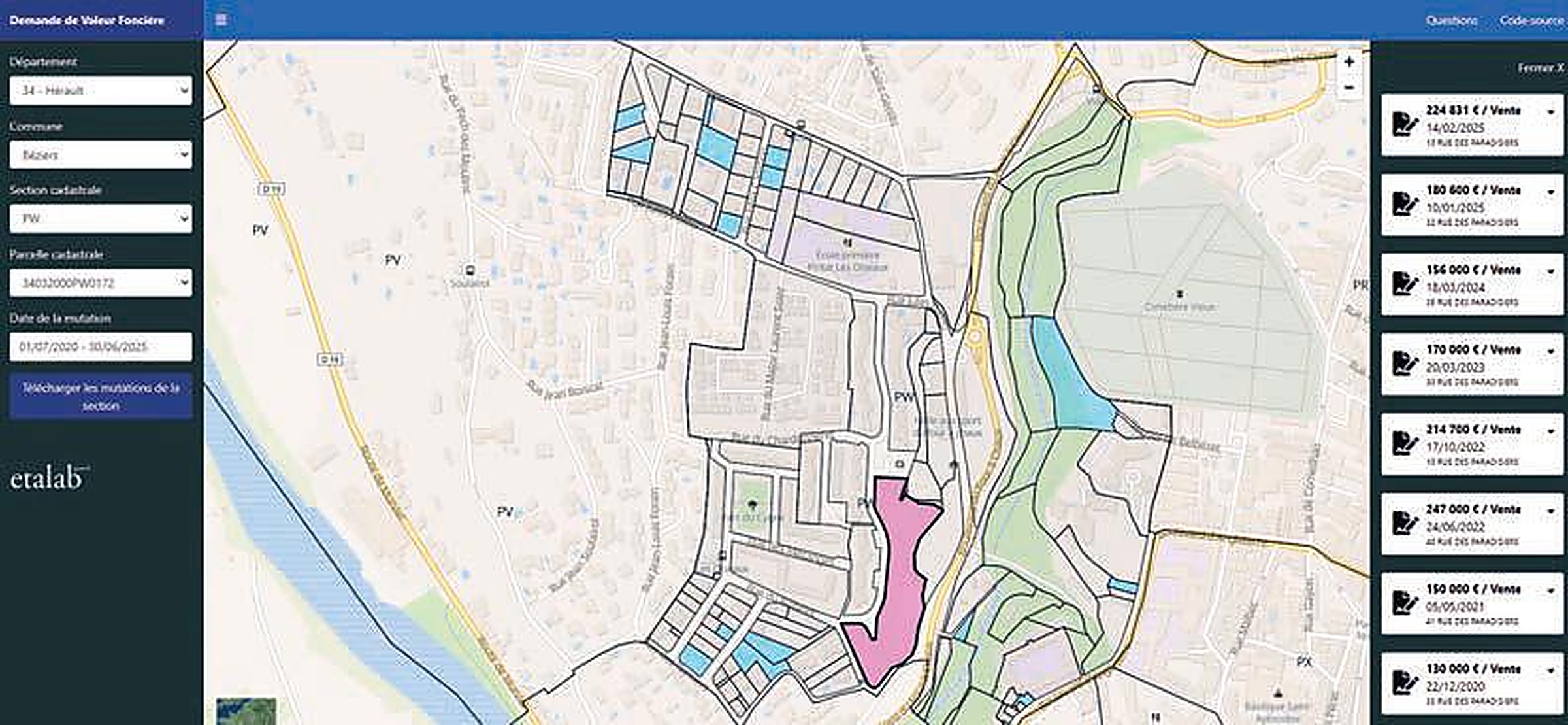
The government’s DVF database is a little-known but surprisingly reliable source providing actual sales prices
First, don’t start with cost price plus works. This is one of the most common mistakes sellers make. Spending €10,000 on a new kitchen and €15,000 on two bathrooms does not automatically add €25,000 to your home’s value. Improvements can make a property more attractive and easier to sell, but they do not always translate into a euro-for-euro increase in price.
The same applies to major technical work. A heating system upgrade, new windows or improved insulation may significantly improve comfort and saleability, but they do not necessarily boost headline value – especially if buyers consider them to be essential rather than optional.
On the flip side, negative diagnostics now carry more weight than ever. Issues such as asbestos, electrical anomalies or, crucially, a poor energy rating (DPE) can have a far greater impact on value than they did five years ago. Properties rated E, F or G now require an additional energy audit, at extra cost, detailing the works and estimated expense needed to improve performance. Buyers are increasingly factoring these costs directly into their offers.
On The Market
€345,000,Autignac: Beautiful ‘maison de vigneron’ in a village just 30 minutes from the coast, comprising two independent houses linked by a terrace with a swimming pool (artaxa.com)
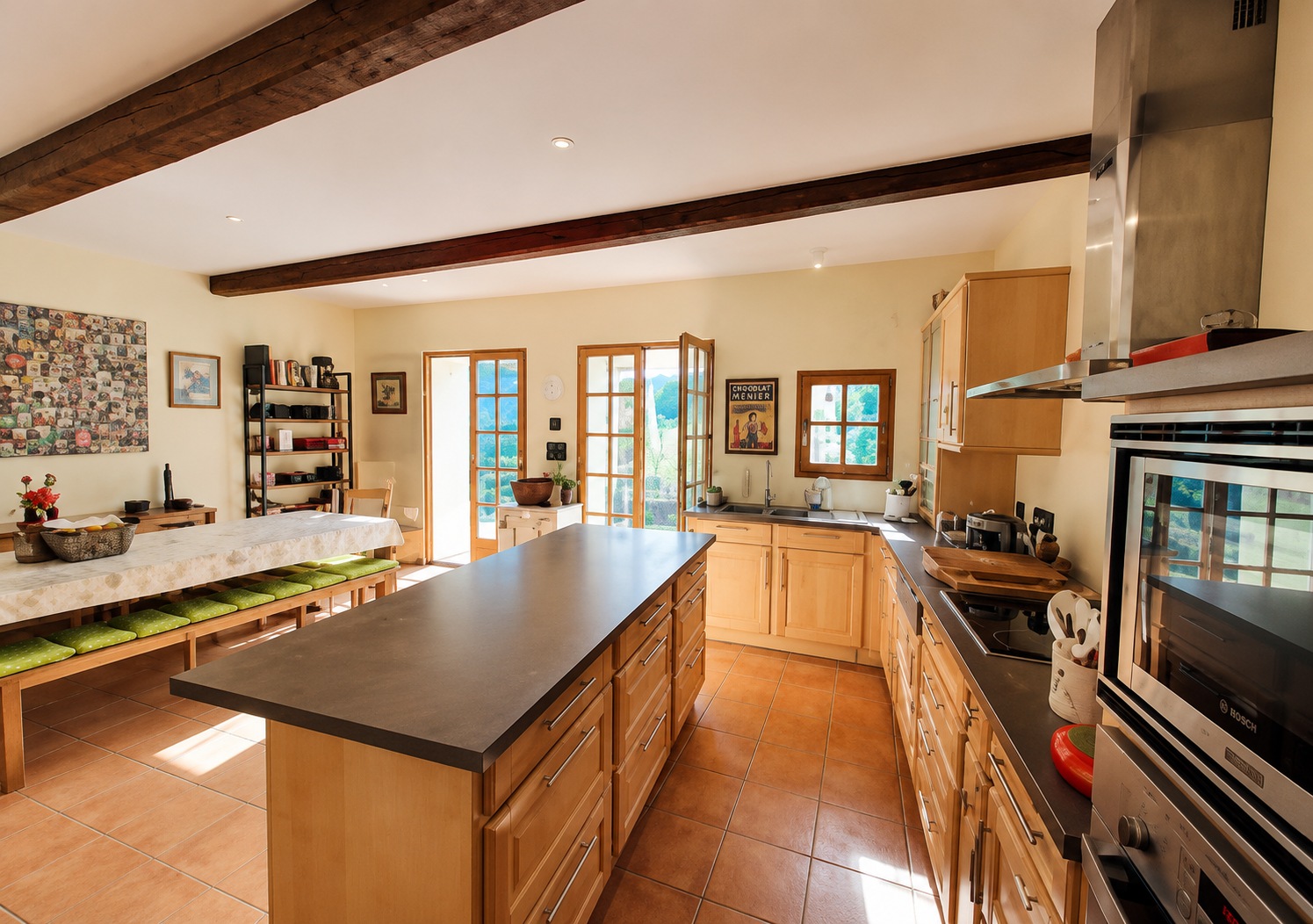
€420,000, Octon: Modern single-storey house in Hérault, set on a 805m2 plot; it has three bedrooms plus a room dedicated to short-term rentals and a heated pool (artaxa.com)
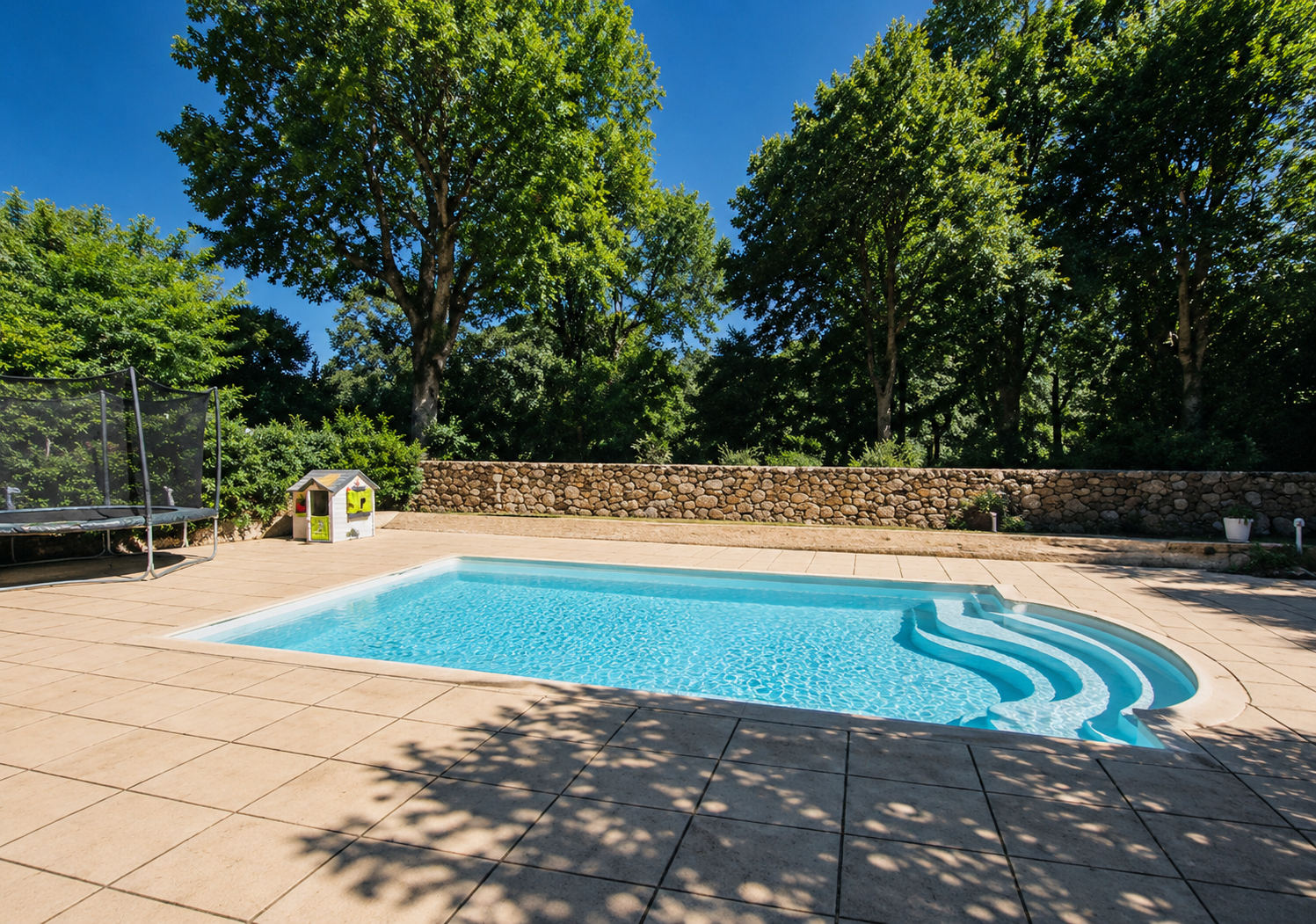
€595,000, Béziers: Four–bedroom villa in a lively village with shops, cafés and schools, 30 minutes from beaches; set on a 5,865m2 plot, it has a heated pool and panoramic views (artaxa.com)
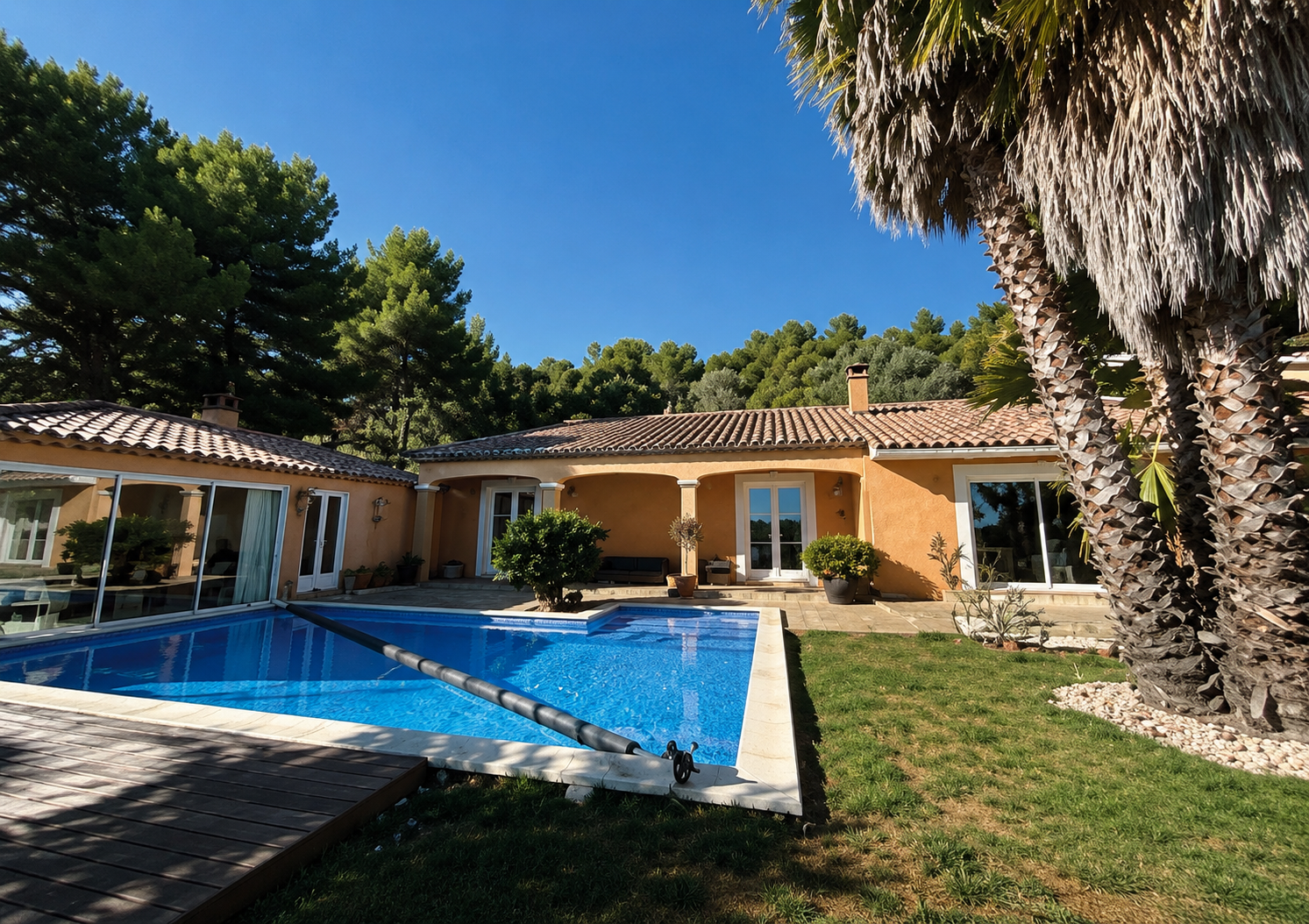
€459,000, Lodève: Near Lake Salagou, three-bedroom house built on a wooded plot of 6,300m2 ; it comes with a vast terrace overlooking the river and a large workshop (artaxa.com)

€180,000, St-Thibéry: Two–bedroom apartment with open–plan living area, terrace, private garden with hot tub, outdoor parking space and wooden storage shed (artaxa.com)
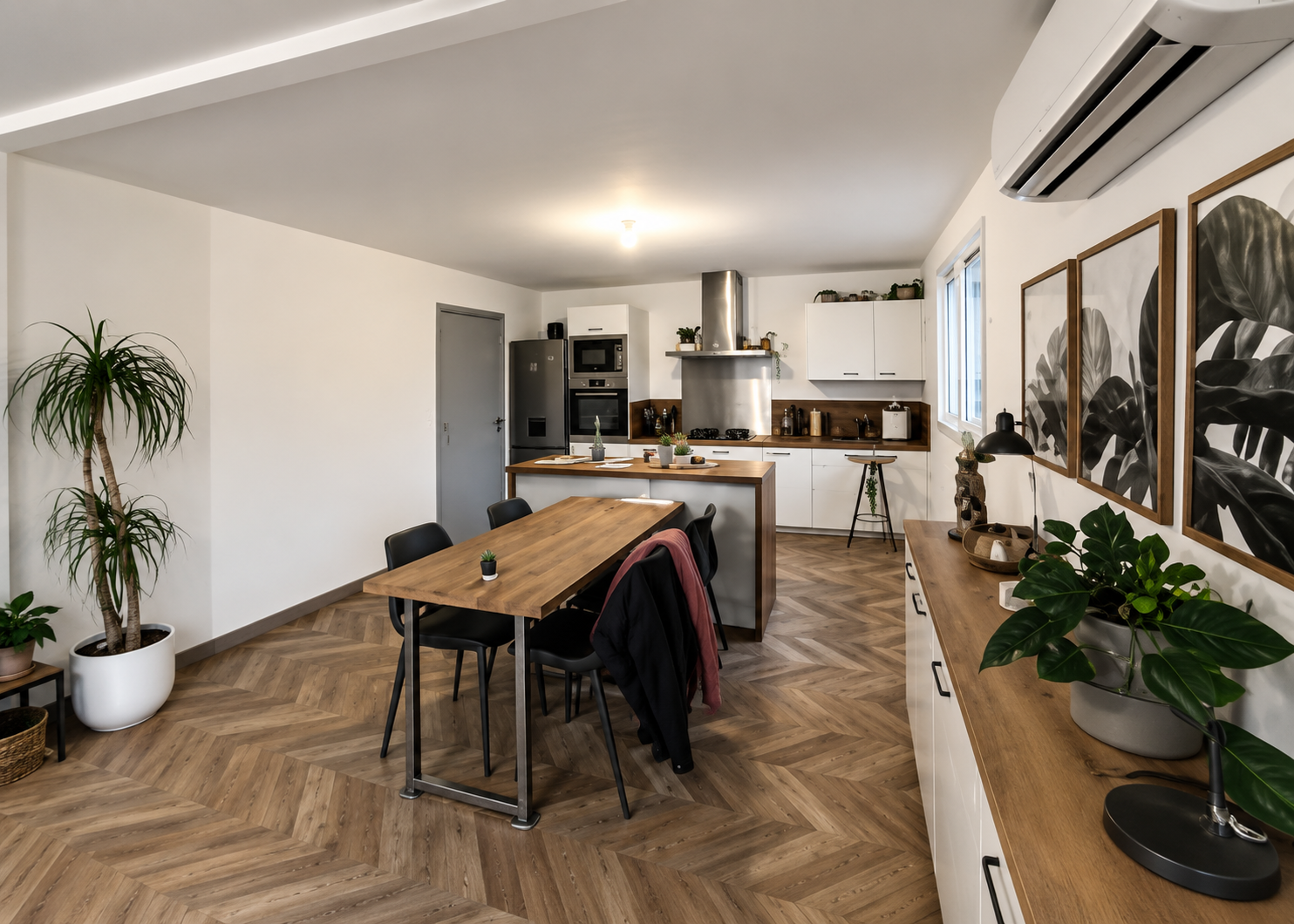
€315,000, Lake Salagou:
Three-bedroom modern house in a natural setting, a stone’s throw from the lake, with open-plan kitchen, swimming pool, two terraces and garage (artaxa.com)
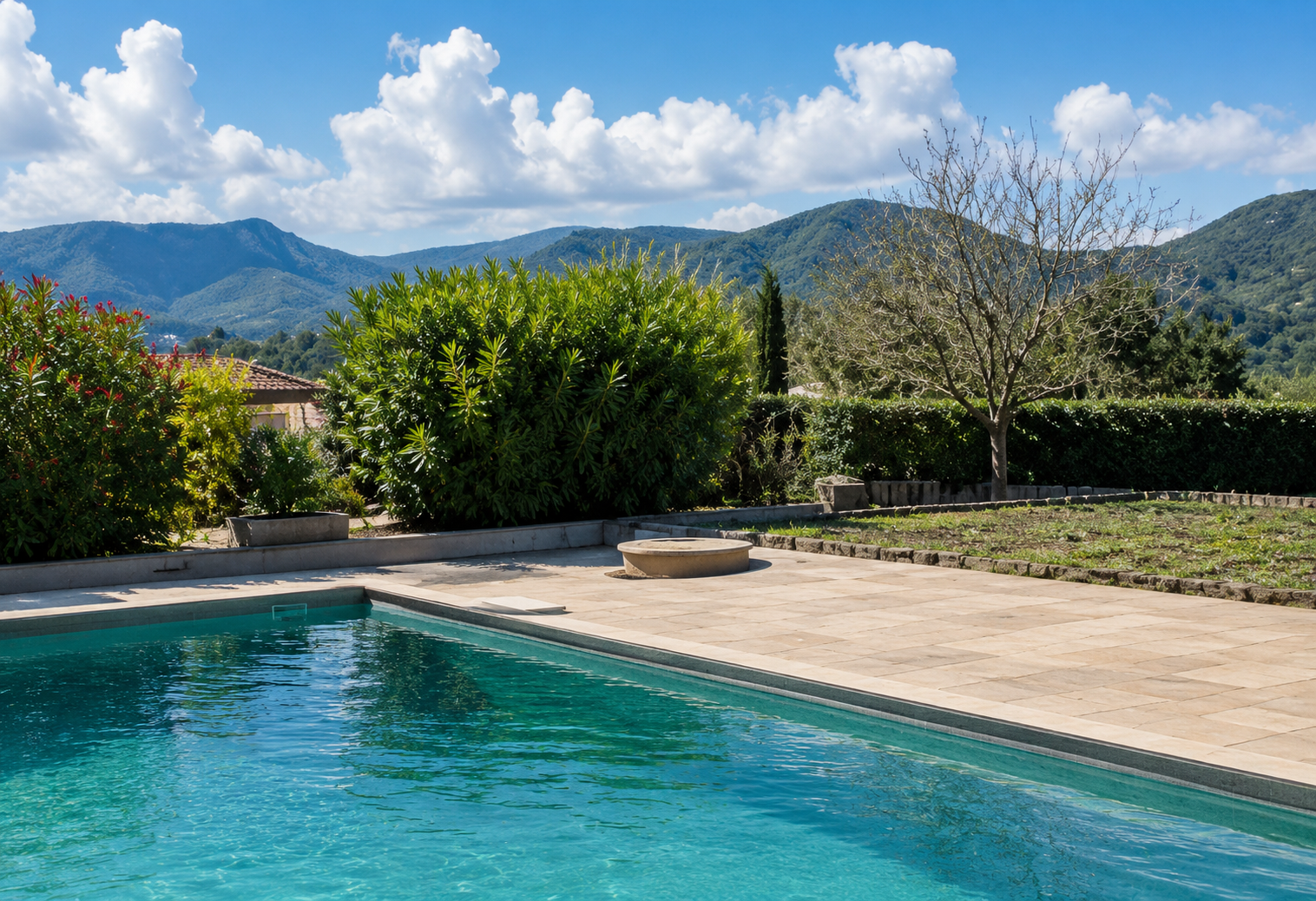
€199,000, Aspiran: Just 40 minutes from Montpellier, characterful three-bedroom village house with potential; the spacious living room opens onto a walled garden (artaxa.com)
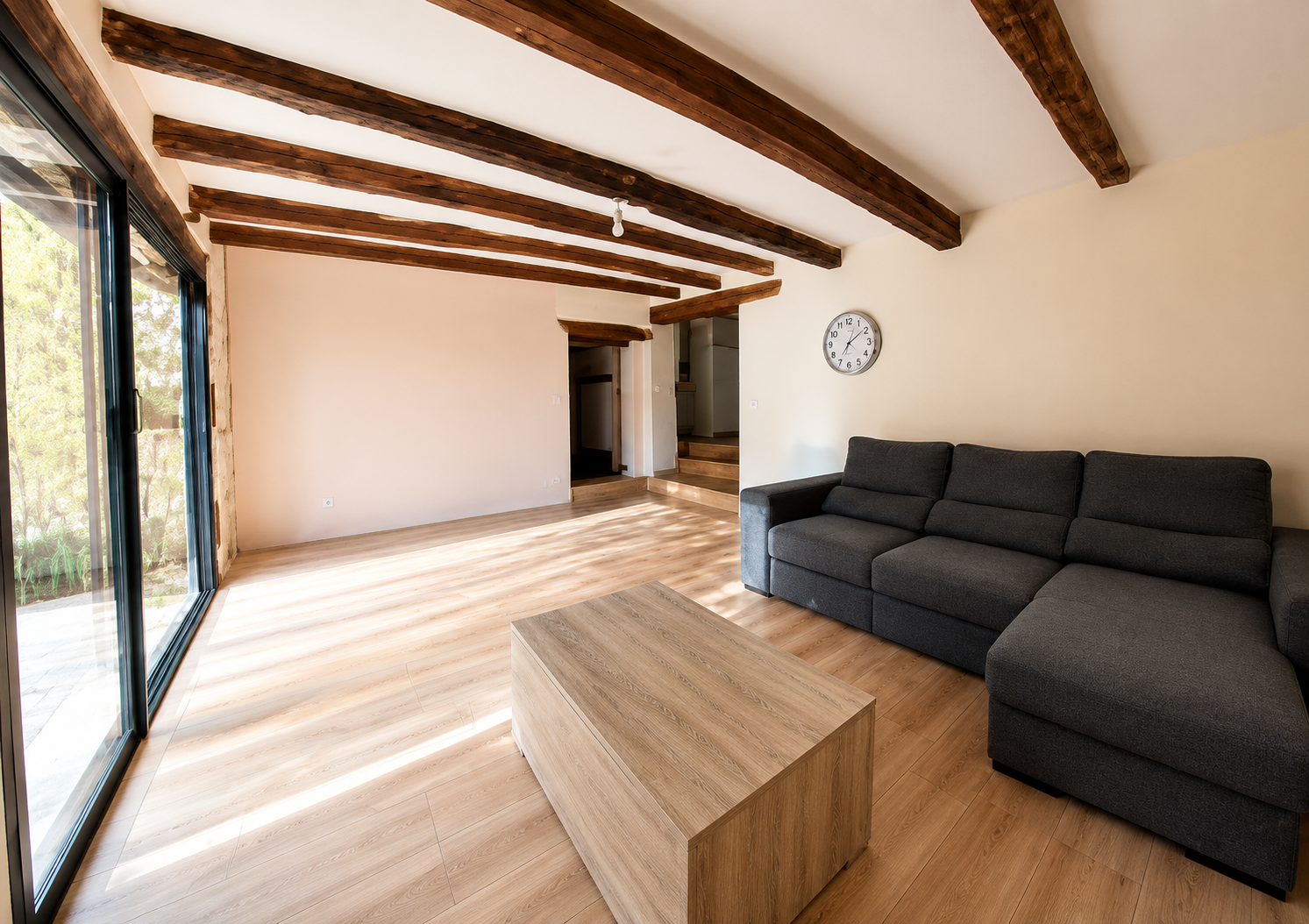
€255,000, Nissan-lez–Enserune: Modern single-storey two-bedroom house with open–plan kitchen, garden and garage, near Béziers, vineyards and the Mediterranean coast (artaxa.com)
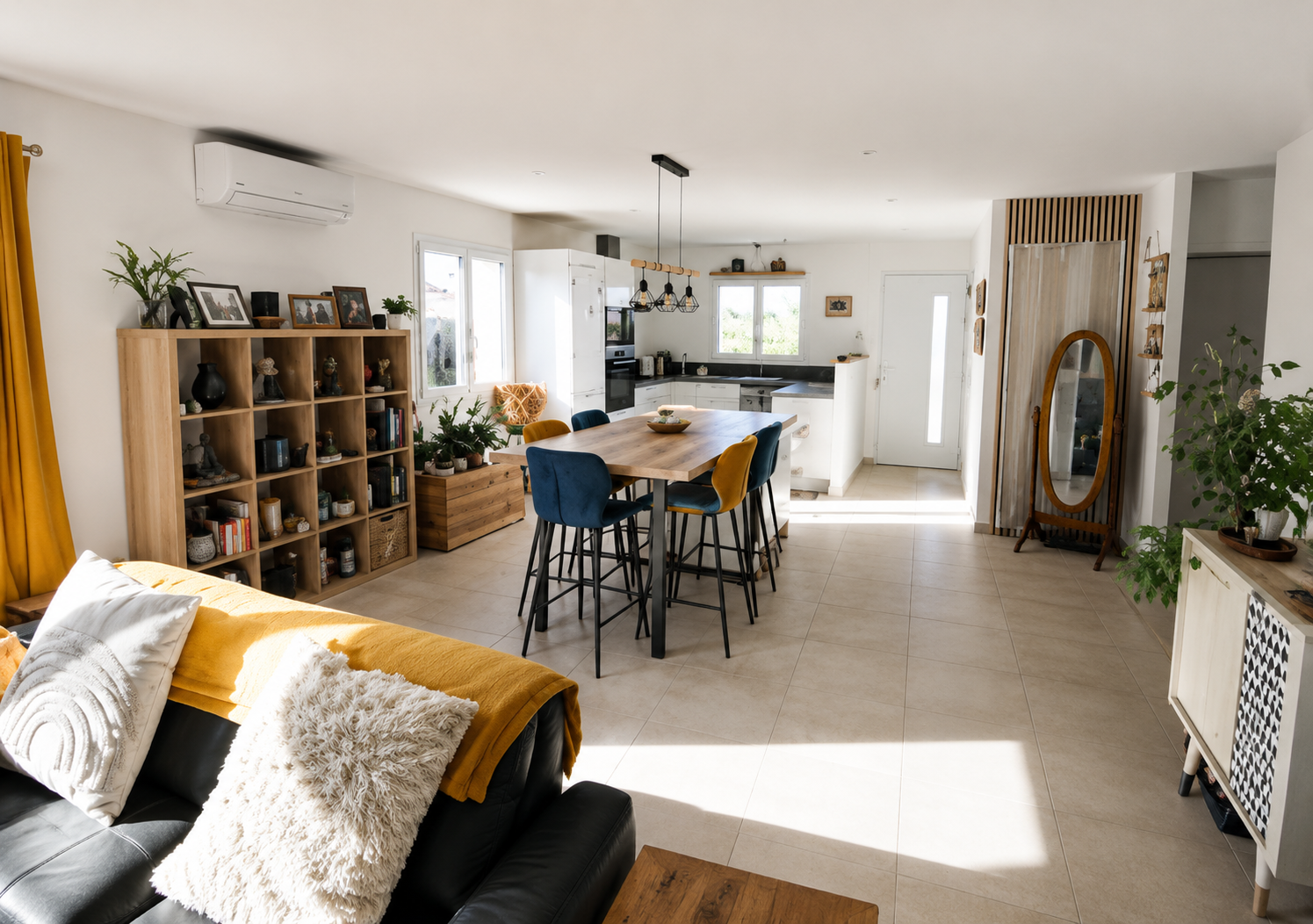
Look at the right data — not just the loudest
Online portals such as SeLoger or Bien’ici are useful starting points to see what is currently on the market. But a word of warning: at any given time, around 70% of listings are priced at least 10% above their true market value. Sellers test the waters, agents compete for mandates, and prices often drift downwards over time.
For that reason, if you are researching active listings, pay more attention to the lower end of the price range than the top.
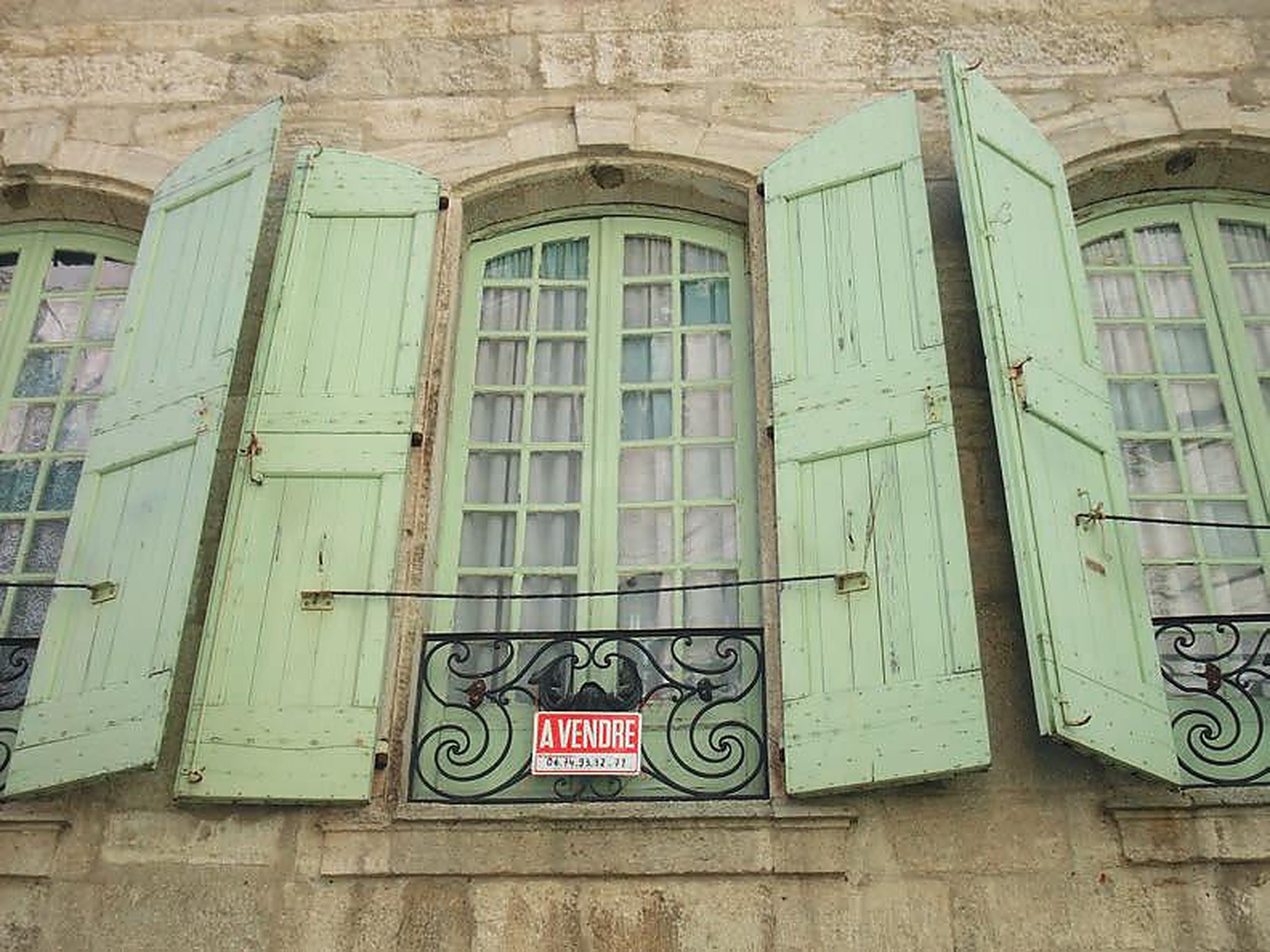
Some estate agents may inflate the sales price to win the mandate, then reduce the price over time to sell it
A far more reliable – and surprisingly little-known – source of information is the government’s DVF database (app.dvf.etalab.gouv.fr). This platform shows actual sale prices for properties sold over the past five to 10 years, depending on the commune. The government’s DVF database is a little-known but surprisingly reliable source providing actual sales prices It is not the most user-friendly tool and does require some practice to navigate properly, but it offers something invaluable: reality. Ultimately, the only true measure of value is what buyers have actually paid.
2) ESTATE AGENTS’ VALUATIONS
Useful, but ask questions
The most commonly used approach is to request an avis de valeur from one or more local estate agents. When the agent is experienced and honest, this can be a very effective method.
However, sellers should remain alert. Agents are often competing with one another and may be tempted to give optimistic valuations to secure a mandate. In practice, this can mean figures 10% to 20% above market value.
Some agencies even operate a deliberate strategy of overpricing by around 20 in order to win an exclusive mandate, then gradually reducing the price over a six to nine-month period.
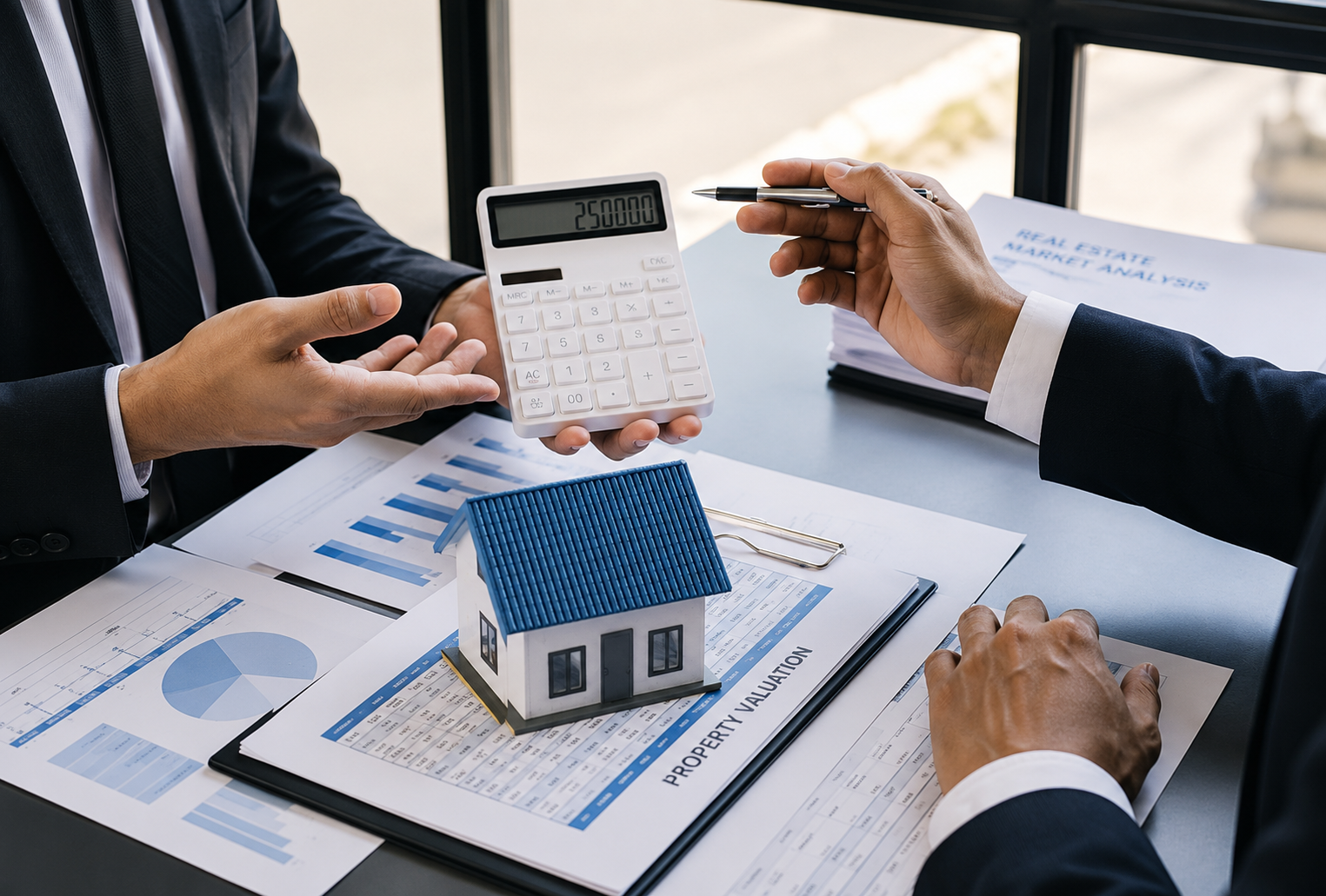
Context is important: for instance, property sales surged post-Covid
“France has many atypical homes, where experience and market feel really matter”
It may sound shocking, but it happens. A good agent should be able to justify their valuation with concrete examples of comparable properties that have sold, not just those currently for sale. A proper étude de valeur should reference recent transactions so you can understand how the final valuation figure was reached.
That said, not all properties fit neatly into comparison boxes. France has many unique and atypical homes, where experience and market feel really matter. A good agent should know what is selling, what has sold recently and what budgets are actively coming into the market.
One important — and often overlooked — question to ask is simply: how many properties have you sold?
The French real estate sector sees a constant influx of new entrants. It is not uncommon for around 60% of sales negotiators to leave the profession within six months. An enthusiastic newcomer may be charming, but they may well know less about the local market than you do. Experience counts — un agent qui a de la bouteille.
3) CALL IN THE EXPERT
The third option is to instruct a qualified property valuation expert: Typically, they will be a member of the Syndicat des Experts Evaluateurs Immobiliers de France. These professionals produce in-depth valuation reports designed for legal and fiscal purposes: divorce, inheritance, disputes, donations or company structuring. Their work is comprehensive and impartial. An expert will analyse sold prices, consult local agents, review planning constraints, examine the state of the property and apply recognised valuation methodologies.
Cost-wise, such reports start at about €400, but they offer something invaluable: an unbiased and defensible valuation. This can be particularly worthwhile in cases of shared ownership, family transfers, or disagreement between co-owners.
The objective is to determine the valeur vénale of the property – the price that a willing buyer and a willing seller would agree in normal market conditions.
How experts value property
Experts use several recognised methods, including:
Comparison method:
Analysing recent and comparable sales
Replacement value: The cost of buying the land and rebuilding
Income approach: Based on net rental income and yields (typically lower in cities than rural areas)
Development value: Assessing what the land would be worth if redeveloped While many methods exist, the comparison approach remains the most commonly used to establish market value.
DON’T FORGET THE MARKET CYCLE
One final – and crucial – point: Context matters. The French property market experienced an exceptional surge during and immediately after Covid. Transactions peaked in 2021 at around 1.25 million sales, before falling to below 800,000 in 2024. Prices rose sharply during this period, but momentum has since slowed down. When analysing historic data, especially from 2021, 2022 and early 2023, it is sensible to apply a 10% to 20% discount to reflect current conditions. Yesterday’s peak prices are not always today’s reality.
So, are you confused? Perhaps a little, but not irretrievably so. If you need absolute clarity and a firm stake in the ground, an expert valuation is the gold standard. Estate agents remain an excellent source of information, provided you ask the right questions and choose someone experienced. DIY research is perfectly possible, but only if you base your conclusions on actual sold data, not wishful thinking. In property, as in life, knowledge beats guesswork every time.
Paddy Gibbins is the Managing Director of Artaxa Immo Sarl, an international agency covering Hérault, and is also an Expert en Immobilier with Syndicat des Experts Evaluateurs Immobiliers de France
The unique mix of legal, financial and tax advice along with in-depth location guides, inspiring real life stories, the best properties on the market, entertaining regular pages and the latest property news and market reports makes French Property News magazine a must-buy publication for anyone serious about buying and owning a property in France.

Lead photo credit : © SHUTTERSTOCK