
Vendée: French Property Location Guide
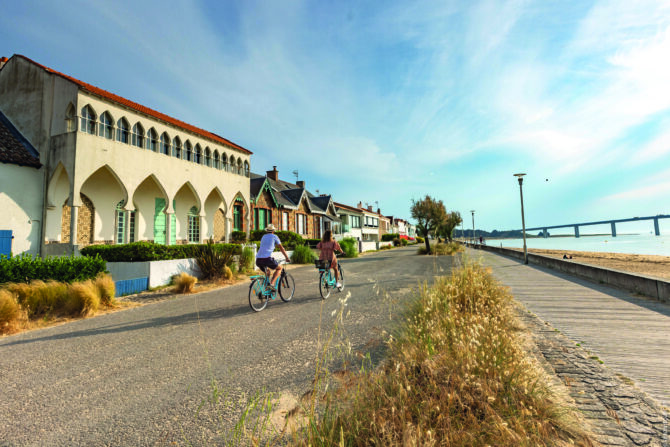

With its distinctive landscapes – ranging from sandy beaches and islands to the Marais Poitevin wetlands and rolling countryside – the Vendée is hard to beat, writes Karen Tait
If you’re looking for tranquil countryside, family-friendly seaside resorts, outdoor activities, great infrastructure and a sunny climate – all an easy drive from the UK – the Vendée ticks a lot of boxes.
One of the Pays de la Loire’s five départements, the Vendée is on the Atlantic coast with 140km of gently sloping sandy beaches ideal for swimming, sunbathing, surfing and sand yachting-backed by dunes and pine forests, and punctuated by popular resorts such as Les Sables-d’Olonne, La Tranche-sur-Mer and St-Jean-de-Monts. The 1,300km Vélodyssée cycle route follows the shoreline, and just off the coast are the tranquil islands of Noirmoutier and Yeu. Naturally, seafood is a speciality, including oysters and mussels.
Inland, you’ll find ancient churches, abbeys and châteaux, pretty villages, rolling ‘bocage’ countryside, thousands of marked footpaths and cycling trails, rivers and lakes, and golf courses. The historical theme park Puy de Fou, with its spectacular live shows, is visited by over 1.45 million visitors per year, and the main town is La Roche-sur-Yon.
In the south of the department, the landscape changes yet again to the magical marshland of the Marais Poitevin, where boats drift gently past charming houses and villages.
CÔTE DE LUMIÈRE
The Vendée is one of the sunniest areas of the French Atlantic coast, with over 2,200 hours of sunshine a year – so it’s no surprise that the coast is known as the Côte de Lumière. Warm, pleasant summers and mild winters make it the ideal place for those seeking a holiday or retirement home.
Each seaside resort has its own character, from picturesque ports to authentic fishing villages, dynamic seafront towns and unspoilt natural areas. Although property prices on the coast are higher than the departmental average, there’s great rental income potential.
The vibrant resort of Les Sables d’Olonne features a long Grande Plage, a marina, nightlife, restaurants and year-round events, including the world-famous Vendée Globe yacht race. Its seafront promenade, the Remblai, runs along the bay, lined with cafés and 18th-century townhouses and seaside villas. The town even has the narrowest street in the world: Rue d’Enfer, recorded in the Guinness Book in 1986. There’s a good mix of locals and tourists, and excellent services.
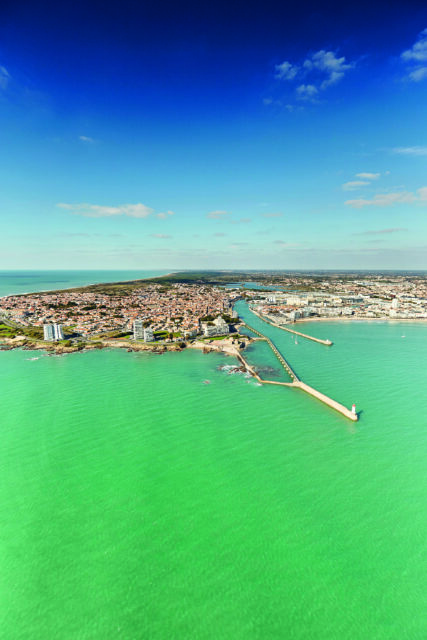
Geared toward families, St-Jean-de-Monts offers an 8km Blue Flag beach, dunes and pine forests, with over 500km of cycle routes and varied outdoor activities.
La-Tranche-sur-Mer-known as Vendée’s ‘Little California’ for its surf culture – boasts 13km of sandy beaches, dunes, forest trails and traditional whitewashed houses. It carries the Famille Plus label and embodies a laidback coastal lifestyle with family appeal.
St-Gilles-Croix-de-Vie is the largest sardine port on the west coast of France; you can buy fresh fish directly from local boats. The pretty port blends charming fishermen’s houses and elegant 18th-century villas, while its 3.5km stretch of beach hosts diverse watersports.
At the southern end of the Vendée coast, at the mouth of the River Lay, the twin resorts of La-Faute-sur-Mer and L’Aiguillon-sur-Mer are less touristy, again with long sandy beaches as well as nature walks ideal for birdwatching – plus good value properties.
Other appealing resorts include St-Hilaire-de-Riez (Corniche Vendéenne coastal walk), Talmont-St-Hilaire (medieval château and modern marina), Brétignolles-sur-Mer, Brem-sur-Mer (AOC vineyards), Jard-sur-Mer, Longeville-sur-Mer, St-Vincent-sur-Jard and La Guittière. Along the Payré estuary, dinosaur footprints dating back 200 million years are visible at low tide, forming a unique palaeontological site.
ISLAND IDYLLS
Accessible via the Passage du Gois causeway at low tide only, the Île de Noirmoutier mixes salt marshes with 40km of unspoiled beaches and quaint fishing villages like Noirmoutier-en-l’Île and L’Herbaudière. Traditional fleur de sel harvesting is still practiced here. Noirmoutier commands higher property prices, but there’s strong rental demand too.
At just 10km by 4km, the Île d’Yeu is prized for its rugged coast, prehistoric dolmens (including the Pierre Tremblante, a large, naturally balanced rock), medieval fortress and ancient capital St-Sauveur. Accessible by ferries to Port Joinville, it feels authentic and naturally beautiful despite summer crowds.
GREEN VENICE
From the Atlantic ocean to the tranquil waterways of ‘La Venise Verte’… In southern Vendée, the Marais Poitevin is one of the largest wetlands in Europe and a regional natural park, where canals and countryside entwine. It’s the perfect setting for ‘slow tourism’ – the best way to explore is aboard a ‘barque’, a traditional flat-bottomed boat, and there are many walking and cycling trails too. Home to over 250 species of birds, fish, amphibians and plants, it’s a nature-lover’s paradise.
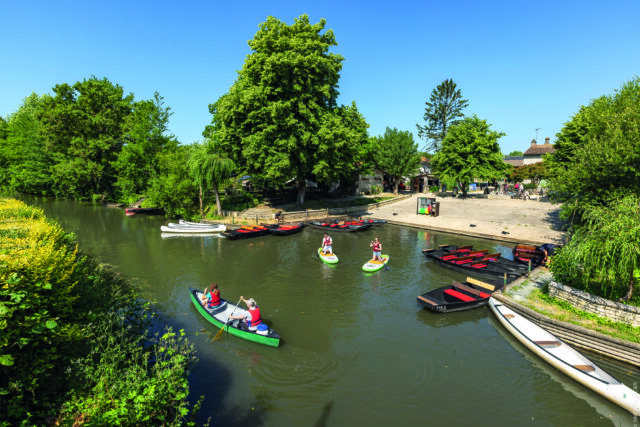
There’s also a dried marsh area, protected from flooding and rich in aquatic flora. The marshes merge with the sea at the Baie de l’Aiguillon, where the landscape changes with the rhythm of the tides.
The main town and gateway to the Marais Poitevin, Coulon, on the Sèvre Niortaise River, has pretty quays, old stone houses, flower-filled streets and a waterfront lined with boats and wooden pontoons. There are riverside cafés and local artisanal shops, and many of the buildings feature the local architecture of slate roofs, pale stone walls and blue shutters.
Other charming villages include Arçais, Maillezais and Damvix. Also visit the Abbaye de Maillezais, once a strategic medieval stronghold, and the Maison du Marais Poitevin in Coulon, where you can learn all about the marsh’s eco-history.
BUCOLIC BOCAGE
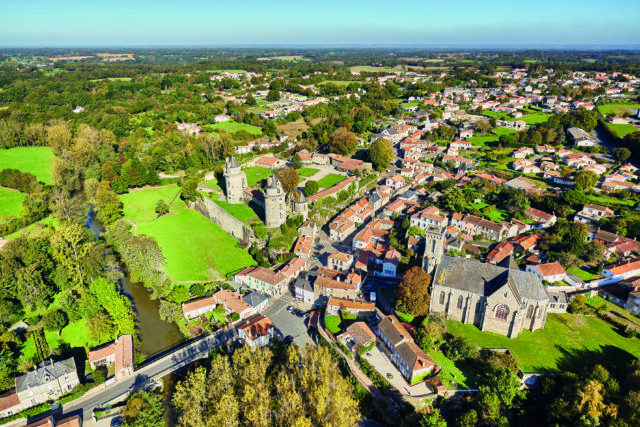
Inland, the landscapes transform again, to the bucolic beauty of the ‘bocage’ countryside, where hedgerows, meandering rivers, wooded valleys and pretty villages are in complete contrast to the coastal resorts.
At the heart of the Vendée, the departmental capital La Roche-sur-Yon was founded as an administrative centre by Napoléon; his engineers designed the ‘new’ town, a large pentagon made up of five boulevards, a grid plan of streets and a three-hectare central square, Place Napoléon. The town has a rich architectural heritage, many restaurants and plenty of cultural events. It’s home to the Haras de la Vendée, one of France’s top stud farms. Less touristy with modern amenities, La Roche-sur-Yon makes a good choice for year-round living.
Challans is another town that’s ideal for a full-time move – just 15 minutes from the coast, it has shopping, medical services, schools, good infrastructure and steady property prices.
In northern Vendée, the hills of the ‘haut bocage’ provide a scenic backdrop for the Sèvre valley, while the lowlands or ‘bas bocage’ are made up of verdant valleys and gentle forest-clad slopes. Several rivers flow through the area, including the Vendée’s main waterway Le Lay.
Those seeking outdoor activities will find 350km of long-distance walks, 1,300km of short distance paths and 400km of cycling routes, while history buffs will be treated to ancient washhouses, standing stones and mills, especially along the Sèvre Nantaise valley.
The Vendée’s historically strategic location – between the Duchies of Poitou, Anjou and Brittany – is visible in the medieval fortresses and castles built on high land, including Chateaumur, Pouzauges, Tiffauges and St-Mesmin. Encircled by ramparts and watching over the valleys are the towns of Mallièvre, Montaigu and Mortagne-sur-Sèvre.
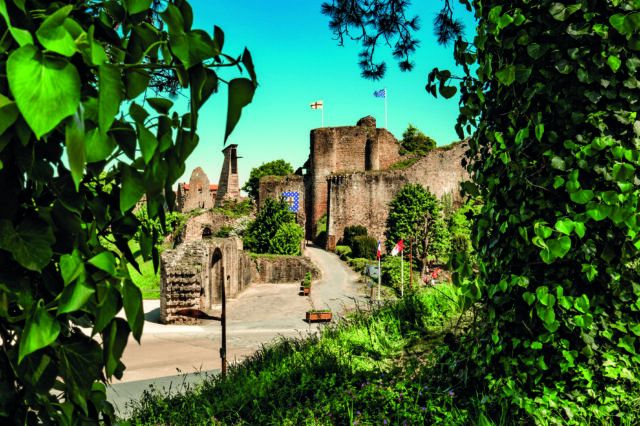
Many of the bocage villages were built around their churches, with tall bell towers of slate or stone; the surrounding houses have terracotta tiled roofs, with a few slate roofs reserved for bourgeois houses.
Notable religious buildings include Pouzauges’ church with its 13th-century murals, the Priory of Grammont, founded in the 12th century by Richard the Lionheart (who liked to hunt in the area), the fortified church of Boupère and the abbeys of La Grainetière and Maillezais. In the heart of the ‘Suisse Vendéenne’ area, St-Laurent-sur-Sèvre is known as the ‘holy city of the bocage’ and was visited by Pope John Paul 2 in 1996.
HOME COMFORTS
The Vendée offers an appealing mix of peaceful countryside and villages with active resorts and historic towns. The coast is not as crowded as some seaside areas, such as the Riviera, but there’s plenty to do, suiting families and nature and history lovers. The lifestyle is relaxed, crime rates are low and while the area feels authentically French, there’s an existing British community. Access is easy too, with good road links (A87 and A83 autoroutes), high-speed TGV rail (Paris in under three hours) and Nantes airport with its UK connections.
The Vendée offers good value for money when it comes to property, especially compared to the coastal south of France, and there’s great potential for holiday rental income. Househunters can find everything from charming stone cottages to townhouses and modern villas with pools.
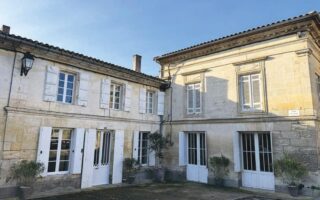
“The typical Vendée house is the longère, a long rectangular shape on one level, sometimes with a first floor added,” says Alison Taylor of Leggett Immobilier. “There are also castles, manor houses, farms and converted barns and many styles of architecture along the coast.
“Around 10-20km inland, it’s possible to find a residential or holiday property in need of some refreshment or renovation for €150,000 to €200,000; alternatively, choose a one-bedroom apartment near the coast. €200,000 to €350,000 will buy a coastal two-bedroom apartment or house, a larger inland property in a town or in a more rural location. €700,000 to €1m will buy a luxury property in St-Gilles-Croix-de-Vie with four to six bedrooms and a large garden with pool.”
Unsurprisingly, in prime coastal positions, properties are more expensive. “Prices vary greatly depending on the area,” says Laura Sanson of Coldwell Banker Immobiliere.
“A three-bedroom villa or apartment facing the sea in Les Sables-d’Olonne can easily exceed €1m. In Noirmoutier and Île d’Yeu, there are few properties below €800,000, and prices can rise to €4m for exceptional properties.” She adds that “St-Gilles-Croix-de-Vie offers interesting properties
that are 10-15% cheaper than Les Sables-d’Olonne because the town is less attractive outside the summer season. For budgets under €300,000, look about 20km from the coast.”
The most sought-after area she says is “south of Les Sables-d’Olonne, the coastal towns with superb beaches (Talmont-St-Hilaire, Jard, St-Vincent, Longeville, La Tranche) or more authentic villages near the sea (Moutier, Mareuil, Chaillé, St-Cyr)” while an area to watch is the “development of the Bourgenay Golf Course, the new Port Bourgenay Marina. Tourist and urban amenities make Talmont-St-Hilaire the town that is expected to experience very strong growth over the next decade”.
The variety of landscape and available properties makes the Vendée suitable for most househunters, whether you’re seeking charming stone village houses, country farmhouses to renovate, or apartments or houses by the ocean.
Looking for more like this?
Every issue of French Property News delivers in-depth regional buying guides, sound and trusted advice from leading experts, inspirational real life stories, renovation tales and lots of lovely properties to browse.

Share to: Facebook Twitter LinkedIn Email
More in property guide, Vendee
Related Articles


By Karen Tait
Leave a reply
Your email address will not be published. Required fields are marked *