
Maintaining Your French Swimming Pool: How to Treat Pool Algae
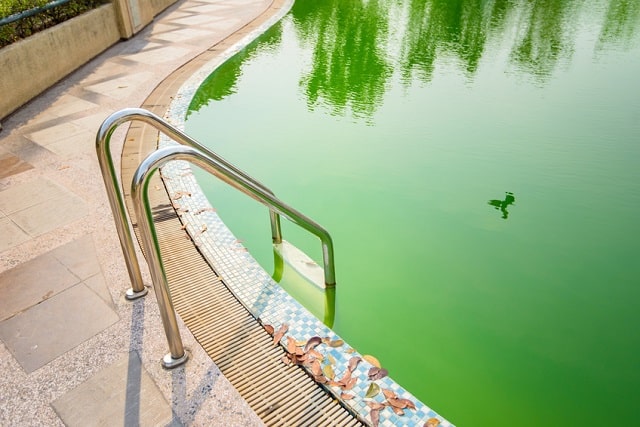
Most of us who work on pools or own a pool will have at some time encountered algae in one form or other, but what form? Algae can grow as a result of several things but is usually most prolific in the summer months
Most pool owners will come across algae at some point. It is one of the most common swimming pool problems, especially in warm weather, after heavy rain, during periods of poor filtration, or when water balance slips out of range.
Algae can arrive for all sorts of reasons: inconsistent maintenance, low disinfectant levels, poor circulation, debris in the water, hot weather, or simply leaving the pool unattended for too long. The good news is that, in most cases, it can be prevented with regular care and dealt with before it gets out of hand.
The key is to act early. A pool that is just starting to turn can usually be recovered fairly quickly; a pool that has been left to go fully green will take far more work.
How to Prevent Algae
The simplest way to stop algae taking hold is to keep the pool clean, the water moving and the chemistry in range. Brush the walls, steps, corners and other low-circulation areas regularly, vacuum debris from the floor, and make sure the filter is clean and working properly. Warm weather, heavy pool use and storms usually mean filtration needs to run longer, not less. Preventative algaecides can help in some cases, especially before going away, but they should support good maintenance rather than replace it.
The main types of algae
Green algae is the most common and is usually what causes a pool to look cloudy or turn green.
Yellow or mustard algae tends to cling to walls and shaded areas and can be more stubborn.
Black algae appears as dark spots attached to rougher pool surfaces and is often one of the hardest forms to remove.
Pink algae is not actually algae at all, but a bacterial slime that can appear around the waterline, behind ladders and around fittings.
How to get rid of algae
Start by brushing the affected areas thoroughly, then test the water and correct the pH before treatment. This is important because if the pH is too high, chlorine will not work as effectively. Once the water is balanced, use the appropriate shock or recovery treatment for your pool type and keep the filtration running continuously until the water clears. Clean or backwash the filter regularly during this process, because a blocked filter will slow recovery.
Some types of algae, especially black or mustard algae, may need repeated brushing and more than one treatment. A green pool can often be recovered without too much trouble if you act quickly, but the longer it is left, the more work it will take.
Should you drain the pool?
Usually not. In most cases, even a badly affected pool can be recovered without draining it. Draining should be a last resort, especially for liner pools, where doing so incorrectly can cause damage.
Chlorine is what kills algae, but chlorine alone is not the whole story. If you want to keep algae away, you need the right sanitiser level, the right pH, good filtration and regular cleaning. Get those basics right and algae is far less likely to take over your pool.

Want more help with your France property journey? Join Membership, search our Property Portal, subscribe to French Property News, and follow our YouTube channel for the latest advice and updates. Join us at the French Property Exhibition for expert advice and property inspiration.

Share to: Facebook Twitter LinkedIn Email
More in Pool maintenance, summer, swimming pool, swimming pools, work
Related Articles

Leave a reply
Your email address will not be published. Required fields are marked *