A Guide to Grants and Assistance for Starting a Business in France

Increasing numbers of people are starting a business in France, but what help can they expect at a national or regional level? Catharine Higginson explores the availability of grants and other assistance for entrepreneurs
While France has a reputation for being a nation of fonctionnaires (civil servants), the reality is far more nuanced, and the last few years have seen increasing numbers of people starting their own businesses. This is probably in part due to the simplicity of starting up as a micro-entrepreneur, but the extensive grants or aides available in France also play a part.
Specific aides are geared to different sectors of the populace including young entrepreneurs, women, the unemployed, people who have been made redundant and are retraining, and those with innovative projects. And this list is by no means exhaustive!
The type of help available includes tax exoneration and ongoing help and support in addition to financial assistance.
CASH INJECTIONS
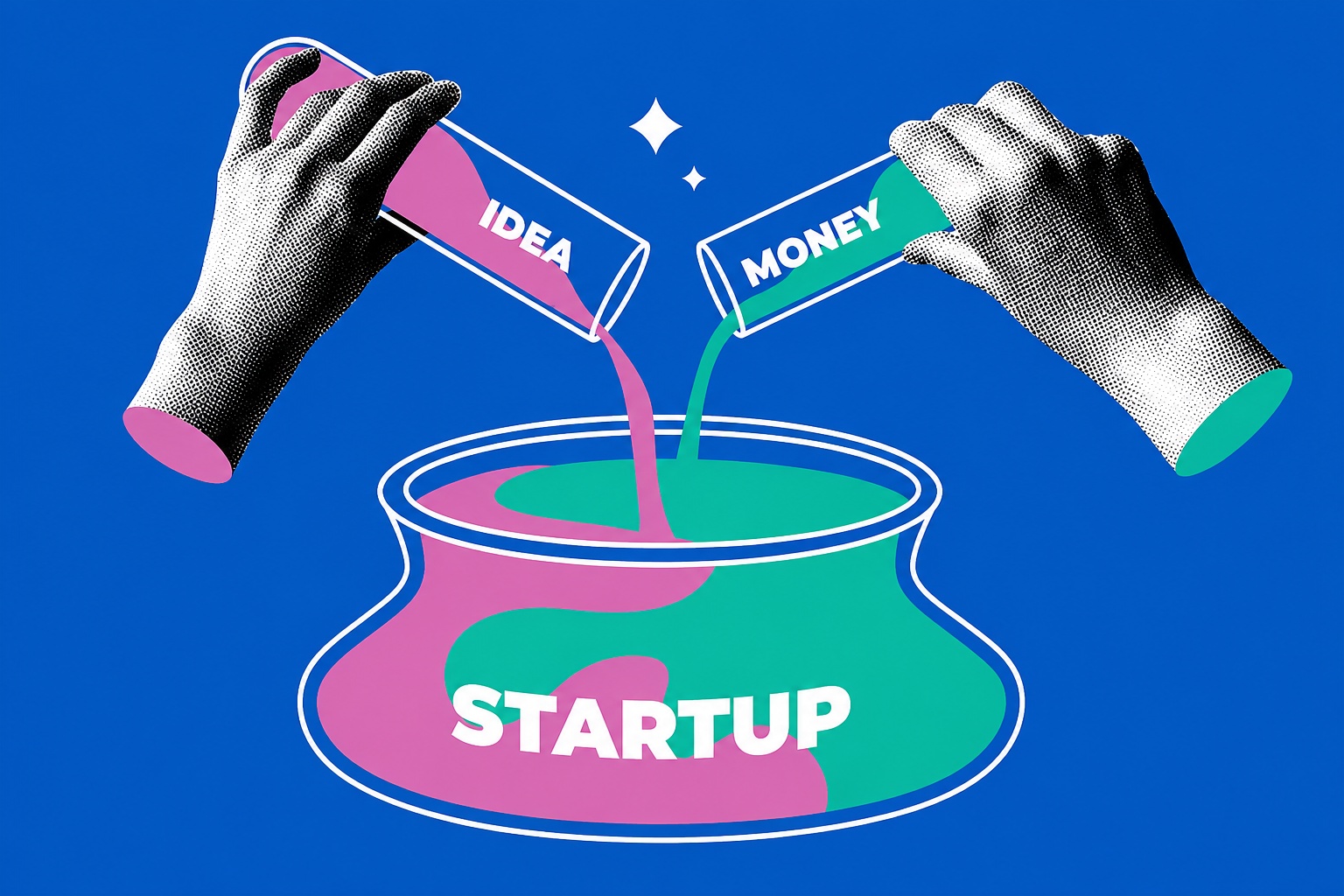
The type of help available can be divided into three main categories. Firstly, there is what is referred to as les aides financières directes. These cover cash injections and making access to obtaining loans easier, and are generally in the form of grants, loans at zero percent interest or bank guarantees.
They include subventions à la création which allow start-ups to finance initial investments, pay for administrative costs and help with cashflow. They are administered by the state, regional departments or certain government agencies.
Then there are the prêts d’honneur, administered by various different networks such as Initiative France or Réseau Entreprendre. They provide a means for the business to borrow interest free and without providing a personal guarantee. There are also fonds de garantie available; these make accessing bank loans easier as they provide a guarantee for part of the risk being taken on by the bank.
Those on a low income can seek help with rent and mortgage payments
SOCIAL CHARGES
The next type of assistance covers what is referred to as les dispositifs fiscaux et sociaux. Starting a business may allow you to benefit from lower or exonerated social charges depending on your personal circumstances and location. These tend to apply to the young, unemployed and those in ‘priority’ zones.
The ACRE (aide à la création ou à la reprise d’entreprise) gives partial exemption from social charges over a fixed period and the ARCE (aide à la reprise et à la création d’entreprise) provides for the partial payment of unemployment benefits as two ‘lump sums’ when starting a business. Lower taxes may also kick in if you are in a specific geographic zone, notably deprived urban areas or rural zones designated as needing development.
HELPING HAND
The third form of assistance available covers help and support and this can be absolutely invaluable. There are numerous organisations, both public and private, that offer either free or subsidised support. Individual support is also offered by France Travail and structures such as the Chambres de Commerce et Industrie (CCI ) and the Chambres de Métiers et de l’Artisanat (CMA) or business incubators. The latter are often supported by public or private funding which has been put in place to support specific projects or groups of people such as younger entrepreneurs, women or people switching careers (en reconversion). There is also assistance to put together the paperwork required to apply for grants. Given that France is notorious for its paperwork, and that many of the aides require detailed documentation, this is a much needed and appreciated part of the ‘help’ on offer.

You can even get help with the paperwork required to apply for grants
“From 2023-2024, the government allocated some €12m to support the creation of shops and commercial ventures in isolated rural areas”
WHO IS ELIGIBLE?
And for what? The most important point to note is that the criteria varies according to personal circumstances and elements such as your professional and social situation, age and the type of project concerned.
If you are registered unemployed with France Travail you may be able to continue to receive unemployment benefits during the start-up phase along with benefits mentioned previously such as the ACRE and ARCE. France Travail will also assist with the business plan and any training requirements, and can steer you towards other partner organisations who may be able to help.
Those aged 26 and under are eligible for a variety of aides, often financed by the state, regions and universities. There is the contrat d’engagement jeune (CEJ), which offers an enhanced level of start-up support with possible financial assistance; students can opt for the étudiant-entrepreneur status which allows for business start-up and support from the PÉPITE network while studying and various regional grants are also available.
There are also numerous programmes designed to support female entrepreneurs such as the FGIF (fonds de garantie à l’initiative des femmes). This offers a bank guarantee to facilitate obtaining loans. There are also different regional proposals including grants, business incubators and project/contract tenders which are reserved for women. Numerous specialist business networks for women exist, such as Force Femmes, Action’elles and Bouge ta boîte, which are well worth exploring.
Those in receipt of RSA (income support equivalent) are also eligible for start-up help. Depending on personal circumstances you may be entitled to the ACRE, ARCE, the continued payment of benefits, local or departmental grants and assistance along with support and coaching. If you are or have been employed and changing direction, perhaps due to redundancy, or have resigned to start up a business, the CPF de transition/projet de transition professionnelle (PTP) will apply. These help to finance a related training course and you may be entitled to unemployment benefits. Those made redundant will qualify for the contrat de sécurisation professionnelle (CSP) which provides an extra level of help.
TAILORED TO YOUR NEEDS
Help is also available for those aged 50 and over. The ACRE is a possibility along with specific regional grants and assistance, and being able to combine working with drawing a pension.
If you have a project which is considered ‘high value’ in terms of innovation or technology, and are classified as an entrepreneur innovant, you may receive extra assistance in the form of help, grants and loans, strategic assistance, financing and the provision of a workspace in a French tech or state business incubator; and should you qualify for statut de jeune entreprise innovante (JEI) status, you may be entitled to lower taxation and exoneration from social charges.
And last but very much not least, specific targeted help is available for the disabled to improve and increase their professional autonomy. This includes the AGEFIPH, which encompasses financial assistance with start-up, personalised support and help with ensuring that the working environment is tailored to their needs. They are also able to access the ACRE and ARCE, plus various exonerations depending on the business statute and support with getting the project of the ground.
LOCAL LEVEL
It’s clear that there is a lot of help available in France for different categories of people wishing to start a business. It’s also vitally important to remember that depending on the type of business, there may be extra help available at either state or regional level.
For example, during the period 2023-2024, the government allocated some €12m to support the creation of shops (including mobile shops) and commercial ventures in isolated rural areas.
With up to €80,000 available per applicant and up to 50% of the cost of acquiring and fitting out premises being met, this type of help has proved invaluable for many small businesses.
Starting a business is never easy and doing it as someone who has moved to France is certainly challenging. But it can be done and the different forms of assistance available, whether monetary or as guidance, will definitely help you on your way.
Top Tip
If you’re thinking about setting up a business in France, do your research! Grants vary enormously from region to region, with the less populated and poorer regions often providing far more help and support. So it makes sense to spend time researching exactly what is available in your target area before going any further.
Lead photo credit : © SHUTTERSTOCK
Share to: Facebook Twitter LinkedIn Email
More in business assistance, entrepreneur, financial help, grants, micro-entreprise, starting a business in France
Related Articles



Leave a reply
Your email address will not be published. Required fields are marked *