Becoming a Vigneron in France: A Comprehensive Guide to Winemaking
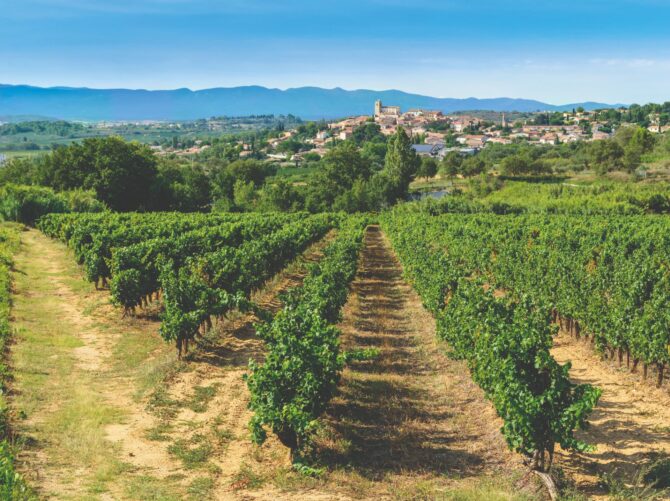
Do you dream of making wine in the south of France? In this comprehensive guide, Paddy Gibbons explains what’s needed to become a vigneron in Languedoc…
The Languedoc, stretching along France’s sun-drenched Mediterranean coast, has quietly become one of the most exciting wine regions in Europe. Once known mainly for quantity, today it’s a patchwork of ambitious vignerons crafting wines with elegance, character and a clear sense of place. It’s also one of the few regions where an adventurous buyer can still find a vineyard for a fraction of the price of those you’ll find in Bordeaux or Burgundy.
Do you dream of swapping your desk for the vines? But how do you go from romantic daydream to running your own domaine? This guide takes you through the process – from finding your vineyard to surviving your first harvest with insights from those who’ve made the leap.
shutterstock
1. BUYING A VINEYARD

shutterstock
A working wine estate is more than just rows of vines. When you buy a vineyard, you’re purchasing an entire living, breathing business. The main components usually include:
- The real estate – family home, winery buildings, guest accommodation, vineyards and cave de vente.
- The vineyard itself-consider the age, condition, grape varieties, planting density and potential yields. Vinification equipment -tanks, barrels, bottling line, presses, pumps and filters.
- Agricultural equipment -tractors, sprayers, trailers and cultivation tools.
- The brand and goodwill, ‘fond de commerce’ – the name, reputation and market presence.
- The client list – existing customers, distributors and export contacts.
Some domaines are sold as ‘fonds de commerce’ (business goodwill) with all assets, while others are just land and vines, meaning you’ll have to start the brand from scratch.
While there are specialist vineyard brokers, you may find more choice through mainstream French real estate. Many listings don’t shout ‘vineyard’ in the title – search for ‘propriété viticole’ or ‘maison avec vignes’ or ‘domaine viticole’ to uncover hidden gems.
Buyer’s checklist:
- Last three years’ accounts
- Verify vineyards ‘cépage’, age and general health
- List of equipment and stock
- Understand sales channels
- Confirm zones and agricultural rights

shutterstock
2. TWO TYPES OF VIGNERON
shutterstock
Before buying, decide what sort of winemaker you want to be. Broadly speaking, there are two different paths:
- The cooperative grower
You cultivate your vines and sell the entire harvest to the local cave coopérative. It makes the wine, markets it and distributes it. Your job is purely agricultural. This option gives a more predictable income, but less creative control. - The independent winemaker
You grow, harvest, vinify, bottle and market your own wines. This offers the most creative satisfaction, but it’s also the most demanding. You’ll be farmer, chemist, marketer and salesperson rolled into one.
3. QUALIFICATIONS AND TRAINING

France takes its wine seriously you can’t just buy a few hectares and declare yourself a vigneron. While there’s no absolute legal requirement for formal training if you are self-funding, having qualifications helps with:
- Accessing subsidies and agricultural loans
- Gaining credibility with suppliers and buyers
- Understanding the technical side of viticulture and winemaking in general
Common pathways include the BPREA Viticulture-Enologie (a professional diploma) or shorter courses at agricultural colleges in places like Montpellier or Béziers. Many new winemakers also apprentice with an established domaine before going solo.
For non-French speakers, some viticulture schools offer bilingual or English-friendly Enologie programmes. Expect to study soil health, pruning, pest control, fermentation science and marketing along with French agricultural law.
4. A YEAR IN THE LIFE OF A VIGNERON

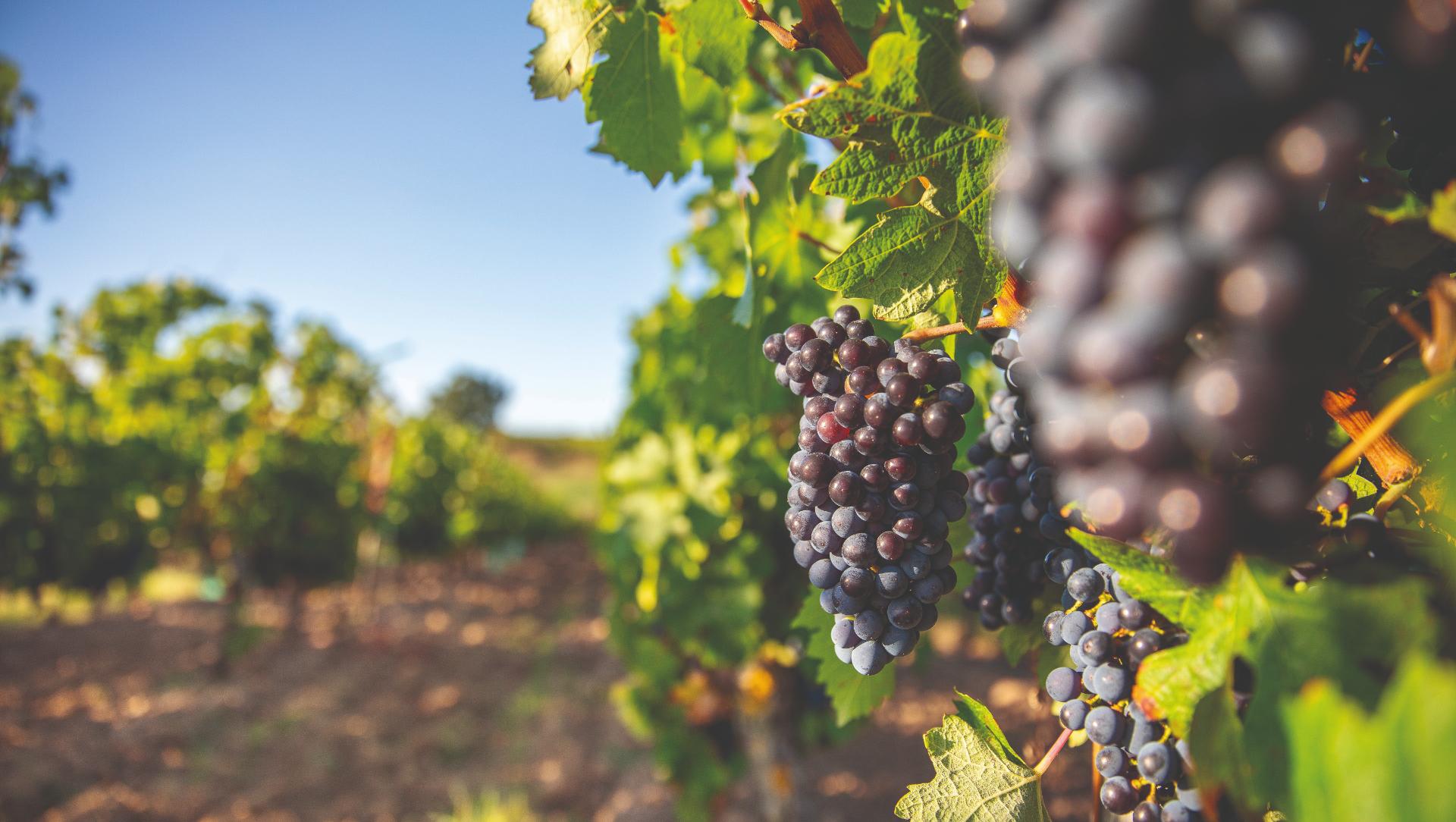
Languedoc vineyards – shutterstock
Romantic images of winemaking usually feature sunlit terraces and glasses clinking. The reality is a 12-month cycle of physical work, weather worries and constant decision-making. Here’s a taste of what you can expect:
- Winter (December-February) – Pruning season. Each vine is cut back to prepare for next year’s growth. Machinery maintenance and planning for new plantings happen during these months.
- Spring (March-May) -This is when budburst begins. Growers must monitor for frost, protect against pests and manage early growth. Weeding,
soil work and trellis repairs are key at this time of year. - Summer (June-August) -Canopy management (leaves), irrigation and disease prevention keep you busy. By mid-August, early ripening varieties are nearly ready.
- Autumn (September-October) – Harvest. Whether picked by hand or machine, grapes are gathered quickly to preserve quality. Cellar work and fermentation take over.
- November – Wines are ageing in tanks or barrels, and you whites or rosés. Winter vineyard work begins again.
It’s physical, repetitive, and weather-dependent – but for many, deeply rewarding.
5. THE LANGUEDOC ADVANTAGE
shutterstock
The Languedoc offers three major benefits for newcomers to the industry:
- Affordability – Compared to famous regions, you can find viable domaines starting from around €300,000, though prime estates reach into the millions.
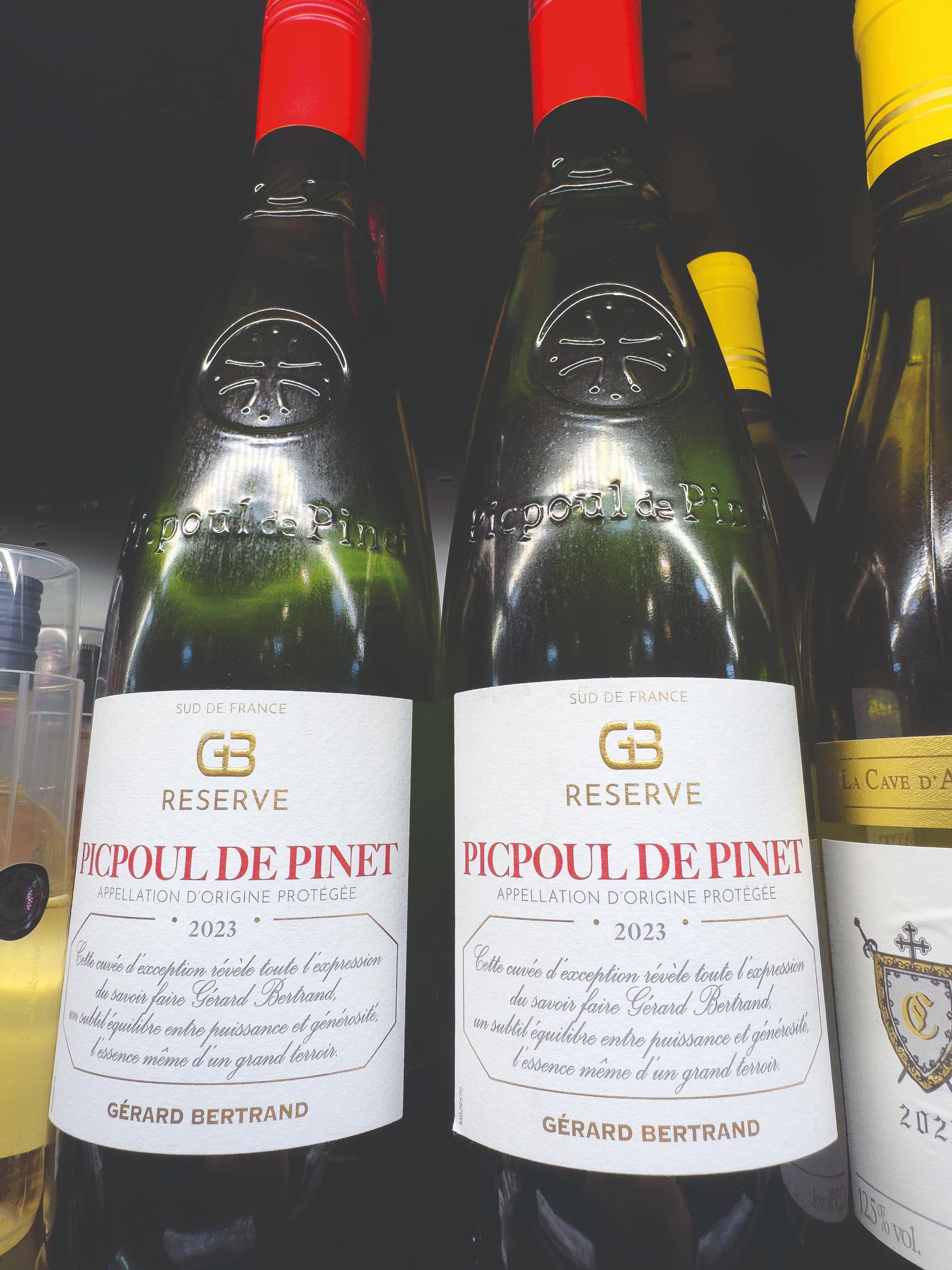
- Diversity – From crisp Picpoul de Pinet to rich Pézenas reds, the Languedoc region supports a wide range of wine styles and many grape varieties.
- Innovation – The region is less bound by tradition than Bordeaux or Burgundy, giving you room to experiment with organics, biodynamics, or unusual blends in your wines.
Becoming a winemaker in the Languedoc is both an adventure and a business It requires patience, capital, stamina and an appetite for learning. But for those willing to embrace the hard work, the rewards go far beyond the financial. You’re not just producing wine – you’re becoming part of a centuries-old tradition, shaped by sun, soil and human hands.
Paddy Gibbons is the Managing Director of Artaxa in Languedoc Tel: 0033 (0)4 67 28 20 35
The unique mix of legal, financial and tax advice along with in-depth location guides, inspiring real life stories, the best properties on the market, entertaining regular pages and the latest property news and market reports makes French Property News magazine a must-buy publication for anyone serious about buying and owning a property in France.

Lead photo credit : Languedoc vineyards - shutterstock
Share to: Facebook Twitter LinkedIn Email
More in languedoc, living in france, Vigneron, Winemaking
Related Articles


Leave a reply
Your email address will not be published. Required fields are marked *