
The Hidden Risks of Leaving Your French Holiday Home Empty Over Winter
Advice
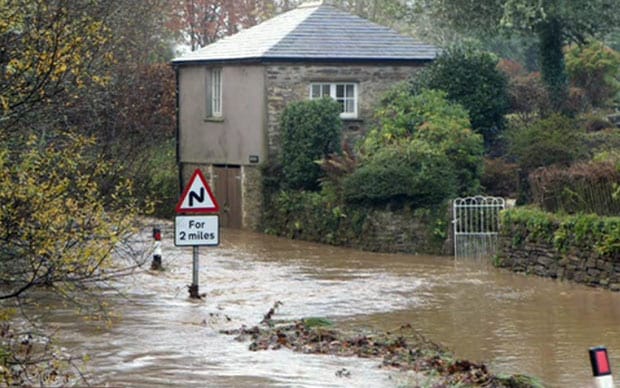

With the sunny summer days behind us, many second-home owners will soon be closing up their properties for winter and saying goodbye to France until the spring. It’s a common scenario for those with French holiday homes, but an empty property can mean that problems go unnoticed—and winter weather can increase the risks. Here are some of the hidden risks you might not have thought of.
1. Frozen pipes and water leaks
Ask insurers, and they’ll tell you that the biggest risk for French homes left empty over winter isn’t burglary—it’s a water leak. The hidden risk isn’t the leak itself, which is often a simple fix if it’s discovered promptly. In an uninhabited property, however, a leaking tap or frozen or burst pipe could continue for weeks or even months, causing flooding or extensive water damage.
Homes in mountain regions and traditional properties with older plumbing systems are most at risk, but if last year’s weather is anything to go by, sub-zero temperatures are a possibility across all of France.
Reduce the risk: Get routine maintenance done before locking your home for winter (repair damaged roof tiles, fix leaking radiators, clean the gutters), turn off the water supply and ensure there’s no water left in the pipes, and consider installing a leak detector.
2. Storms and winter weather
From snowstorms to gale-force winds to hail, winter weather can cause a slew of unwanted issues, and even minor damage like a broken shutter, cracked roof tiles, or a fallen tree can compound if left unattended over time.
Reduce the risk: Secure outhouses, vehicles, and exterior items such as garden furniture before you leave for winter; trim any loose branches from trees; turn off the mains electricity and unplug appliances inside the house; and make sure doors, windows, and shutters are securely fastened.
Sign up for weather alerts in your area on the Meteo France app and ensure that someone checks on your property after storms, high winds, or heavy snowfall. If you live in an area that is at high risk of flooding, it’s worth taking additional precautions, such as moving valuables and electronics to an upper floor and storing important documents in waterproof containers.
3. An empty home is more vulnerable to break-ins
Burglaries might not be the top risk for leaving your house over winter, but that doesn’t mean that it’s not a concern. Uninhabited homes are always an easier target for thieves, and if you’re gone for more than a few weeks at a time, it is hard to hide the fact that no one is home. While some areas are much more at risk of a break-in (cambriolage) – INSEE has a map of the most at-risk departements here – don’t assume you’re in the clear just because you live in a quiet rural area. Isolated properties in the countryside can be equally at risk when left for longer periods.
Reduce the risk: If you live in a built-up area, befriend your neighbours, let them know when you are away, and ask them to keep an eye on your property in your absence. Installing secure fencing and an entry gate is a good idea, as is automatic security lighting. A security camera and alarm system, especially one that you can check online from home, can be a big deterrent for burglars, as well as offering you extra peace of mind while back home.
Before you leave, triple-check that everything is locked, shutters are closed, and valuables are stored out of sight. If you leave a key with a neighbour or friend, give it to them in person; don’t leave it ‘hidden’ on or around the property. With no one around, thieves will have plenty of time to hunt for a spare key!
4. A problem left is a problem doubled
We touched on this earlier, but this one is worth repeating. The biggest issue when leaving a holiday home empty for an extended period is rarely the problem itself: It’s that you may not discover that leaking pipe, theft, or fallen tree until weeks or months after it happened. Leaving small problems unfixed can lead to far larger problems and a much more costly repair bill. Some insurance companies also have a minimum claims window in which you must report damage or file a claim.
Reduce the risk: While security cameras both inside and outside the property can alert you to any major issues, the only way to have full peace of mind is to have eyes on the ground. If you aren’t able to visit the property yourself, ask a neighbour or friend to check on the property regularly, pick up mail, and do a walk around to check for any potential issues. If this isn’t an option, there are also professional property management companies that will not only check on your property, but also carry out routine maintenance over winter, ensuring your property is ready to go when you arrive next spring or summer.
5. Leaving your home empty could invalidate your insurance cover
Prevention is always preferable to dealing with costly repairs later, but no matter how well you prepare your property for winter, things can and do happen—which is where home insurance comes in. However, standard home insurance policies often have a maximum number of days that the house can be left empty (usually 60–90 days, but it depends on the insurer), which means your property won’t be covered if it’s left empty for several months at a time. Policies might also have specific requirements for properties being left empty (for example, minimum heating levels, draining of pipes, and regular property inspections), and not adhering to them could invalidate your claim if something happens in your absence.
Reduce the risk: Firstly, make sure you tell your insurance company that your property is a second home and be honest about how long the property will be left empty. Don’t be tempted to cover anything up: Insurance on a second home or a short-term rental property may be more expensive, but it’s not worth the risk of being left without coverage. Make sure understand exactly what you are covered for and how to file a claim from overseas if required.
Your insurer is also a great source of advice, so don’t be afraid to voice any concerns or ask questions about how to make your house more secure. It’s in both of your interests to reduce the risk to your property, and a good insurer would rather you improved security and took out a cheaper insurance policy than have to pay out thousands on repairs that could have been avoided. Many regional insurance companies also issue real-time weather and security alerts to property owners, which can be useful if you’re not able to be there.
6. Don’t forget the risks beyond the house
Winterising your property doesn’t just apply to the house itself—and neither does insurance coverage! Make sure you secure garages, barns, swimming pools, and all other outbuildings, as well as garden walls and gates. Think outside of your own property too: In France you are liable to maintain bushes, trees, and boundary fences to ensure that they don’t encroach on or cause damage to your neighbours’ properties.
Reduce the risk: Carry out routine maintenance, trim hedges, and cut down overhanging branches before you leave for winter, and if necessary, arrange for someone to maintain your garden and grounds while you’re away. Make sure swimming pools are securely locked while you’re away.
Finally, ensure that your home insurance covers your entire property and grounds, as well as including civil liability insurance (you’ll need this if a tree from your garden were to fall and cause damage to a neighbouring property, for example).
Ready to Get Insured In France?
Whether you need homeowners insurance, car insurance, or want advice on how best to protect your French assets, FrenchEntrée is here to help! Read the rest of our Essential Reading Articles, then get in touch with our trusted insurance providers for a quote or advice on your French insurance needs.
Share to: Facebook Twitter LinkedIn Email
Related Articles



By Zoë Smith
Leave a reply
Your email address will not be published. Required fields are marked *