
Guide to State Benefits in France: Part 2

In part two of our guide to benefits in France, Catharine Higginson looks at what’s available for those of working or retirement age, including help with housing, healthcare and income – and where to keep abreast with the latest local news…
The CAF (Caisse des Allocations Familiales) is the organisation in France that is responsible for administering and paying nearly all state benefits. In the last issue we looked at the various benefits and allowances that are paid by the French state to parents and families but despite its name, the CAF is also responsible for administering all of the benefits that people of working age, and beyond, may be entitled to.
SOCIAL WELFARE
One of the best known is the RSA (le revenu de solidarité active). This payment guarantees a minimum income level of €646.52 per month for a single person and increases to €1,357.69 for a couple with two children. It is resource-based and only available to those aged 25 or over unless they are pregnant or already have a child.
This allowance becomes le revenu de solidarité for those aged between 55 and 60-the word active has been dropped as they are considered to be of pre-retirement/retirement age according to different professions. As with the majority of CAF benefits, the amount you receive is reassessed every three months and may increase or decrease if there’s been a change in personal circumstances.
La prime d’activité is another well-known benefit and this is paid to people who are working, whether as an employee or freelancer but whose income is low. It can also kick in when people have been placed on chômage partiel/technique – in other words, their employer is experiencing cash flow issues and in order to keep the business afloat, the employer can pay the employees around 60% of their salary and la prime d’activité will make up the rest. Again, this is means-tested and reassessed every three months.
It is an incredibly useful benefit and provides a real safety net for freelancers especially or anyone whose income might fluctuate from month to month.
HOUSING HELP
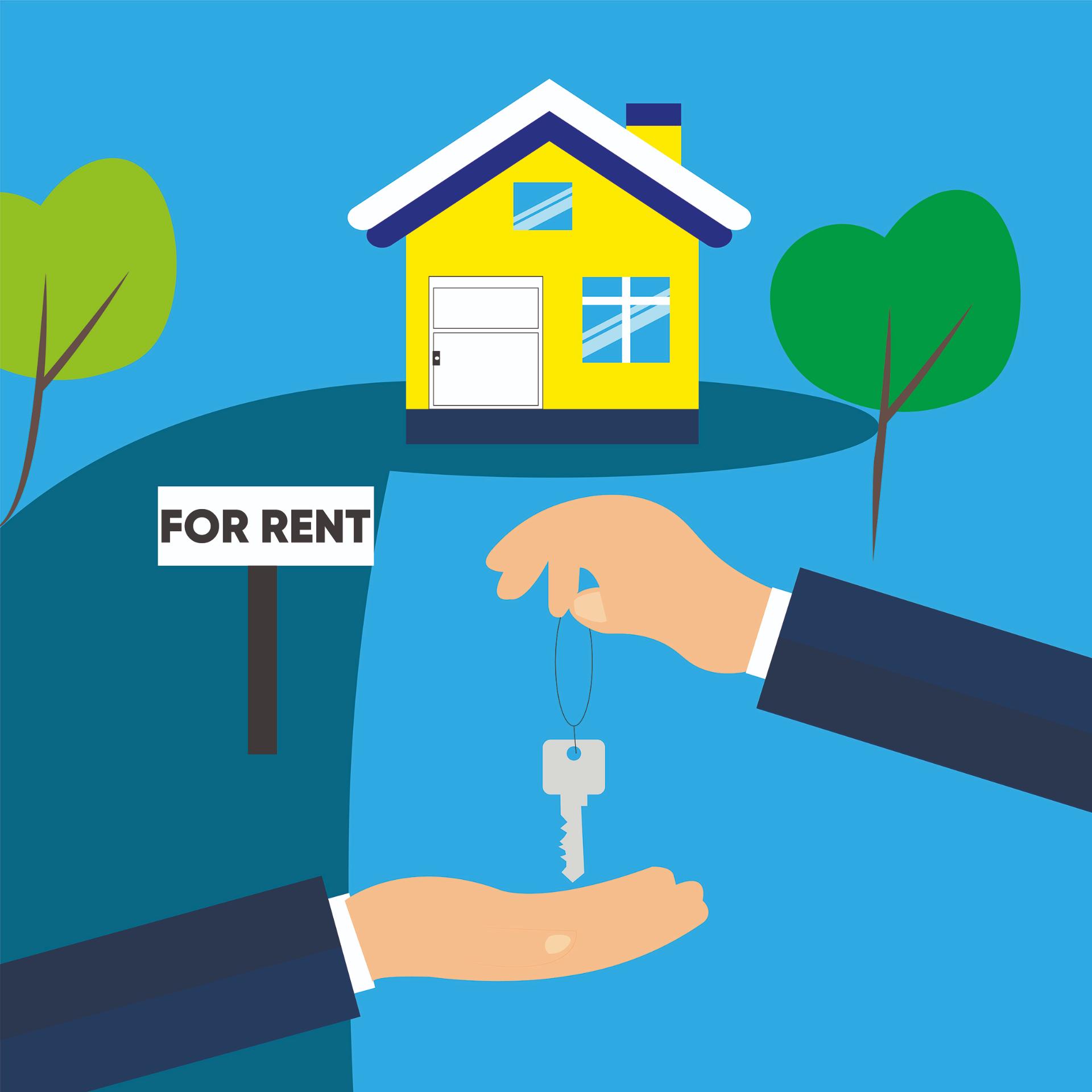
Photo: Shutterstock
Those on a low income will also be eligible for help with housing and there are numerous benefits available. The best known of these is probably APL. (aide personnelle au logement). Available to anyone on a low income students and young people included – the APL will help you to pay your rent or mortgage. However, not all rental properties are eligible. For example, if the property is not sufficiently thermally efficient, it will not qualify, and this is why rental adverts often state ‘eligible CAF’, so do make sure you check before signing a rental contract if you think you might be applying for APL.
If you are a landlord and your tenant receives housing benefit or APL, you will need to confirm their continued occupation and rental payments to the CAF so that their benefits continue to be paid. This is done online via the CAF website; you will need to use the ‘Pro’ part of the site and will require separate log-in details for this.
Moving house is also something that the CAF will help with; families with three or more children can apply for la prime de déménagement; this is currently around €1,138 for families with three children and increases slightly if you have more dependents.
Once you’ve moved, whether you are a tenant or an owner, the CAF will assist with the general improvement of the property if this includes key elements such as sewage, insulation, repairs and so forth. They won’t help with decorative elements but anything that could impact the health of those living in the property may qualify for le pret à l’amélioration de l’habitat (PAH).
The CAF will also help families receiving benefits with various other housing issues and all of this comes under what is termed l’action sociale pour le logement. This help could include assistance with costs such as unpaid rent, loan payments, water and electricity bills or loans to purchase essential household equipment such as a washing machine or fridge. A huge amount of assistance is available for housing matters but as everyone’s circumstances are different, it’s best to contact your regional CAF and see what they can help with.
UNEMPLOYED AND CARERS

Photo: Shutterstock
Obviously, there are also numerous payments available for those who cannot work for whatever reason. Parents with a disabled child receive the AEEH (allocation d’éducation de l’enfant handicap) and disabled adults receive the AAH, which guarantees them a minimum income and varies according to whether or not they are working and their household income.
The AJPA (allocation journalière du proche aidant) is a payment made to anyone giving up their job or reducing their hours in order to look after a family member who is disabled or can no longer function independently. The AJPP (allocation journalière de présence parentale) is paid to parents whose child is seriously ill, has suffered an accident or has some form of disability.
Pension rights (assurance vieillesse) are also included for those who have reduced their working hours in order to look after a disabled or seriously ill family member. Should the unthinkable happen, the CAF will also make a payment on the death of a child, to help support the family through this time.
If you experience a death in the family, the CAF can assist you through the process, both financially and emotionally. These types of benefits are all part of the CAF’s remit to assist families with each and every event that may impact family life, whether it’s separation, the death of a family member, single parenting, moving house or unpaid bills.
HEALTHCARE INSURANCE

Photo: Shutterstock
The CAF is also responsible for administering the CSS (complémentaire santé solidaire), which is free or partly subsidised mutuelle or top-up health insurance cover. Over eight million people benefit from this and it means that any healthcare expenses incurred over and above the ceiling fixed by French social security are fully covered.
Students, retirees, the unemployed and anyone working on a low income are eligible to apply, along with cross-border workers and those in receipt of various other benefits. It is well worth taking a look and seeing if you qualify; there is a really easy to use online calculator (mesdroitssociaux.gouv.fr/votre-simulateur/accueil) which covers not only the CSS but all the benefits administered by the CAF in addition to various regional grants. The page is updated on a regular basis so it is one to bookmark. Keeping up to date with the various allowances and being aware of your eligibility is a key part of claiming benefits in France. These days there is a huge amount of information online via the official French government websites and the CAF also produces its own magazine Vies de famille. This is published quarterly and sent to anyone receiving benefits or you can read it online (caf.fr/allocataires/vies-de-famille/lire-le-magazine).
Things change all the time so get into the habit of reading the magazine. It will keep you up to speed – and improve your French!
The unique mix of legal, financial and tax advice along with in-depth location guides, inspiring real life stories, the best properties on the market, entertaining regular pages and the latest property news and market reports makes French Property News magazine a must-buy publication for anyone serious about buying and owning a property in France.

Lead photo credit : Photo: Shutterstock
Share to: Facebook Twitter LinkedIn Email
More in State Benefits in France
Related Articles



Leave a reply
Your email address will not be published. Required fields are marked *