How to Build a Life in France Without Owning Full-Time
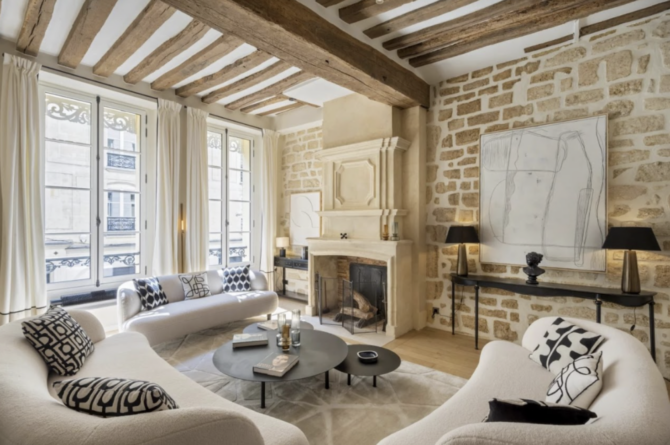
For many international buyers, owning a home in France is not simply a property decision. It’s a life decision. The real question is not just where to buy, but how to create an enjoyable life in France without unnecessary legal and administrative hurdles.
Pacaso was founded to address exactly that challenge. The company offers a modern co-ownership model that enables buyers to purchase a share of a professionally managed luxury home. Owners hold real property interests, while Pacaso handles home management, scheduling, and ongoing maintenance. For those who want a home in France but do not intend to live there year-round, it offers a practical alternative to full ownership.
Pacaso’s CEO and co-founder Austin Allison recently spoke with Charlie Palmer—master chef, hospitality entrepreneur, and hotelier, as well as co-founder and CEO of Appellation Hotels—who shared how he and his wife Lisa built their Paris life around a co-owned home on Rue du Bac in the 7th arrondissement. His experience offers a blueprint for professionals, retirees, and global families who want more than an occasional stay in France. Below are excerpts from Allison and Palmer’s conversation.
Begin with Immersion
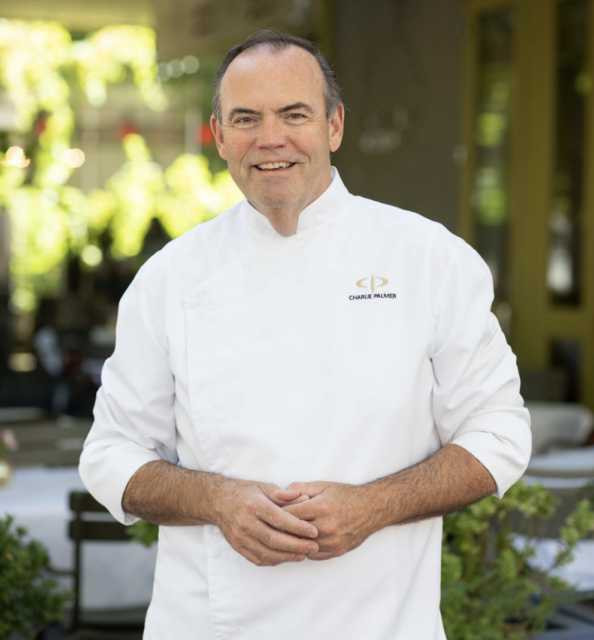
Palmer’s connection to France started long before ownership. Early in his career, he trained and worked in France, Italy, and Belgium, experiences that shaped his culinary philosophy and led to the success of his first restaurant, Aureole, and later his hospitality ventures, including Appellation Hotels.
For him, Paris is not a holiday backdrop. It is part of his working and cultural life.
“When we land, we drop our bags and head straight to our favorite restaurant,” he explained. He keeps a running list of chefs, wine merchants, and artisans he wants to visit. His wife, a former ballet dancer, immerses herself in museums, music, and performance.
The lesson is straightforward: choose a neighborhood that supports daily life. In Palmer’s case, the Left Bank offers walkability, food markets, and cultural institutions. Building a life in France begins with routine, not just real estate.
Rethinking Whole Home Ownership
Palmer previously owned a full second home in Southampton, New York. Looking back, he admits it did not make practical sense.
“We loved the house,” he said, “but our friends and family probably used it more than we did.” With demanding careers and frequent travel, the property was often underutilised while still requiring constant oversight.
That experience made Pacaso’s co-ownership model immediately compelling. Rather than buying an entire Paris apartment that might sit empty much of the year, the Palmers purchased a share in a professionally managed home.
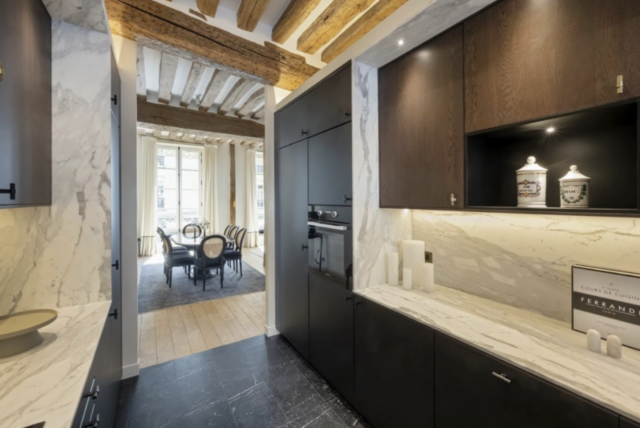
The contrast has been significant. “Exactly the opposite of my experience in Southampton,” he noted. Maintenance, vendor coordination, and property management are handled centrally. When he suggested practical improvements such as larger televisions, wine storage, and additional owner closets, they were implemented efficiently.
Before discovering Pacaso, the couple had considered buying independently in Paris but were discouraged by the perceived complexity. “With Pacaso it was very easy,” he said. “I had an attorney review it once and said, ‘Fine, let’s go.’ The transaction was really two weeks.”
Practical Considerations for Long-Term Living
A second home in France should elevate your life — not complicate it.
1. Be realistic about usage.
A beautiful property is appealing, but think of how often you plan to visit. Pacaso’s model is designed for shared ownership of high-quality homes that are used efficiently rather than sitting vacant. For many international owners, that balance makes financial and practical sense.
2. Reduce administrative burden.
Cross-border purchases can involve notaires, tax advisers, and repeated travel. By consolidating legal structuring and ongoing management, Pacaso simplifies both the initial purchase as well as day-to-day ownership, particularly for those dividing time between countries.
3. Design for real living.
Think beyond aesthetics. The ability to tailor a professionally managed home to evolving owner needs makes long-term stays more seamless.
4. Prioritise experience.
For many Pacaso owners like Palmer, the greatest return is generational. He talks about bringing his grandchildren to Paris and showing them what daily life in the neighbourhood looks like.
A Smarter Way to Own Abroad
Palmer does not see Paris as an escape. It is built into his regular life as a location he frequents, just as New York and California are. Increasingly, entrepreneurs, remote working professionals, and retirees are structuring their lives similarly, dividing time between destinations while remaining deeply engaged in their communities.
France offers cultural depth, strong infrastructure, and global connectivity. The challenge has always been making ownership workable for modern, international lives.
For those serious about building a life in France, Pacaso’s co-ownership model presents a smart, structured path forward. It combines real property ownership with professional management, reduces complexity, and makes long-term international living attainable.
“Life is big,” Palmer said. “Enjoy it.”
Share to: Facebook Twitter LinkedIn Email
More in co-ownership in France, co-owning property, letting property in france, Owning Property
Related Articles

Leave a reply
Your email address will not be published. Required fields are marked *