
Is it Safe to Travel to France This August? Wildfires, Heatwaves, and Water Restrictions
News

With wildfires sweeping across the southwest coast and hundreds of thousands of locals and tourists evacuated, should you be reconsidering your trip to France this August? Here’s what you need to know if you’re planning to visit.
What’s the current situation?
France has been all over the news these past weeks as it faces one of its biggest wildfires to date, a blaze that’s already engulfed some 42,000 hectares of forest (that’s about 4 times the size of Paris) and has led to more than 250,000 people being evacuated. The wildfire has spread across the Gironde department in southwest France, coming within 9 miles of Bordeaux, and more than 2,200 pompiers (firefighters) have been mobilised to tackle the blaze. As of this morning (Thursday 30th July), the wildfire has been described as “stable”, although it may still be several days before the fire is completely extinguished.
In addition to this, wildfires also continue to spring up around the country, including a recent blaze in Fontainebleau Forest just outside of Paris and a devastating wildfire in Biscarrosse in the Landes department. Many areas of France are on high alert, with widespread fire bans in place across the country.
Should I cancel my trip to France?
The big question for travellers, especially those with a trip booked for the coming weeks, is whether or not it’s safe to travel to France right now. While the UK Foreign Office advises caution due to the “high risk of wildfires during the summer season from April to October”, it doesn’t advise against general travel to France. When it comes to assessing the risk, the most important factor is where in France you plan to travel.
If you have a trip booked for Bordeaux and the southwest, it may not be wise to continue with your travel plans. Even as the fires are brought under control, emergency services in the area will be overwhelmed, smoke inhalation and poor air quality are an ongoing risk, and tourist facilities are unlikely to reopen for business straight away. Those planning a trip to the Gironde and Landes regions in the next week would be advised to reconsider – beyond that, it’s best to seek local advice from your travel operator, hotel, or local mairie.
If you’re heading to the south of France, another high-risk area where there are several current incidents of wildfires, it’s advised to keep a close eye on wildfire alerts in the area. It may not be wise to travel to areas with ongoing wildfires, but other areas may not have been impacted by the fires or travelling smoke, so you shouldn’t rush to cancel your trip without further research.
Large parts of the country, especially northern and central France, still remain largely unaffected by the wildfires, so there’s probably no reason to cancel a trip to Normandy or Brittany, for example, which are far from the worst-affected areas.
If you plan to travel to an affected or high-risk area, it’s worth considering whether you could reorganise your trip for a different area of France, rather than cancelling your trip entirely– there are plenty of destinations to explore outside of the southern tourist hotspots. It’s also worth checking whether your travel insurance covers cancellation of the trip and also reaching out to hotels, gite owners, or tour companies to check their policies on cancellations. Make sure you have all the information first, so that you can make an informed decision on whether to go ahead with your trip.
Ultimately, wherever you plan to travel in France, vigilance is still recommended. Wildfires, heatwaves, and other weather-related events can be unpredictable, and no area is 100% risk-free. Follow our advice below to stay up to date before and during your travels.
How to stay informed about France’s wildfires, heatwaves, and water restrictions
The best way to reduce risk in the face of wildfires and other weather events is to stay informed, and thankfully there are several websites that provide daily updates on the situation.
Wildfires
Météo des Forêts has a map showing the wildfire risk level for every French département, from green (low risk) to red (very high risk). If you are travelling to or through an area on orange or red alert, you should keep an eye on local news and make sure you are up-to-date on any local restrictions, regulations, or closures due to the increased risks (for example, parks and forests may be closed, and a total fire ban may be in place).
However, note that this map only shows the risk alert level – it doesn’t show details of recent or ongoing wildfires in the area. For that, you’ll need the Feux de Forêt app/website, which shows real-time updates. If you’re visiting an at-risk zone, it’s recommended to download the app and set up notifications for your area, so that you’ll be alerted of any changes.
Finally, if you do find yourself in a wildfire zone, rest assured that serious risks and evacuation orders are handled by FR-Alert, which sends emergency text message alerts to all phones in the area. The alerts make a loud sound (even if your phone is on silent) and include a text with details of what to do (in the language that your phone is set to). It works for all phones in the area, including international numbers.
It should go without saying, but if you do receive an alert, don’t ignore it – act immediately. Evacuation orders aren’t issued without good reason, and wildfires can spread rapidly, so follow instructions, grab only the essentials, and get yourself to safety. If you do find yourself in an area with ongoing wildfires, it might be worth packing a bag with your passport, cards, and other must-haves, just in case.
Heatwaves and water restrictions
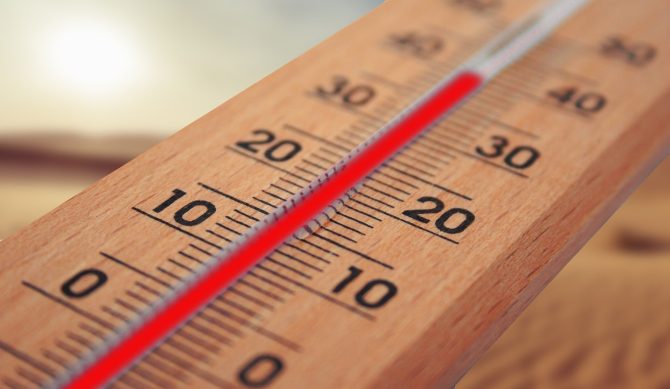
France’s wildfire battles are just one part of the country’s summer struggles. The country has also suffered a series of heatwaves in May, June, and July, coupled with severe drought. With more hot weather on the way in August, travellers should also be aware of the possibility of a fourth heatwave (canicule) sweeping the country, as well as widespread water restrictions throughout the country.
Stay up to date with the weather forecast via Météo France or keep an eye on their heatwave map to see the current risk levels, from green (low risk) to red (highest risk).
You can also check VigiEau for a map of the latest water restrictions, which range from blue (no restrictions in place) to burgundy (water crisis areas). You can look up the area that you’re staying in to find out about the local rules regarding water use.
Summer travel disruptions
Finally, be aware that even if you’re not staying in an area directly affected, wildfires can have an impact on traffic in the surrounding areas. If you’re travelling to or near any high-risk areas, keep an eye on Bison Futé for road traffic updates and GPS apps such as Google Maps or Waze, which often also advise of road closures. Again, it should go without saying, but if a road is closed due to wildfires, do not attempt to drive down it, even if it appears unaffected – wildfires can change course with rapid speed and you could easily find yourself trapped.
Rail services, flights, or local transport might also be suspended if the area is deemed at-risk.
Wildfire prevention
Most wildfires are started by human negligence, and causing a fire is a criminal offence in France with severe penalties – even if it was an accident. If you do travel to France (or anywhere else at risk of wildfires) this summer, make sure to read up on the guidelines for what to do – or more importantly, what not to do – to prevent wildfires from starting in the first place.
The French government has published this English-language guide outlining preventative actions and what to do in case of a wildfire. Some key rules to follow include not smoking in any forest or woodland areas, lighting BBQs well away from any vegetation, taking all litter with you (light refracting through glass can cause sparks), and parking away from vegetation (hot exhaust pipes can also cause a spark).
If you do witness a wildfire, you can call the fire service in France by dialling 18 or, if you prefer to speak English, the Europe-wide emergency services on 112.
Stay Up to Date With the Latest France Travel News
Whether you are a regular traveller to France, planning a property hunting visit, or simply visiting on vacation, our Travel to France zone has the latest travel news, updates, and advice on everything related to travelling to France.