
Moving to France: How to Avoid Common Removals and Customs Delays
What are the most common mistakes people make when organising a move to France and how can they avoid delays?
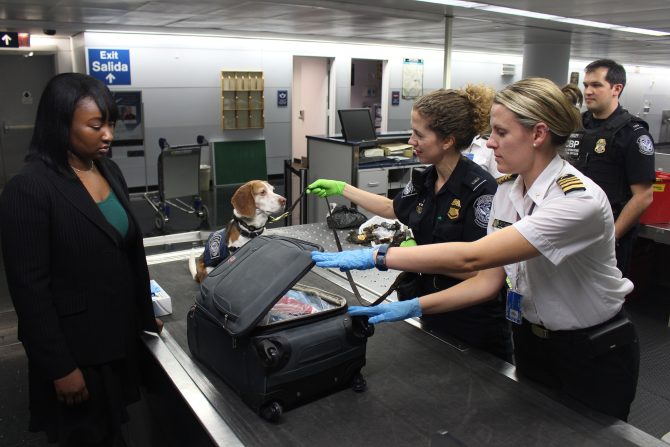
BEN HINGLEY of Burke Bros Removals responds (burkebros.co.uk): One of the biggest pitfalls is misunderstanding post-Brexit customs procedures. Moving household goods from the UK to France is no longer a simple intra-EU transfer. Customs clearance is now mandatory and those making the move must qualify for ‘Transfer of Residence’ relief to avoid paying import taxes.
This requires proof that the goods have been owned and used for at least six months, along with evidence of a genuine change of residence. Engaging a removal company experienced in Franco-British moves, and starting paperwork early, is essential to prevent shipments being held at the border.
Documentation errors are another frequent cause of delays. Missing or inconsistent paperwork, such as incorrect addresses, unsigned declarations or mismatched dates, can result in customs queries or inspections. French authorities are meticulous and even minor discrepancies can halt a shipment. Preparing a clear document checklist, including passport copies, proof of address, residency documents and customs forms, helps ensure nothing is overlooked.
Incomplete or vague inventories also create problems. French customs require a detailed, itemised inventory, ideally in French, listing the contents of each box and identifying high-value items separately. Generic descriptions such as ‘miscellaneous household goods’ can raise red flags and trigger inspections.
Timing is another area that is often underestimated. Many people plan their move around property completion dates without accounting for customs processing times, seasonal congestion or French public holidays. Delays of several days, or even weeks, are not uncommon if paperwork is submitted late. Building flexibility into the schedule and avoiding peak moving periods can significantly reduce stress.
Moves to France often involve household effects and possessions going into storage. It’s important to discuss this with your chosen removal company and ensure they can make arrangements for this. Items may go into store for weeks or even months, so it’s important to discuss this in advance to avoid expensive last minute solutions.
Finally, don’t underestimate access challenges, particularly in rural France. Narrow lanes, weight-restricted bridges and limited turning space will pose difficulties for large removal vehicles to reach a property. It’s important that you discuss access issues with your removal company in advance as it may be necessary to arrange a smaller vehicle to act as a shuttle vehicle, for example.
In short, the key to avoiding delays lies in early preparation, detailed documentation and working with professionals who understand both UK and French regulations. A well-planned move is not just smoother; it is also more cost-effective.
Get In Touch!
Ask your questions about French property or life in France…
Email: [email protected]
Alternatively, you can post your question on our Facebook page