
Interest Rate Expectations, Political Risks and Energy Prices In Focus: Sterling Update

Here’s the latest currency news from our partner Moneycorp, to help you find out what your money is worth.
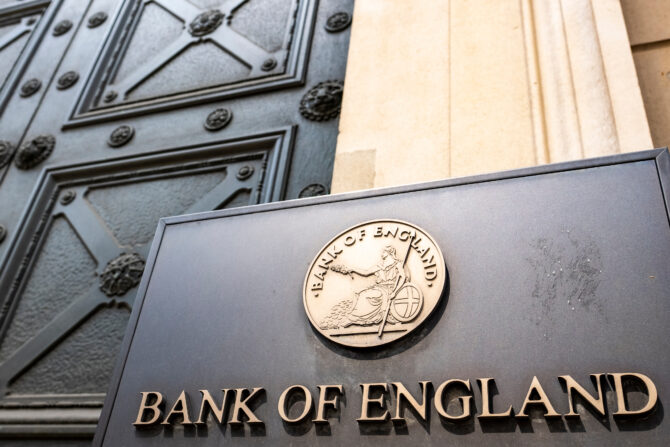
Interest rate expectations, political uncertainty and economic data are set to shape currency markets this week, with investors weighing developments in the UK, US and eurozone. The Bank of England’s upcoming decision follows a controversial Budget, while US midterm elections and employment figures could add further volatility to the markets.
In Europe, rising headline inflation could strengthen expectations of another European Central Bank rate rise, potentially influencing the euro’s recent performance. Meanwhile, Canadian employment figures and Mexico’s central bank decision will provide further insight into the outlook for other major currencies.
For those buying property in France, transferring savings or managing regular payments between the UK and France, these developments could influence sterling to euro exchange rates in the days ahead.
UK focus on the BoE meeting after a Budget of nothingness
There’s an old saying that “if you’ve got nothing good to say, then say nothing,” and that would appear to aptly sum up the UK government’s Budget from last week. A Budget that continued to tighten the screw on businesses and households, and one that failed to tackle the growth in spending in the near term, instead relying on significant cuts in spending around the time of the next scheduled election. A Budget of borrowed time is the best description, in my view.
This week, the UK focus shifts to the Bank of England meeting, with the MPC decision, press conference and quarterly update all due. The markets are convinced that the BoE will hike by 25 basis points, despite disappointing data and surveys. I think they will as well, given that the updated forecasts and press conference give them their best chance to explain.
Meanwhile, GBPEUR continues to push higher, but generally because developments in the US and Euro Area appear to be in greater focus than those in the UK. The markets have been fooled into thinking the UK has time to rectify its deficit problem, but in my view, time is not on the government’s side.
US midterms could significantly constrain the administration’s programme; payrolls at the end of the week
The US midterm elections are either going to be very bad for the Republicans, or very bad for the US polling industry. The latest polling data would suggest that the Republicans are set for some historic defeats in their traditional heartlands, with the US administration’s programme having been derailed because of the war in the Middle East and other geopolitical and trade headwinds.
If the administration’s ability to deliver its policy programme is hampered by changes to the make‑up of the Senate and House of Representatives, then there is a risk that the President will increasingly use his executive powers, with the other arms of government then having to reverse those measures through legislative powers. That could cause more volatility in FX markets, especially given the recent turbulence in equity markets.
The focus will quickly shift to the end‑of‑week non‑farm payrolls data. Will there have been a recovery, or will the markets be disappointed by lacklustre US employment and average earnings growth? Will weak labour market figures reinforce that the US Fed is likely to hike far less than the markets are pricing in, and what will that mean for the USD?
ECB focus on CPI inflation likely to prime the rate hike pump again
Last week’s announcement from ECB President Christine Lagarde that she would be standing down early from her post gave the markets fresh reason to be concerned about the direction of travel for the euro, with speculation turning to who might succeed Lagarde in the top job.
However, for this week, the focus will be on inflation once again. There has been a growing disparity between headline and core inflation rates, and that should show up again in data released on Wednesday, with the composite CPI figures for preliminary October likely to report the headline rate rising to 4% y/y, but the core rate remaining at 2.5%.
The jump in headline inflation could prime the pumps for another ECB rate hike at the end of the year, or early 2027, so could that be something that turns the tide of EUR underperformance? The focus on demonstrations in Europe continues, with problems in Germany now emerging, but the issues in France, Spain and Italy appear to be dying down. That could mean the euro enjoys some welcome respite in the sessions to come.
Canadian jobs report and Budget in focus; Mexico waits on Banxico
The Bank of Canada’s decision to hike interest rates was something of a surprise to me, given the weakness that has been observed in the Canadian economy and the fact that Canadian inflation appears to be less impacted by geopolitical and trade issues than elsewhere. This may prove to be a precautionary and unnecessary move, with data and surveys likely to refocus attention on economic underperformance in the coming sessions.
The end of the week sees the Canadian jobs report due. Will this show further signs of economic stress in terms of weak jobs growth (or even another contraction)? Will earnings growth continue to disappoint? How will it compare with Canada’s neighbour, the US, which releases its report at the same time? The CAD might give back some of its post‑Bank of Canada gains this week, in my view.
In Mexico, Banxico meets this week. There has been speculation that the central bank might be considering lowering interest rates again. That could put additional pressure on the peso, should the central bank make such a move, but the risks to inflation look limited and the weakness of the economy merits such a move, in my view. USDMXN has been bucking the trend of USD weakness in recent weeks. Could we see it again this week?
Why Moneycorp?
With a Platinum Trusted Service Award 2020 from independent review site Feefo and 40 years of experience in the industry, FrenchEntrée has been recommending Moneycorp for more than 15 years. During this time they have helped thousands of client planning the best way to pay for their property as well as supporting them afterwards with any further payment from paying bills, mortgages to repatriating UK pension payments for those who have retired to France.

Furthermore, we have worked with the same person at Moneycorp for more than a decade! You might be familiar with her as she often writes for our French Property News magazine. She has 13 years’ experience in foreign exchange, and is a qualified European lawyer with experience in European transactions. Mar will be happy to answer any questions or enquiries to support you through these difficult times
Opening an account is really easy and free of cost. You can register online or over the phone in a couple of minutes and for FrenchEntrée readers there are no transfer fees in any payment.