Why Manners Matter in France

Sarah Daly explores the complex world of social interaction in France – and how to make sure you get it exactly right…
France and the UK are separated by only 22 miles of water at the Strait of Dover, and yet they often feel like a world away from each other in terms of etiquette and custom. Knowing how to navigate situations – from walking into a shop, dining in a restaurant or attending a business meeting, to socialising with colleagues or visiting French friends at home can make the difference between creating a positive impression and unwittingly causing offense.
THE MAGIC WORD
I’ve lived in France since 2018 and even after seven years, I’m still learning when it comes to meeting new people or finding myself in unfamiliar situations. One of the things that took me by surprise initially was that, despite the fact I spoke reasonable French, people would look at me askance when I asked for help. I soon learned that greeting someone with ‘excuse me’ is considered rude here. Each time I greeted someone this way, I would be met with a very pointed ‘bonjour madame’ in return.
Every interaction, almost without exception, I discovered, should begin with ‘hello’. On the phone, ‘allo’ is common, but whenever you enter a shop or restaurant, or greet anyone, ‘bonjour’ is absolutely essential. Even emails and text messages usually start this way. ‘Bonsoir after an unspecified point in the evening can be substituted, and ‘madame’, ‘monsieur’ or ‘messieurs dames’ are often added in speech according to the situation.
Beyond this, though, there’s not much room for manoeuvre. ‘Salut’ is used as ‘hello’ or ‘goodbye’ among friends and ‘coucou’ is used to greet very good friends or children. I confess I’m rarely brave enough to use either, as I’d rather be too polite than appear rude or overly familiar. Just to confuse matters, where I will say hello every time I meet someone, in France, you don’t say it again to someone you’ve already met that day. Instead, you nod, smile or occasionally use ‘rebonjour’ (hello again). I find this far more difficult than remembering to say hello in the first place, but to repeat it risks giving the impression that you’ve forgotten that you’ve met someone already.
EXPERT ANALYSIS
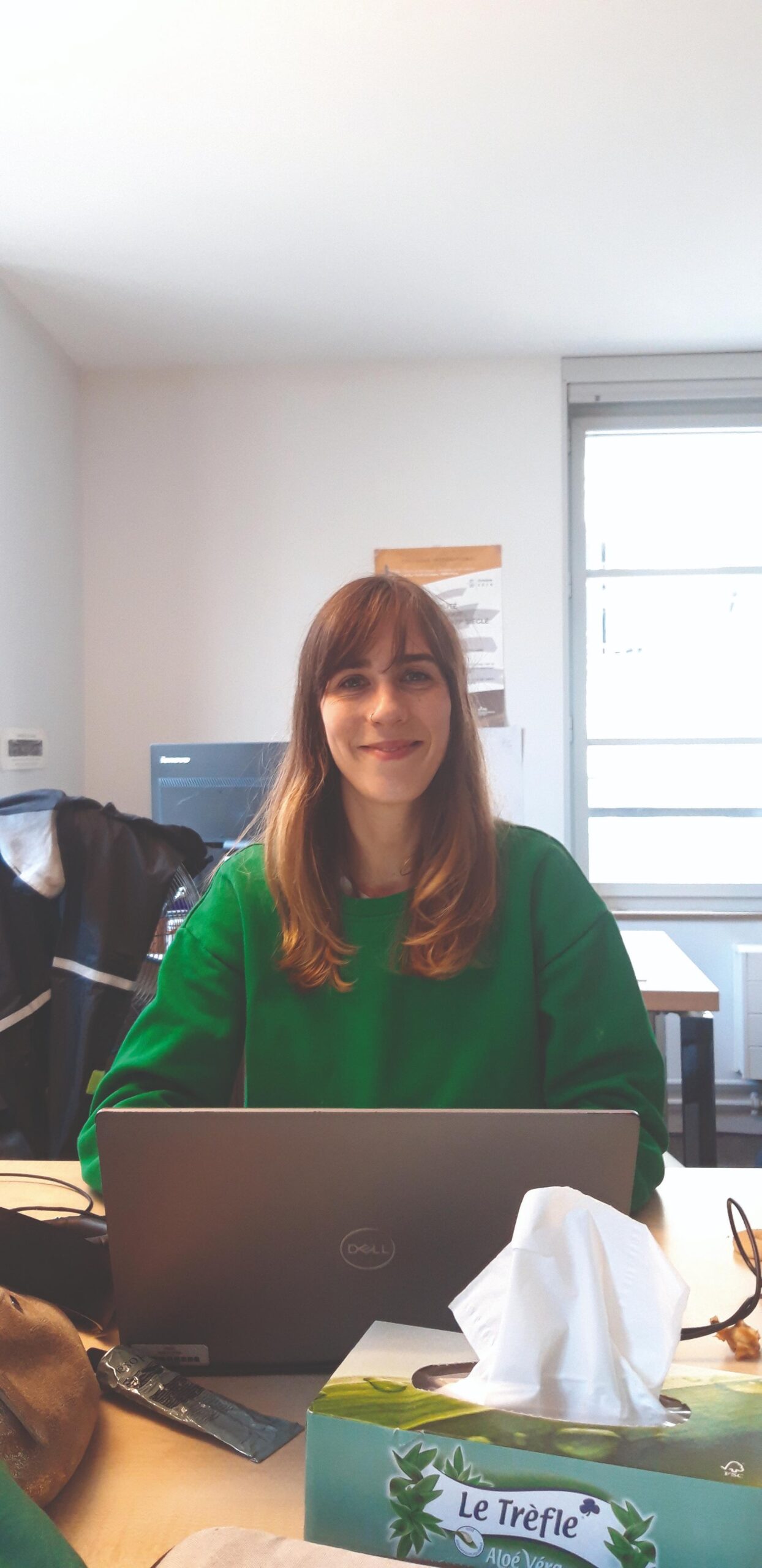
Alice Burrows is assistant professor of applied linguistics at Sorbonne Nouvelle University in Paris
I ask Alice Burrows, assistant professor of applied linguistics at Sorbonne Nouvelle University in Paris, if there is such a thing as French etiquette, or whether we risk stereotyping our social interactions by making this assumption. She studies how French is taught as a foreign language and is responsible for programmes teaching French to the university’s overseas students. Alice has a French mother, an English father and an Argentinian husband. She also speaks Italian and Arabic, so she is very used to adapting to different cultural situations. “I look at French and other cultures on an anthropological level,” she tells me. “Jodelet’s theory of social representation describes how we develop our system of values and beliefs. It suggested that our first socialisation usually comes from family. Later, friends, university and work contribute to our ‘reality filter’ and how we expect things to be.”
Alice tells me about a study that found that exchange programmes such as Erasmus often seemed to reinforce participants’ stereotypes of the country they visited rather than challenge them. “Cultural contact depends on the eyes of the person making the contact,” she says.
An example she gives of this is that in big cities such as Paris, English is the lingua franca for so many people that it’s widely spoken and English-speakers are consequently more accepted. In very rural areas with fewer tourists, English-speakers who move in and don’t speak any French or socialise at all with French neighbours are more likely to be frowned upon.
Keeping an open mind, doing your best to prioritise politeness and being friendly seems like a good approach then, however little French you speak. “Bonjour and merci will always be appreciated,” Alice says. “Try to learn French and show that you want to adapt if you’re moving to a rural area. If you don’t speak any French at all and don’t plan to learn, you may find it easier to live in a big city.”
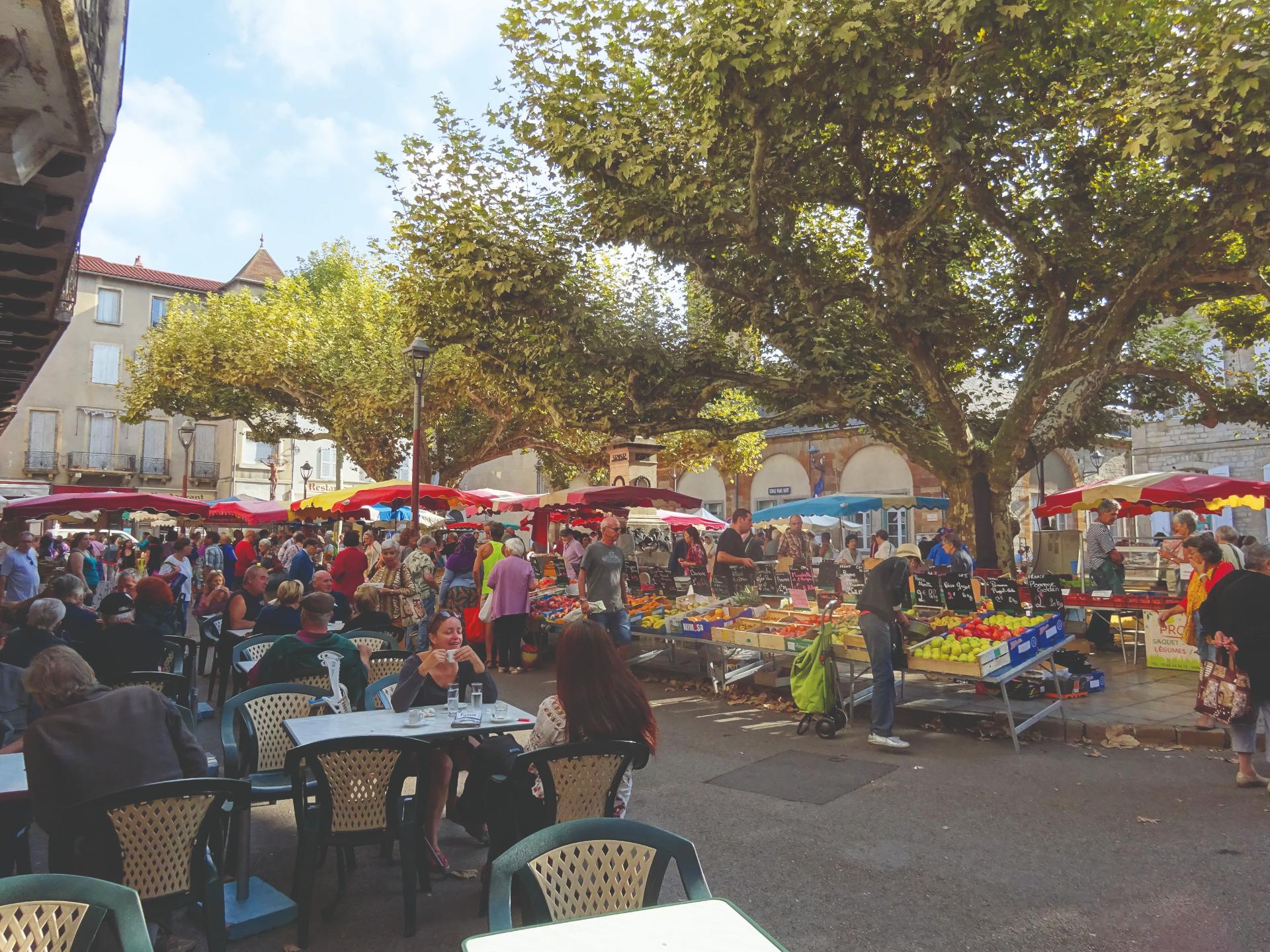
In rural France little English is spoken
IN POLITE COMPANY
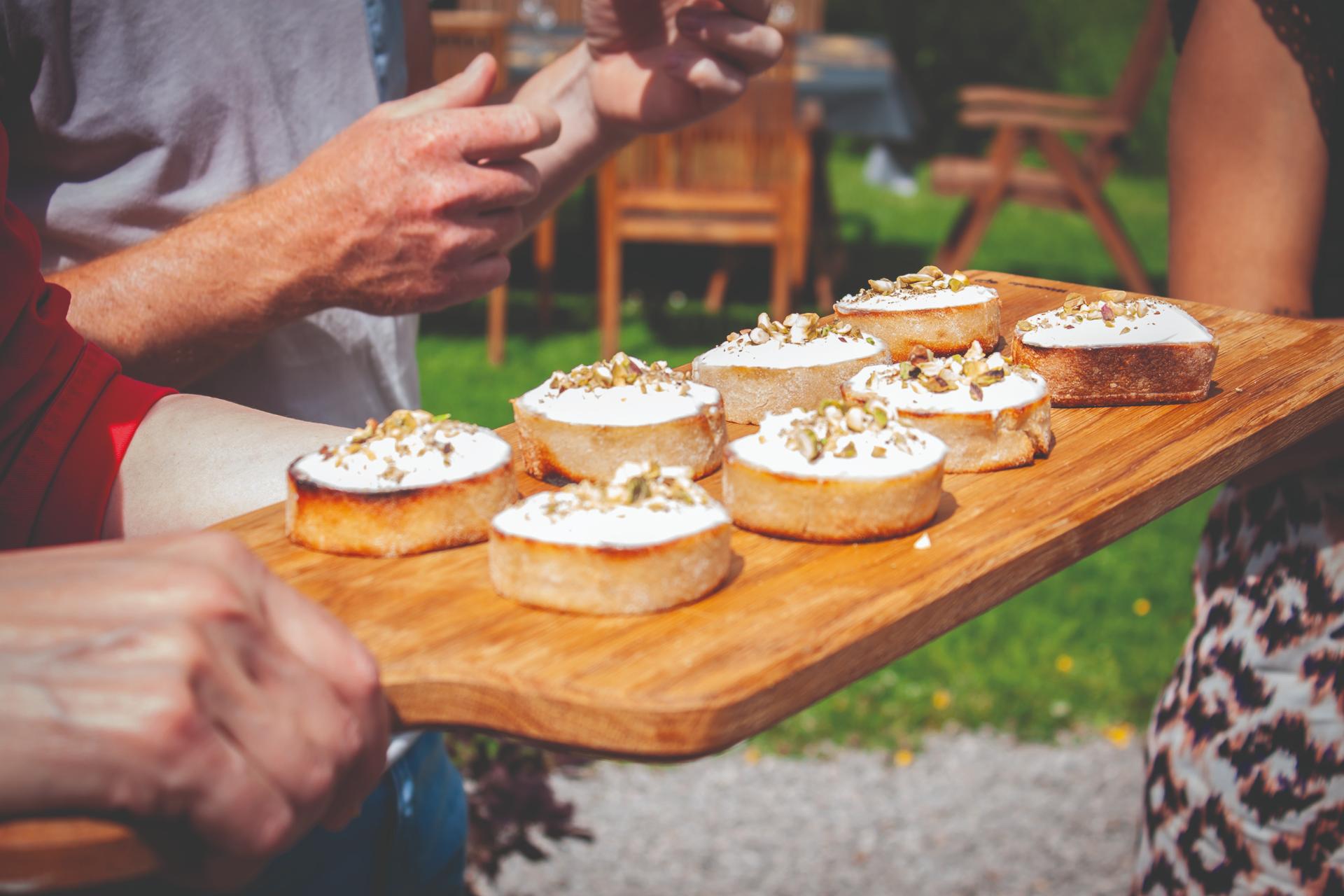
Photo: Shutterstock
When I ask her about specific situations that cause confusion, Alice is quick to highlight l’apéro. “People who aren’t used to this often don’t realise that an apéro invitation is for drinks only and means you should leave before 9pm,” she says. “It isn’t an invitation to a meal, so only nibbles will be served and your hosts are probably waiting for you to leave so that they can eat. An apéro dinatoire, on the other hand,” Alice adds, “will include a more substantial meal and go on for longer. If in doubt, ask your host what you should expect.”
When we moved into our new home, I consulted a French friend before I invited the neighbours to our own afternoon apéro. I thought I had it nailed, until I realised that none of our guests would accept a drink until they knew that everyone we were expecting had arrived. I had no idea who was actually coming and found my own desire to be a good host and give everyone a drink at war with each neighbour’s desire to be a good guest and wait before accepting one.
“That can be a generational thing as well,” Alice says. “It’s changing now as get-togethers become less formal affairs.”
And I’m very pleased to say that the neighbours overlooked our initial ignorance and many have since become good friends, despite the frequent mistakes I still make with language and etiquette. Which leads us on to la bise. The French tradition of greeting friends, colleagues and sometimes complete strangers with a kiss has changed somewhat since the Covid pandemic, Alice tells me. “We no longer do this where I work, but it’s still common with friends.” How many kisses to expect varies between regions, but I’ve found that a handshake is generally an acceptable alternative when I’m unsure whether to proffer a cheek. In fact, one of my neighbours now enthusiastically fist bumps me when we meet, as he knows I’m English and realises I’m therefore largely clueless about this aspect of French life.
Whether you’re visiting, or moving to France for work, another tradition Alice says is important to understand is an invitation to prendre un pot, or go out for a drink, after work. “This is very much viewed as part of work,” Alice tells me. “It may be once a month or more often, but while it looks like it’s optional, it is expected that you will go unless you have a very strong reason for refusing.”
“I actually find British visitors to be very polite,” says Estelle Liébert, who runs Le Darnetal (ledarnetal.fr), a traditional French restaurant in Montreuil-sur-Mer in northern France. “About 70-80% of our clientele is English-speaking and I love having them. They always smile and seem genuinely happy to be here, despite usually speaking very little French.” Like most people who come into regular contact with tourists, Estelle speaks English and enjoys chatting with visitors. And like most restaurateurs in France, she is trained to a very high standard.
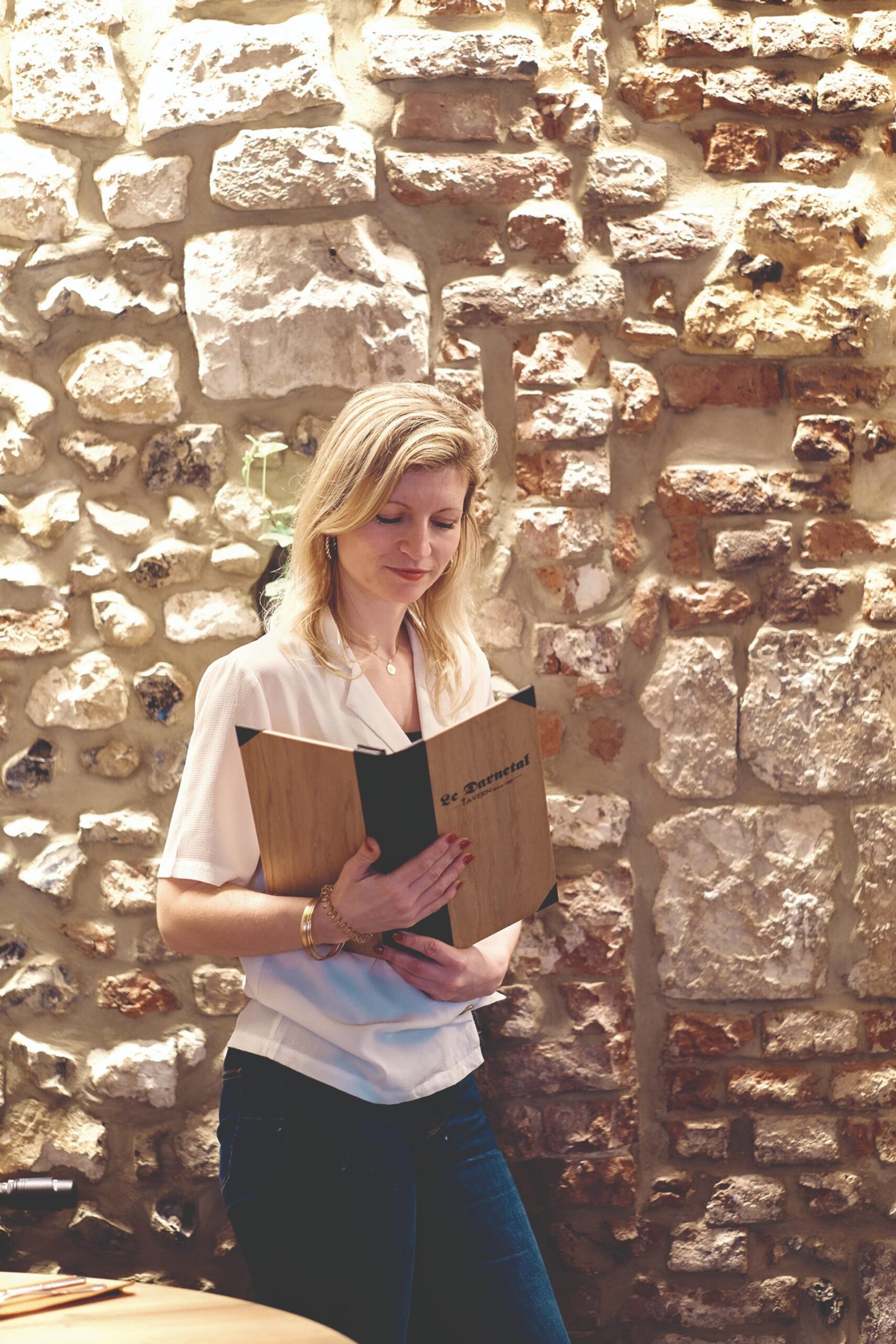
Estelle Liébert runs popular restaurant Le Darnetal in Montreuil-sur-Mer
FOOD FOR THOUGHT
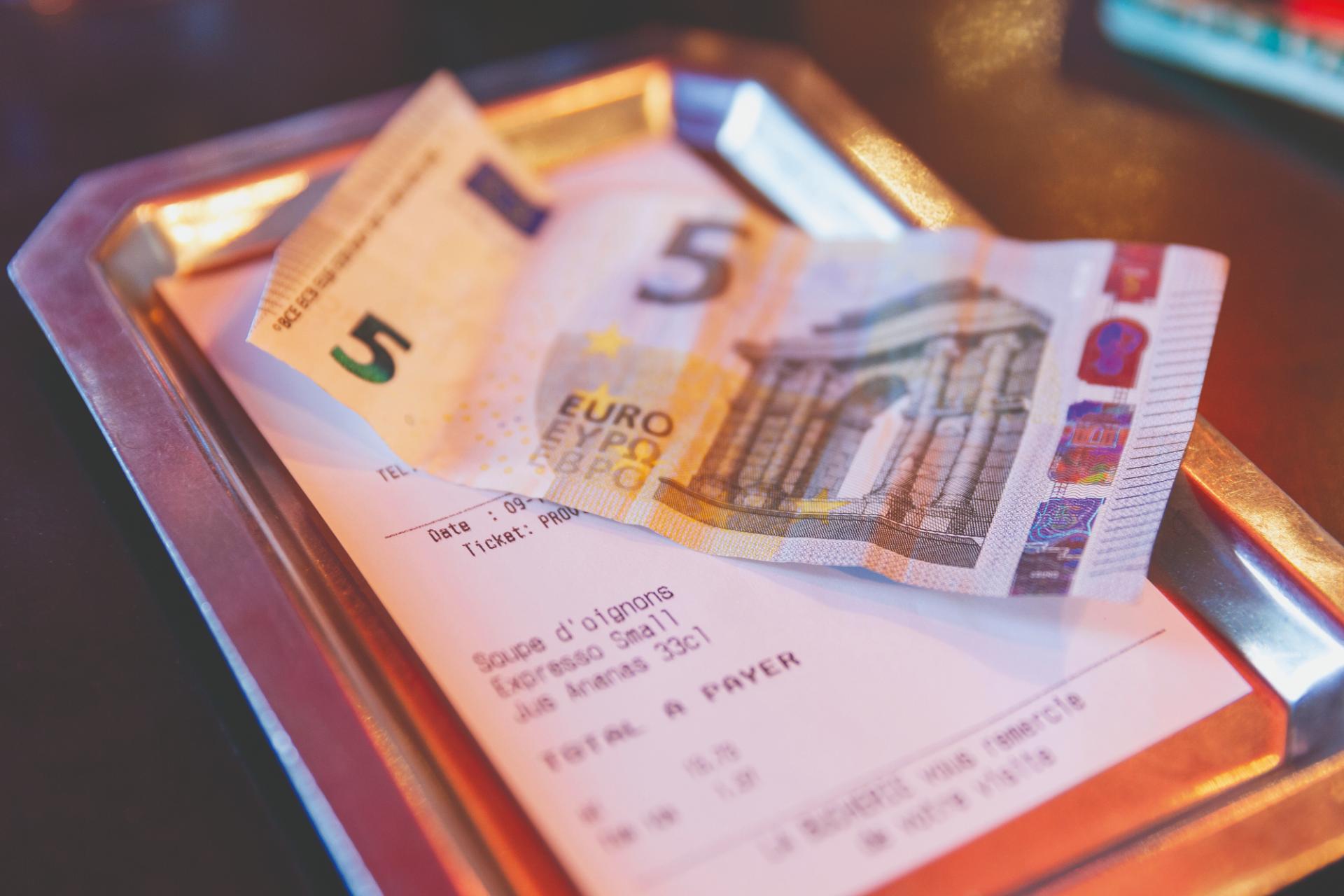
Photo: Shutterstock
This is a key difference it’s important to understand when visiting a French restaurant: the chances are high that everyone, from waiting staff to the chef and owner, will have attended a specialised catering college and all are skilled and knowledgeable professionals. Estelle trained at the prestigious Lycée Hôtelier du Touquet and has worked in almost every aspect of the restaurant business over the past 20 years.
I ask her what the key differences are between French and English-speaking clients. “French clients will usually eat their main meal at lunchtime,” she tells me. “British visitors often prefer to eat in the evening. A common misunderstanding is that they can arrive early. Brasseries tend to be open all day whereas most restaurants will be open for lunch between noon and 2pm and won’t open again until 7pm even if staff are on site. Before you visit a restaurant, a good tip is to look at the menu. If it’s available in English, you’ll probably find English-speaking staff, whereas that may not be the case if it’s only available in French.”
And if you’re dithering about tipping, service charges have automatically been added in French cafés and restaurants since the 1980s, ensuring staff are paid an adequate wage and don’t need to rely on tips. You should see on the menu and on your bill, the phrase ‘prix service compris’, sometimes followed by a percentage or further details. You’re not expected to leave anything extra, but a ‘pourboire’, or tip, of few coins will always be appreciated, if you feel you’ve had really good service.
RULES OF ENGAGEMENT
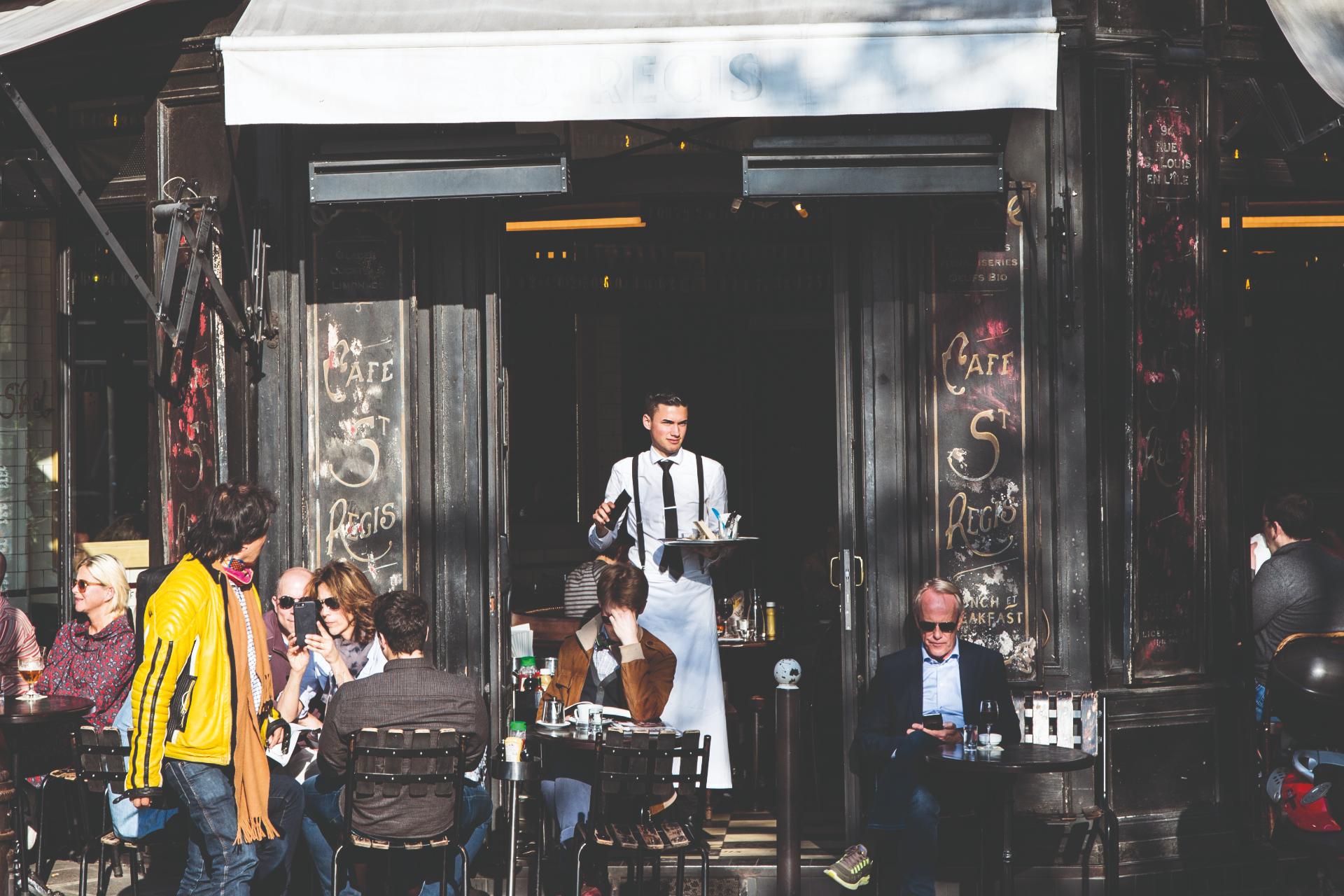
waiters in France are skilled professionals _shutterstock
I’ll confess that I cringe now when I’m in a bar or restaurant and I see English-speakers summon a waiter without even saying hello in English, let alone attempting French, and instead launching in with a peremptory ‘can I get…?’.
While etiquette differs from place to place, politeness and good grace are universal. If you don’t speak French, just lead with the word ‘bonjour’ and a smile. If you can add ‘Est-ce que vous parlez anglais?”, it will be appreciated, but things are far more likely to go smoothly for all concerned after that first simple ‘bonjour’.
The unique mix of legal, financial and tax advice along with in-depth location guides, inspiring real life stories, the best properties on the market, entertaining regular pages and the latest property news and market reports makes French Property News magazine a must-buy publication for anyone serious about buying and owning a property in France.

Lead photo credit : Photo: Shutterstock