
The 5 Rules All Brits Must Know Before Flying this Summer
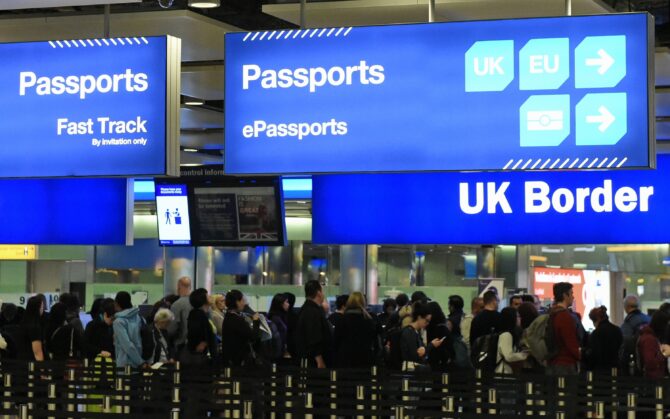
With warmer weather on the horizon, thousands of Brits are gearing up to fly out from airports this summer. But as peak travel season approaches, experts are warning that new regulations and overlooked passport rules could catch travellers off guard.
Here’s how to avoid unexpected issues this summer, from a travel expert at Good Business Travel:
1. Check your Passport for Damage
A damaged passport can stop your trip before it even begins. Airlines have the authority to refuse boarding to passengers with passports that show signs of wear, including minor ones. Issues such as water damage, peeling laminate, missing pages or heavy creasing can all raise red flags at check-in.
“Some countries also refuse emergency or temporary passports, particularly for visa-free entry,” says Natasha Inglis, Implementation and Client Success Director at Good Business Travel.
“This means travellers who’ve replaced a lost or damaged passport on short notice could still run into problems.”
2. Don’t Just Check the Expiry Date
Many travellers assume their passport is valid as long as it hasn’t reached its expiry date written on it, but that’s not always the case. To enter EU countries and the Schengen area, UK passports must be less than 10 years old on the day of arrival.
This means a passport can technically still be ‘in date’ but fail to meet entry requirements. Make sure to check both the issue date and the expiry date are essential to avoid any last-minute problems at the airport.
3. Make Sure you Have Enough Blank Pages
Since Brexit, UK travellers will get their passports stamped when entering and leaving EU countries. While this is being phased out with new digital systems, such as the EU’s Entry/Exit System (EES), it’s still important to have enough blank pages while this is still being rolled out.
“Many countries require at least one or two completely blank pages, and passengers can be refused entry if there isn’t enough space,” says Ms Inglis. “It’s worth noting that a page with space left doesn’t count as blank, even if it only has one stamp.”
4. Prepare for EU Border Delays
The introduction of the EU’s EES means additional checks at borders, and we’ve already seen the initial fallout of this from the Easter holiday rush, where hundreds of passengers missed their flights due to the long queue times.
Travellers entering the Schengen area for the first time since April will need to provide biometric data, including fingerprint scans and photographs. Travellers are advised to arrive earlier than usual to allow for potential delays.
5. Dual Citizens Must Use the Correct Passport
Recent changes to the UK’s Electronic Travel Authorisation (ETA) rules have created complications for dual nationals.
“British passport holders who also hold another nationality are required to enter the UK on their British passport, or otherwise carry with them a certificate of entitlement,” says Ms Inglis. Travelling with the wrong passport can lead to questioning, delays at passport control, or even being denied boarding.
To ensure a smooth journey, dual citizens should always travel with the correct documentation.
Travel requirements for Brits heading to Europe are evolving, which can feel daunting at first. However, with some simple preparation and by checking key details ahead of time, travellers can avoid stressful situations and make the most of their trip.