
News Digest: Chikungunya Risk in France & Is New Caledonia Still French?
News
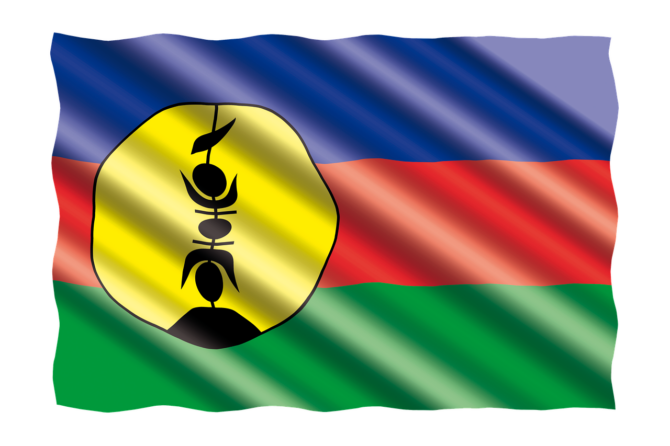

If you live in France, we hope you enjoyed the Fête Nationale (Bastille Day) yesterday! This week, our news stories include the rising cases of dengue and chikungunya in France, the EU’s plans for rolling out its Entry and Exit System, and New Caledonia has been declared a state.
1. Dengue and chikungunya cases in France
Last year, we reported on the spread of tiger mosquitoes throughout France, the Southeast Asian variety known to carry diseases such as Zika, dengue, and chikungunya. The mosquitoes are now present in 81 of the 96 mainland French departments (see the official map here), and just last week, France recorded its first native case of Dengue fever (see the official report here) – in other words, the first instance of a patient infected on French soil. The case was recorded in the Auvergne-Rhône-Alpes region of Eastern France and was reported to the Agence Régionale de Santé (ARS) – doctors must, by law, report all suspected cases of such diseases.
This comes hot on the heels of the increasing number of chikungunya cases in France. The country has reported 761 cases since the beginning of the year, most of which are linked to an epidemic in the French island of La Réunion in the Indian Ocean, but 9 of which were reported in French residents who had not travelled to the region.
Both diseases have historically been classed as tropical diseases, but with climate change bringing rising temperatures across France, the disease-carrying mosquitoes can now be found around the country. Chikungunya rarely causes death, provided patients have access to effective healthcare (although 20 deaths have been reported in La Réunion since the beginning of the year), but symptoms can be severe, including fever, joint pain and swelling, muscle pain, and a rash. Dengue fever is usually characterised by a high fever, vomiting, a rash, and severe pain in muscles, joints, and bones – rare severe cases can be fatal. If you show any of the above symptoms, you should seek immediate medical attention, especially if you have recently been bitten or travelled to a high-risk area.
To protect against both diseases, the best measure is to avoid getting bitten – wear long, loose clothing, use mosquito nets around your property, and avoid areas of standing water where mosquitoes tend to congregate.
2. EES set for October
The EU’s much-delayed Entry and Exit System (EES), which will include the capture of biometric data and an electronic passport monitoring system, has been confirmed for introduction in October, but an exact date is yet to be announced.
The news comes after several postponements, but as France, Germany, and the Netherlands finally gave the go-ahead, the European Commission confirmed last week that the new system is planned for “October 2025” (read the official announcement here).
However, there is still no clarification on exactly how and when it will come into action, and what measures will be put into place at French borders to ease the inevitable delays, particularly at the already overstretched UK-France entry points like the Port of Dover, Eurotunnel at Folkestone and Eurostar at St Pancras. Although the electronic system is designed to reduce the time spent at manual border controls and tighten security, the concern is that it will initially create a bottleneck at immigration, as new arrivals are required to provide biometric data (fingerprints and facial images).
As always, we’ll keep you updated as we learn more, but in the meantime, you can read our guide to Everything You Need to Know About the EU’s New Entry/Exit System (EES).
3. New Caledonia becomes a state
In the wake of last year’s violent protests and riots in the French overseas territory of New Caledonia, President Macron announced a historic new agreement this week. After more than 10 days of talks between the President and New Caledonian elected officials, the agreement was signed to create a “State of New Caledonia”.
The state will still exist within the French Republic, but will give greater autonomy to New Caledonia and create a New Caledonian nationality. New Caledonians will hold dual French and New Caledonian nationality, but French citizens will only be able to acquire New Caledonian nationality after living in the state for more than 10 years. It’s a halfway solution for New Caledonia’s indigenous Kanak people, who have long sought independence, and – as they only make up a 40% minority of islanders – bemoaned the fact that their vote doesn’t hold the influence that it should.
The agreement, Macron said, will open “a new chapter in its future in a peaceful relationship with France”.
4. Weekend travel warnings
If you’re travelling through France this weekend, especially if you’re heading towards the coast or the country’s popular summer holiday areas, plan your journey wisely. Bison Futé, France’s traffic watchdog, has once again issued “Red” traffic alerts for both Friday and Saturday throughout the whole country. Traffic is set to return to normal on Sunday, so if you can delay your journey, or set off earlier on the Thursday, you might save yourself some time.