
Buying and Renovating a Second Home Near Bordeaux
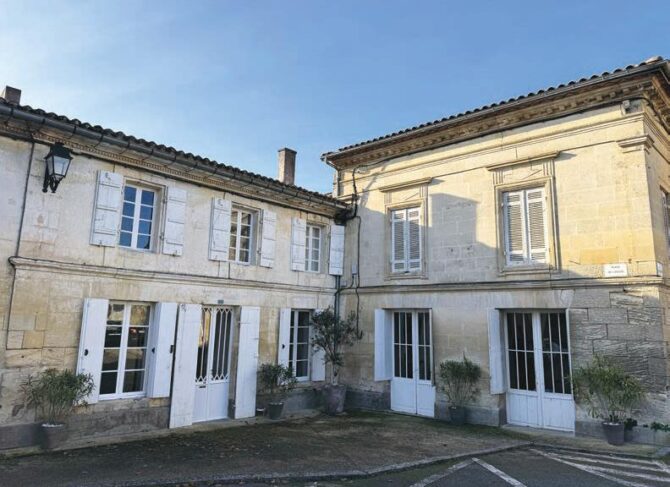
Living part-time in a French village has been a successful experience for Matthew Cushen, he tells Nicola Venning
When Matthew Cushen bought a 600-year-old townhouse in a village outside Bordeaux two years ago, he wasn’t sure that he was doing the right thing. He was planning to alternate between London and France but had never spent time in a small village and had never lived in two homes before. “It was a big experiment to see if I could spend half my life there,” he says.
The 56-year-old entrepreneur and venture capitalist, who likes the area because of his interest in and love of red wine, was therefore very careful where and what type of home he bought. Mindful that he might change his mind, Matthew needed a property that would not only appeal to British buyers but would also “be attractive to French families”. He went on to buy in the lively, agricultural village of St-Germain-du-Puch, about 31km southeast of Bordeaux.
“It’s in the wine-producing region of Entre-Deux-Mers, so it doesn’t have a great wine cachet but it appeals to (French) professionals,” he says. A butcher, two bakeries and quite a smart destination restaurant, are all within walking distance of his home.
There is also a train station with a regular 45-minute commuter service into Bordeaux. If Matthew needs to do some work, his visitors can easily take off for the day using public transport. “Bordeaux is a fantastic city, I love it. And it’s also of interest to my guests so when they visit, it gives me some space if I need it.”
Equally important was the ability to reach his home by train from London. Door to door, the journey is under five hours. “I didn’t want to be dependent on flying because in about 10 years’ time, we might not be doing that much.”
FORMER MONASTERY
Matthew paid €550,000 for the four-bedroom family house in late 2023. “One of the reasons I liked it, was because it was so deceptively big,” he says. The house which used to be a monastery, had also once belonged to the local mayor, as well as his “charming” elderly neighbour. “It used to be her grandfather’s. She also told me that the German commandant during the war (WWII) requisitioned it as his office and home. My games room was the German army’s storeroom.”
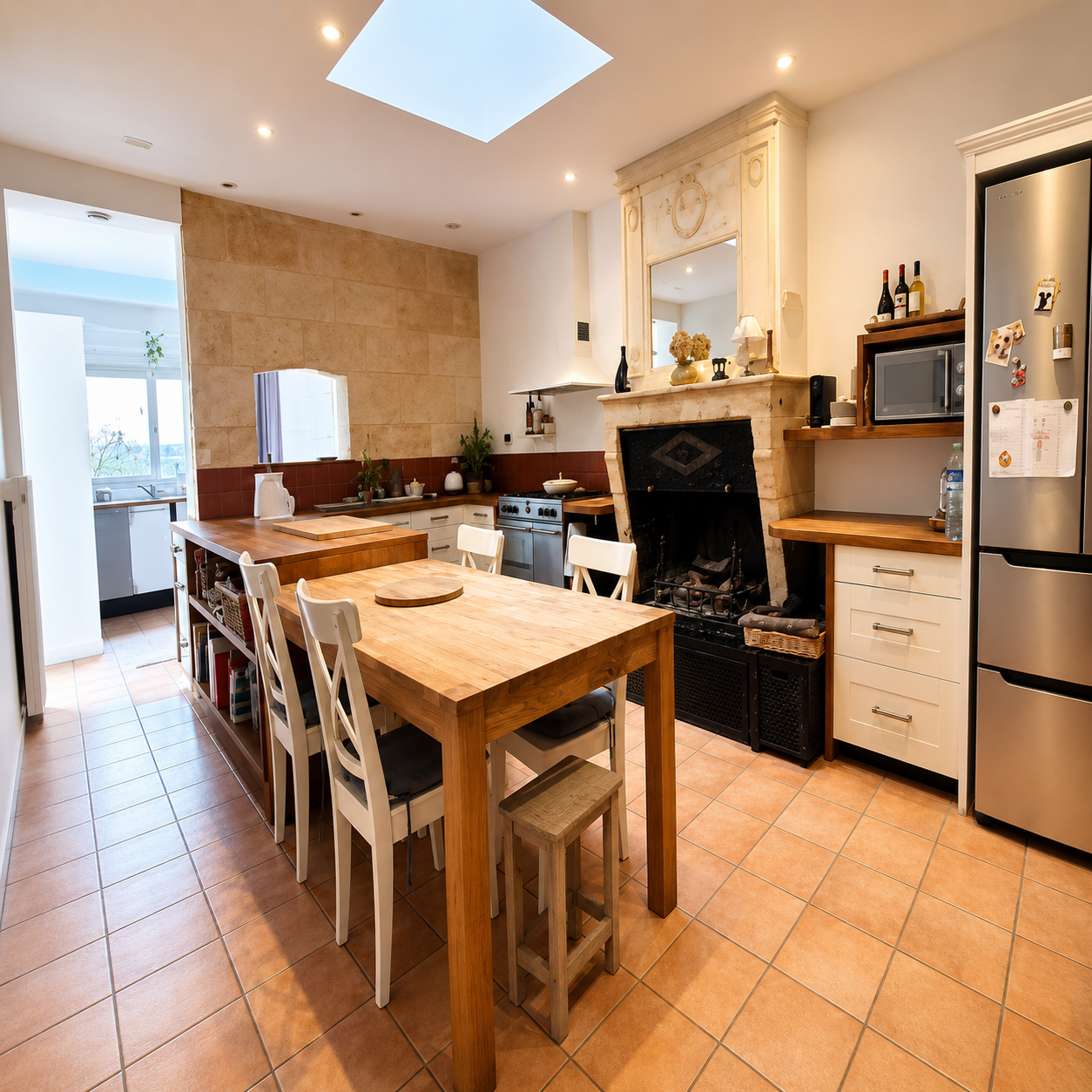
Although the home was perfectly habitable, it was tired and not in the style he wanted, but before making any changes Matthew lived in it for three months to “validate the kind of renovation” he was thinking about. He decided to enlarge the main rooms, maximise the natural light, enhance the original stone walls, and also update the plumbing and wiring. The family bathroom and a smaller ensuite were reconfigured to create an extra one and an additional bathroom was added downstairs.
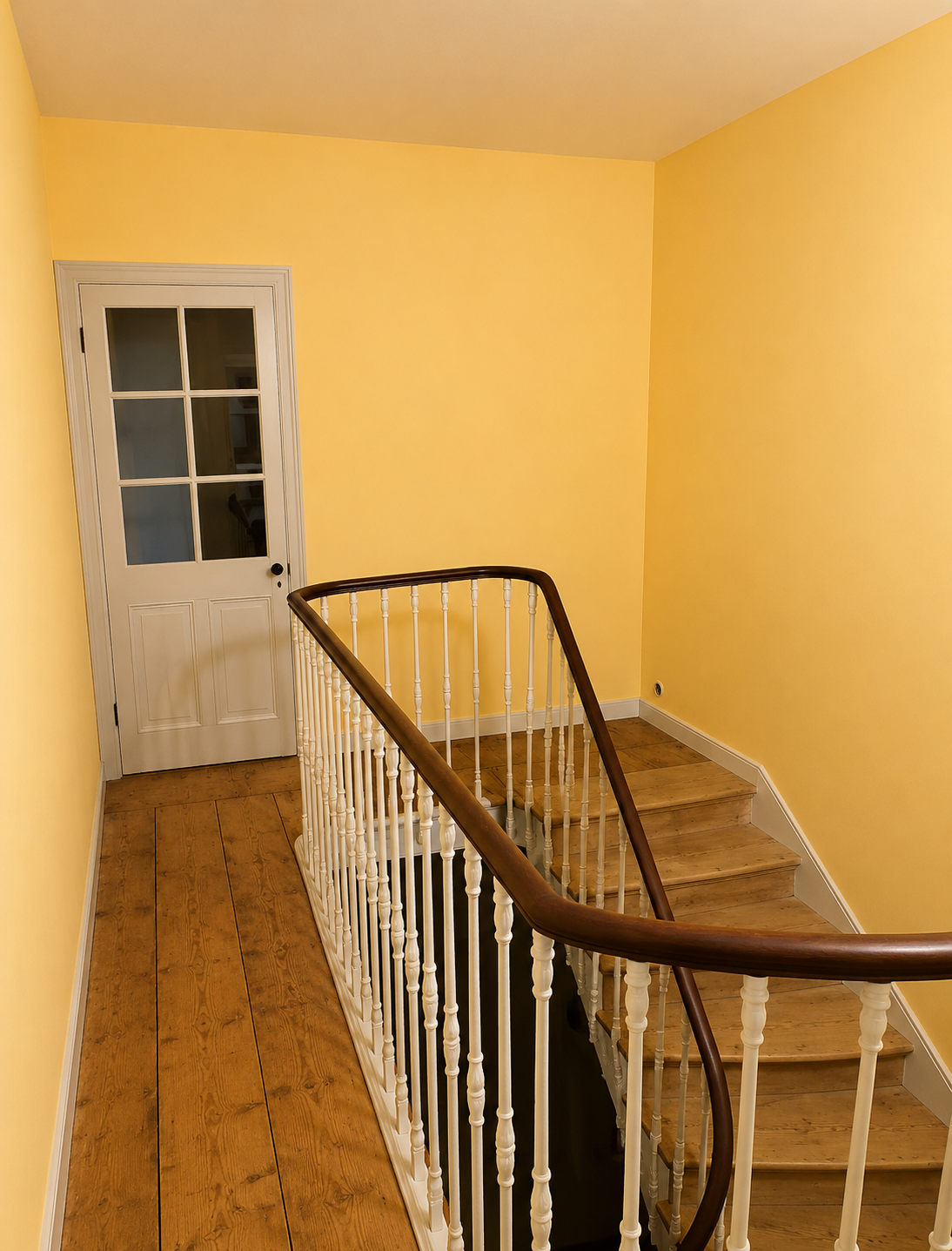
The kitchen was expanded by replacing an old utility room with a shaded terrace, while the elegant stone staircase, which he “just loves”, was repaired and a box room removed to create a wider, lighter landing and make the most of the beautiful ancient stone steps.
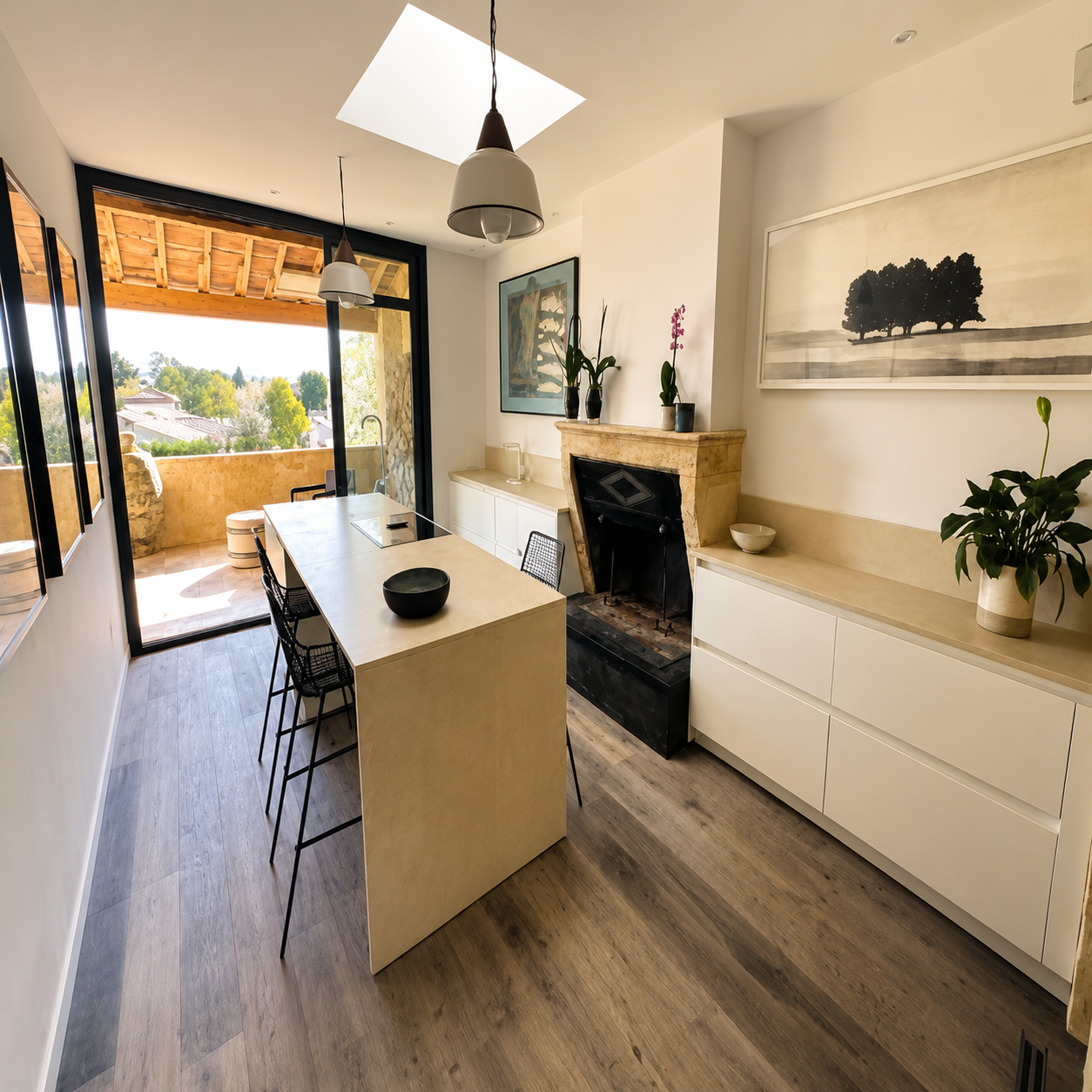
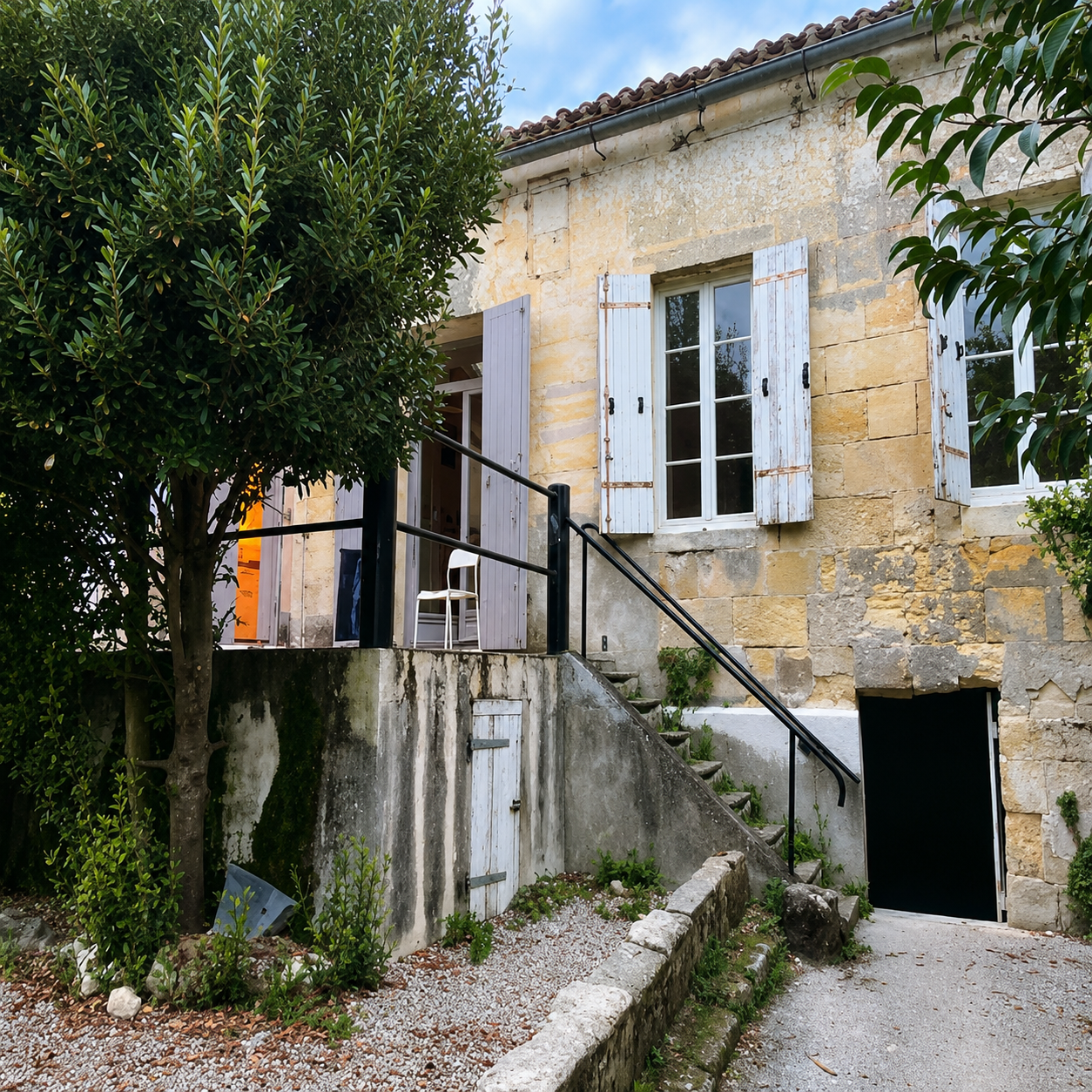
Off the kitchen, an old utility room was replaced by a covered stone terrace
Planning permission was needed in order to add new doors and door-to-ceiling windows at the back of the house, so Matthew hired an architect and had the necessary professional drawings done.
“The architect had the idea of creating a new double-height ceiling in the living room and taking down the false low one, and then I suggested putting in Juliet balconies to make the most of the new height, so we were kind of ring of each other” he explains.
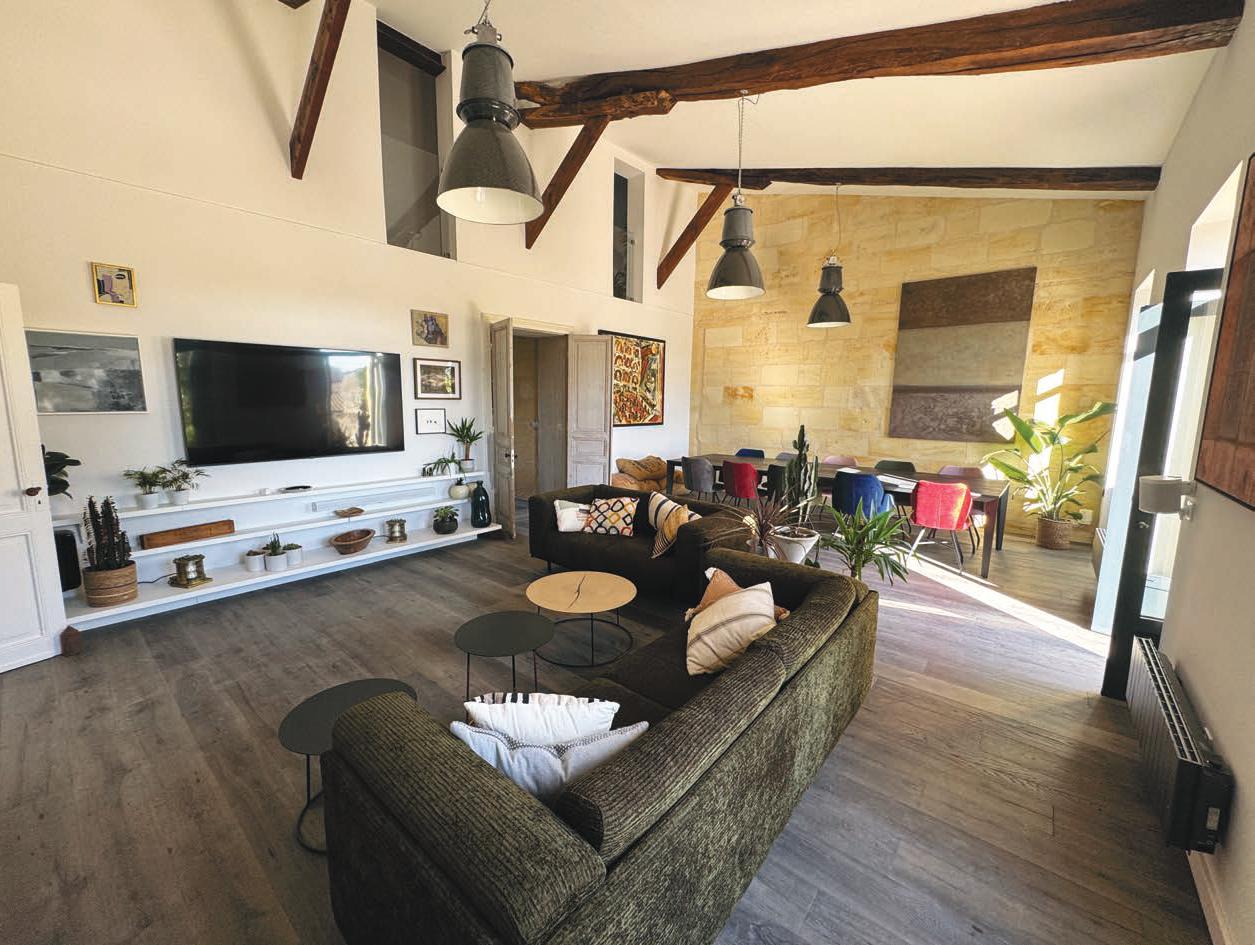
“Matthew wanted to maximise natural light and enhance the original stone walls”
KEEPING IT LOCAL
Handily, the architect also recommended workmen. As he was living in London during the renovation, Matthew visited at least once a month, generally for a day. “What I missed in France was having a foreman or a main contractor. I didn’t arrange it and assumed it would just happen, but the trades or artisans are all quite distinct. However, they all got on really well and there was never an instance where someone said, ‘so and so’s late so I have to charge you more’. I missed having one point of contact though.”
As he wanted to be part of life in St-Germain-du-Puch, and “get under the skin”, Matthew was keen to employ local tradesmen and show that he was “investing in the village”.
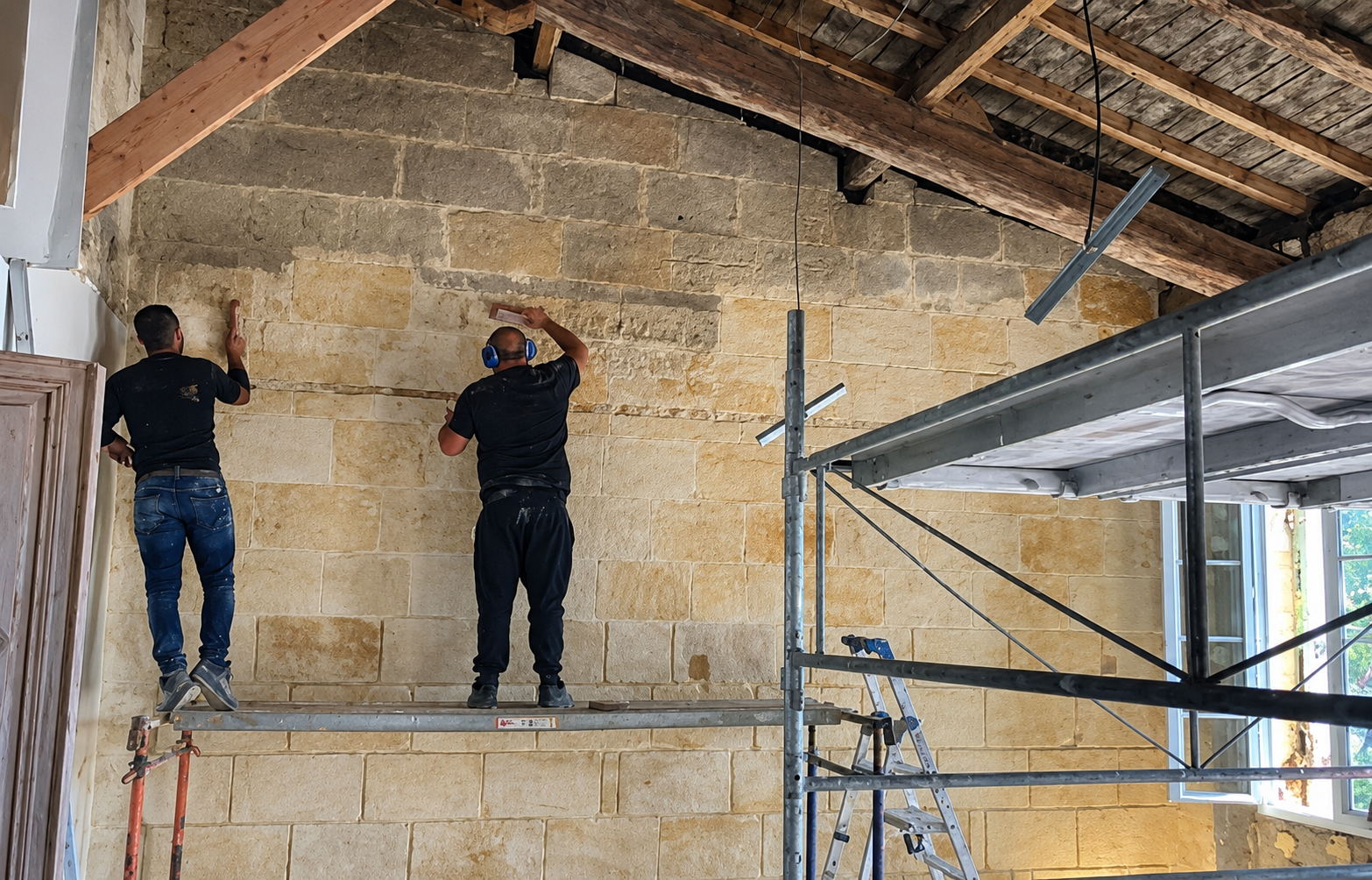
The ceiling was li ed in the living room and the old stone brought back to life
“I only viewed the house for about 15 minutes – it was a great example of when you know, you know”
Fortunately, he was lucky with his electrician who lives near him and has become a keyholder. “He did a great job. He WhatsApps me if there’s something I ought to know. He recommended my cleaner! It’s been a happy outcome.”
The renovation took about six months, in time for the summer, and came in close to Matthew’s original estimates. However, the garden, which he totally transformed by adding a large terrace, long lap pool and landscaping, bumped up the cost by about 40%.
“In my naivety, I hadn’t realised it was going to be quite so pricey,” he says. “But it’s been worthwhile. Last summer I had so many visitors. We were never in the living room, most of the time was spent around or in the pool.” T
he total refurbishment, inside and out, cost €500,000. The architect’s fee was roughly 5% of the final amount (€25,000), which Matthew thought was reasonable.
“I definitely would have spent that if I had got any of the contractor and building stuff wrong,” he acknowledges. However, the purchase price of the house and the renovation cost, at about €1m, is, he admits, more than the house is now worth: “I am under no illusions. I am definitely at a capital loss, but I have created a house that is perfect for what I want to do. I don’t think there is much room in the French market to create value through refurbishments.”
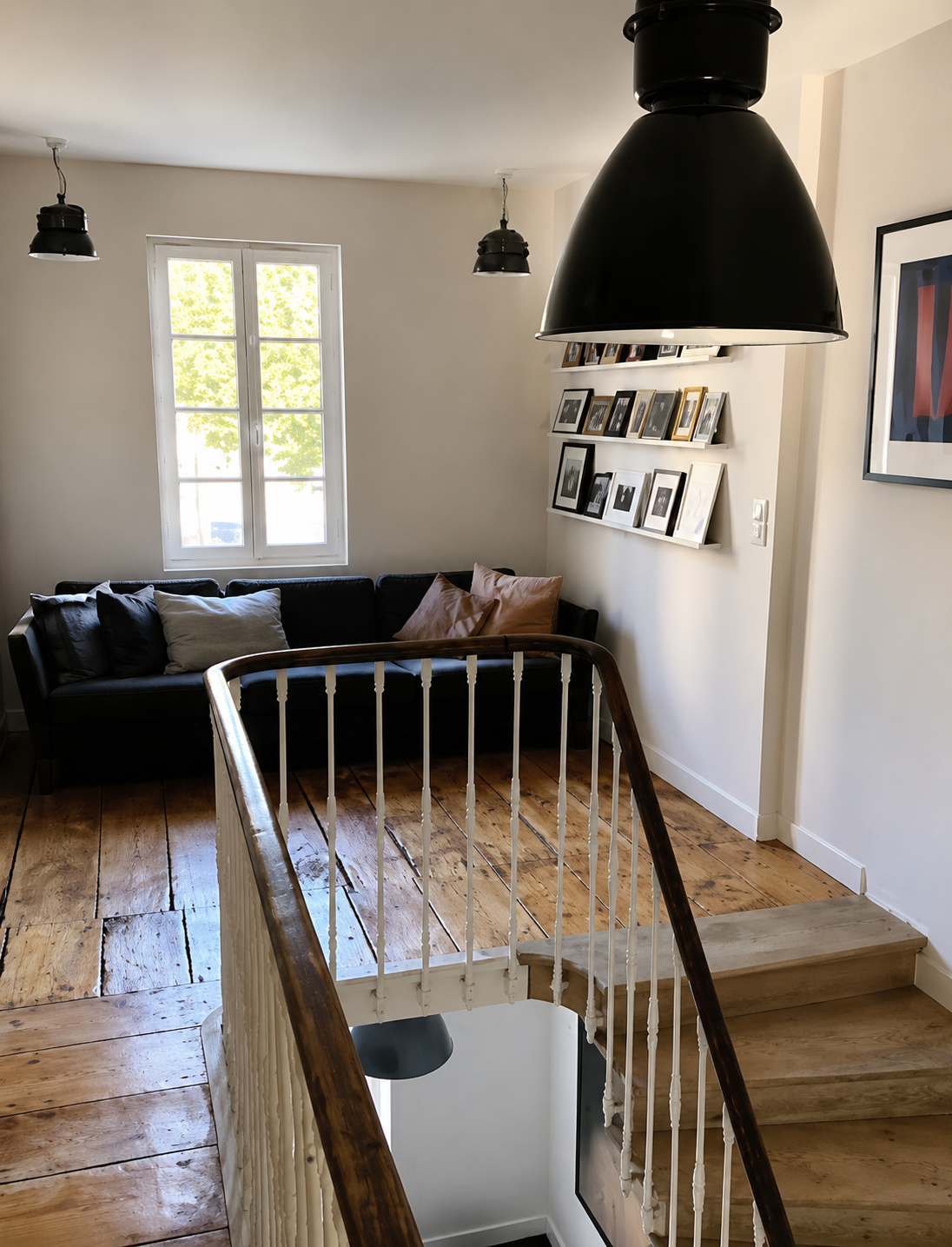
A small box room on the landing was removed to add space and light
WOBBLY WALLS
One of the biggest challenges was a beautiful old garden wall near the proposed terrace and pool, which had become wobbly. “If I tried to mend it in place, I would have lost a couple of months and most of the summer.”
Matthew had it taken down so it didn’t delay the main works, and then later rebuilt. It now has “the original stone around a breeze-block core, which is nice enough, although it no longer looks as beautifully old”.
There was also a problem in the living room when Matthew discovered that one of three main beams in the new double-height ceiling was, in fact, rotten. Although the architect suggested sourcing an older and pricey replacement, Matthew preferred to get a modern, cheaper one.
“One of the things I love about this house is seeing how it’s changed throughout its long life, such as wooden lintels in the walls from doors that are no longer there or old etchings in the stone fireplaces,” he says. “2024 was the year the house needed a new beam. And aesthetically I often like old next to new”.
HAPPY ENDING
A happy surprise occurred when he had the carpets pulled up in the bedrooms and attic. “I didn’t know what was under the floor coverings, but when we removed them we found original floorboards with handmade nails, so that was great and we were able to renovate them throughout.
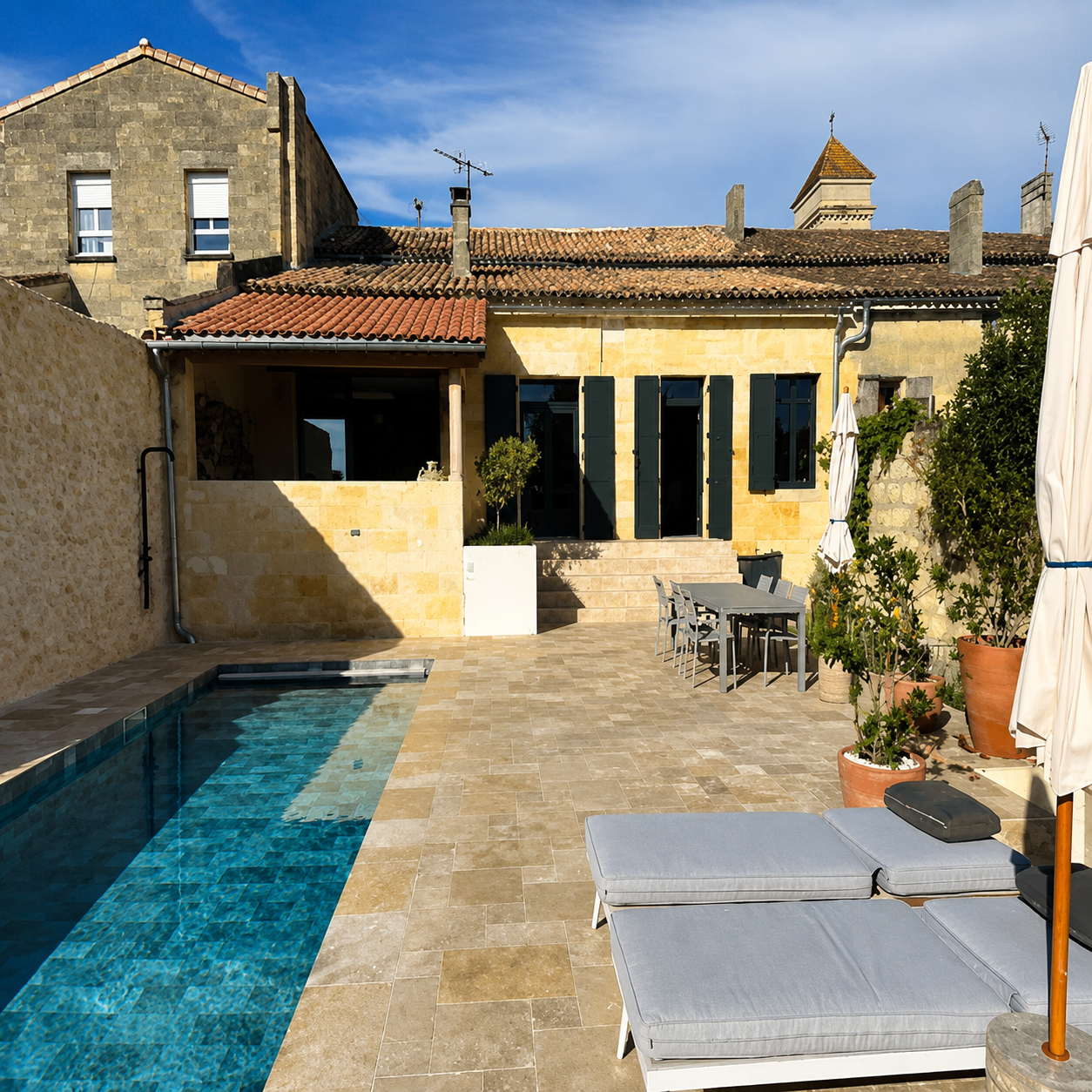
The garden was transformed with a long lap pool and large sunny terrace
“Another pleasant surprise, is that it’s all worked out,” he smiles. The successful purchase was helped by Matthew giving a detailed brief and putting in the legwork. He spent about 18 months searching “in a relatively relaxed way” and visited the area, often with family or friends, six to seven times over long weekends, viewing three or four properties per day. “I didn’t know the region particularly well, although I knew the placenames because of the wine. Hence, I needed to explore around and stay in different places. I learnt a lot through that. Then it was a question of honing down where and what.”
As he did more research, he also realised that he might not need to pay as much as he originally thought. In the end, Matthew fell for a home listed with Leggett Immobilier. “I only saw this particular house for about 15 minutes and there wasn’t an opportunity for me to do a second viewing. It was a great example of when you know, you know.
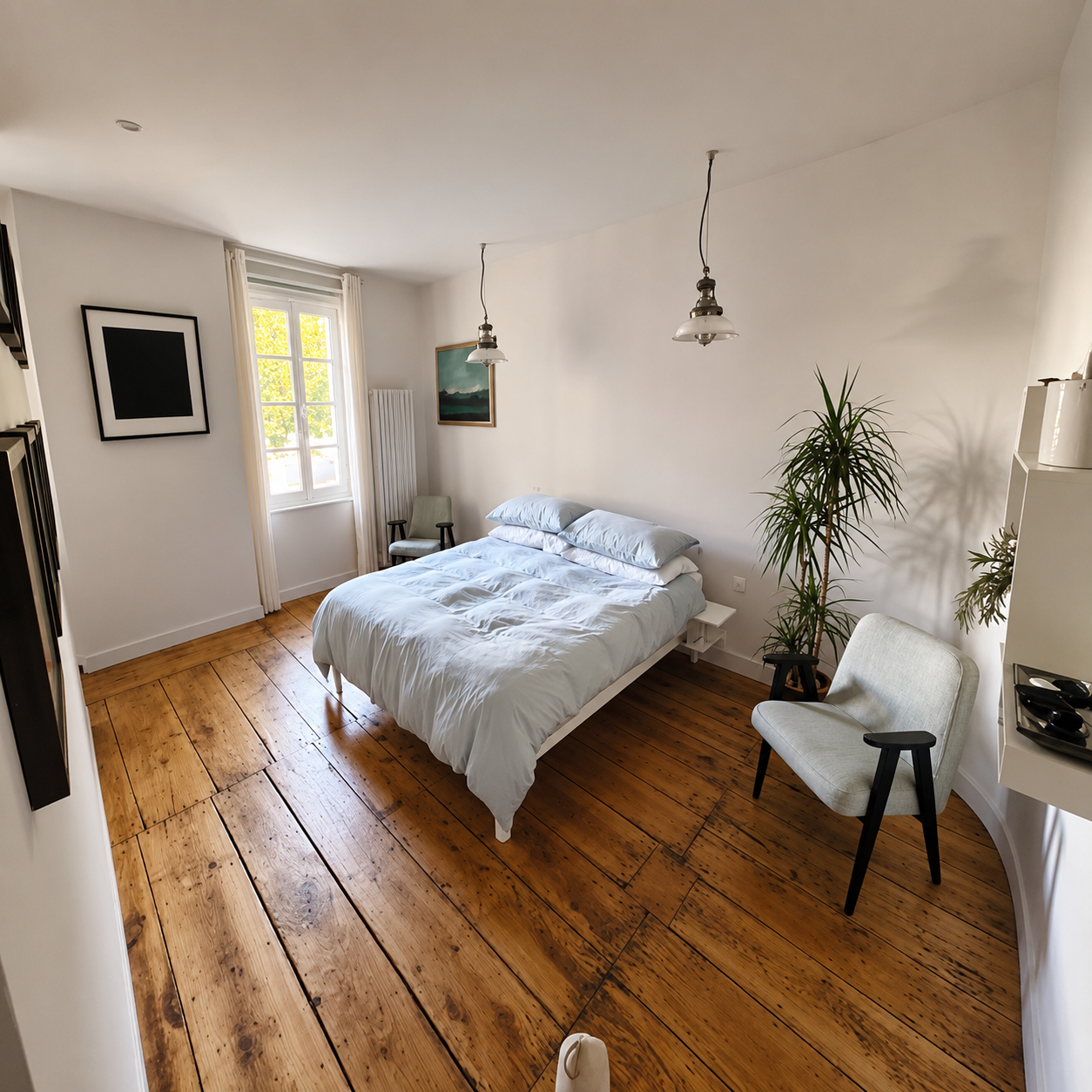
There are four bedrooms – ideal for family and friends when they visit
“People ask me what’s it like living in France? But that’s not the pertinent question. For me, having lived in cities all my life, it’s living in a rural village that I am getting used to. The contrast between the two is really energising. I’m still loving London, but I’m loving France and village life just as much.”
The unique mix of legal, financial and tax advice along with in-depth location guides, inspiring real life stories, the best properties on the market, entertaining regular pages and the latest property news and market reports makes French Property News magazine a must-buy publication for anyone serious about buying and owning a property in France.

Lead photo credit : © MATTHEW CUSHEN
Share to: Facebook Twitter LinkedIn Email
More in Bordeaux, buying near Bordeaux, renovation, restoration, SECOND HOME, village house
Related Articles


Leave a reply
Your email address will not be published. Required fields are marked *