Why Do You Need Property Management for Your French Home?
Advice
Buying a home in France is exciting. Falling in love with exposed beams, a wonky staircase and a garden full of lavender is the easy part. The question that’s easy to skip is: who’s going to look after all this when you’re not there?
For second-home owners living overseas, finding a reliable property manager can matter just as much as finding the right house. In fact, it’s worth thinking about before you buy, not after.
Why think about it before you buy?
France offers an enormous choice of properties, village houses, apartments, big rambling country homes with pools you’ll spend the whole of August cleaning. But the availability of reliable local services varies hugely from one area to the next, and a property that looks perfect on the viewing day can become a real headache to manage if there’s nobody nearby to deal with emergencies, maintenance or regular inspections.
Before you commit, it’s worth investigating what local support actually exists; property managers, cleaners, gardeners, pool specialists, plumbers and electricians, heating engineers, builders and other tradespeople. Knowing you’ve got a reliable local network in place can make the difference between owning a home you love and owning a project that never quite stops.
What does a property manager do?
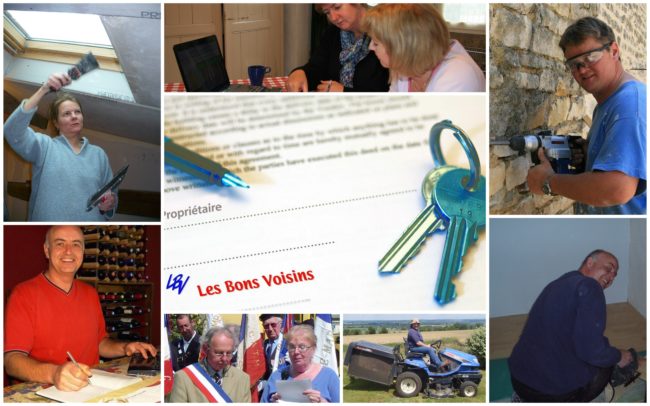
At its core, property management means having someone you trust on the ground when you can’t be there yourself. Services vary, but might include regular property inspections, key holding, checking for leaks, damp or storm damage, garden and pool maintenance, cleaning and preparation before your arrival, organising repairs and contractors, emergency call-outs, meeting tradespeople, managing deliveries, holiday-rental support, and guest arrivals and departures.
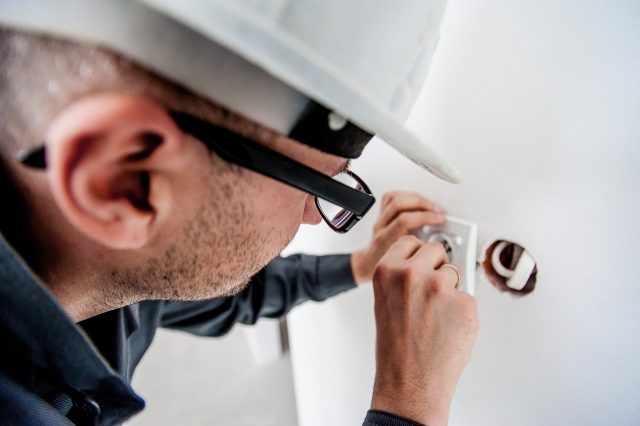
We regularly hear from owners who’ve just finished their first summer season and are heading back to the UK for a few months, worried about leaving the place empty, will the garden get away from them, is the property secure, what happens if there’s a storm? A “cared for, lived in” look is one of the best deterrents against burglary there is, and that’s exactly what regular visits and security checks provide.
The value isn’t just convenience, it’s timing. A water leak spotted quickly is usually a simple repair. Left unnoticed for a few months, the same leak can mean stripped-out floors and a much bigger bill.
It’s not always something dramatic, either. We’ve had one owner whose wife can’t abide spiders, who found the cobwebs back within days of the house being cleaned and prepared for their arrival; another was convinced a summer drought meant snakes were moving into the garden. Neither is an emergency, but both are exactly the kind of thing a property manager who’s actually local can reassure you about, or quietly deal with, rather than you worrying about it from three countries away.
What if you’re planning to rent it out?
If you’re hoping to let your French home to holidaymakers, professional management becomes even more useful, and the rules have become a lot more complicated.
Furnished tourist accommodation (meublés de tourisme) now needs to be registered through a national system, with a legal deadline of 20 May 2026, although the national portal is still being rolled out through the rest of the year, so many owners are currently registering via their commune while that continues. Local authorities also have wider powers to restrict holiday rentals, and in some cases can reduce the principal-residence letting limit from 120 to 90 days a year.
Tax rules have changed too. For income earned in 2026, the micro-BIC threshold is €15,000 for unclassified furnished tourist accommodation (30% allowance) and €83,600 for classified accommodation (50% allowance), up from €77,700 for income earned in 2025. The rules vary by property and by commune, so it’s worth checking local requirements and getting proper tax advice before deciding how to run things.
Choose the support before you choose the house
A remote farmhouse might look idyllic in June, but if the nearest reliable plumber is an hour away and there’s no property-management service nearby, ownership can turn frustrating fast. Equally, a property in a popular tourist spot might look like an obvious holiday-let investment – until you discover local rules restrict exactly how you can use it. Understanding these practical realities before you buy can save you a lot of expensive surprises later.
Is it worth the cost?

If you’re living in France full time, it’s worth checking what tax reliefs might apply to you as a resident before ruling it out. If you’re based in another country, it can be one of the most valuable services you ever arrange. A good property manager becomes your eyes and ears on the ground – spotting problems, organising local professionals, getting your home ready for your arrival, and generally making sure it’s properly looked after while you’re away
The result is straightforward: less worry, fewer nasty surprises, and more time actually enjoying the house you fell in love with in the first place.
About Les Bons Voisins
Les Bons Voisins provides property-care, maintenance, inspection and rental-related services for owners of French property, helping absentee owners manage the practical responsibilities of looking after their homes.
Please note: French property, rental and tax regulations can change and local rules vary. This article is general information, not legal or tax advice.
With thanks to Les Bon Voisins
www.lbvfrance.com
email: [email protected]
Share to: Facebook Twitter LinkedIn Email
Related Articles


Leave a reply
Your email address will not be published. Required fields are marked *