
How do you make your swimming pool more energy-efficient and eco-friendly in France?
Advice
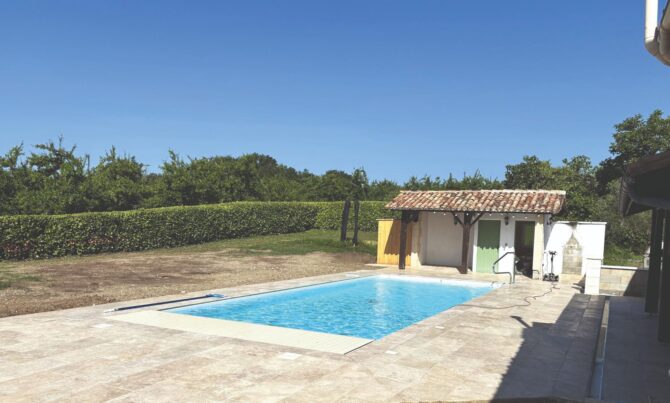
How do you make your piscine more energy-efficient and eco-friendly in France? Julia French reveals how the pool world is keeping pace with today’s planet-conscious concerns…
Many homes in France, particularly in the warmer south, have pools for cooling off in. In these eco-conscious times – whether you’re installing a new pool or maintaining an existing one – we have some ideas to help you reduce your impact on the planet and your pocket…
CHOOSING YOUR POOL
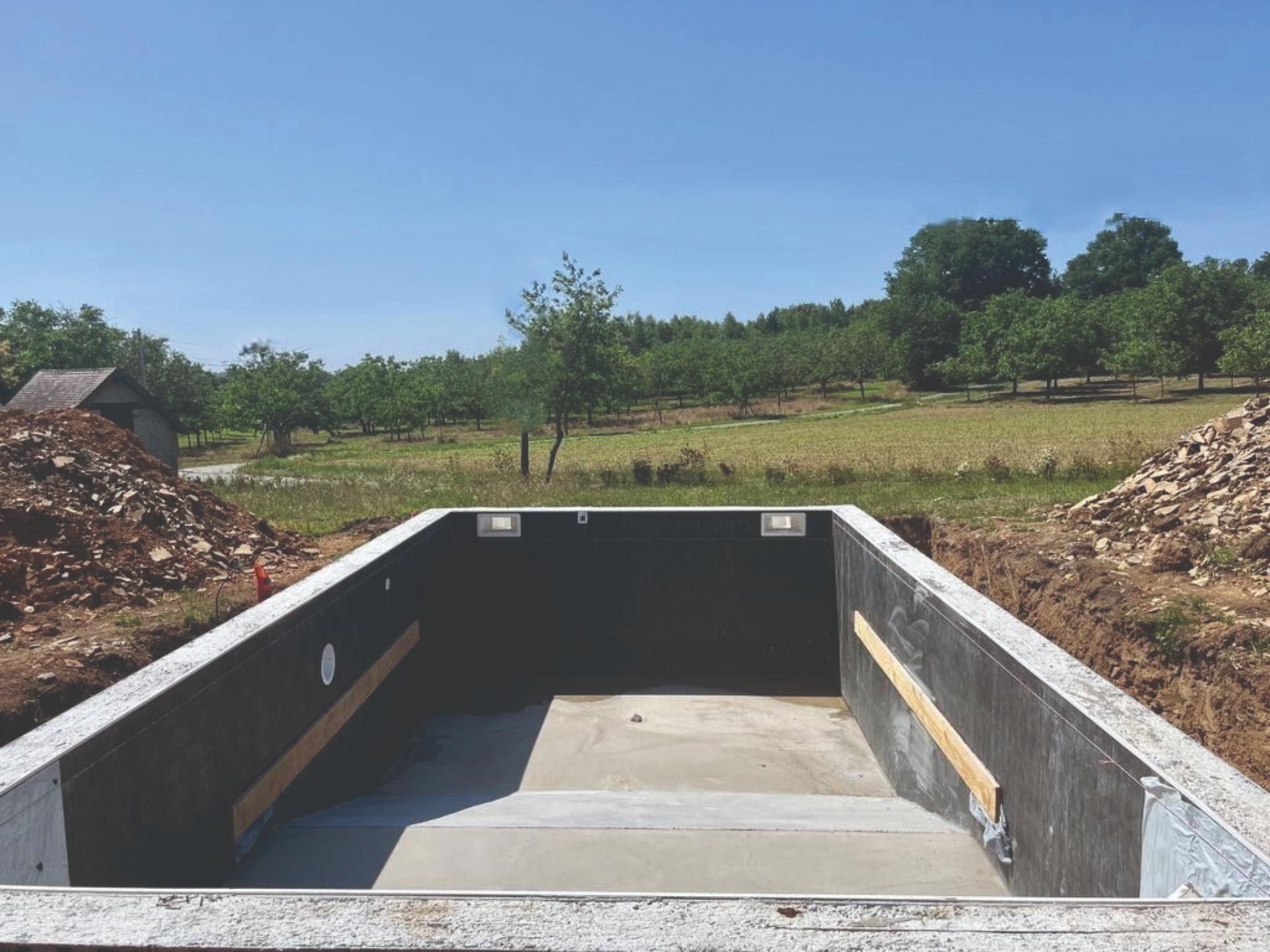
Panels pic of Jans pool
When choosing your pool consider the construction and the longevity. It’s all well and good to have a pool that’s quick to install thereby saving on labour costs, but depending on the quality it may only last 20 years before it goes off to the landfill site. Disposing of material such as fibreglass is a costly practice as they are non-biodegradable and not easy to recycle.
A reinforced concrete pool made from breeze blocks is not ideal due to the emissions and energy used in the production of cement, but this type of pool does provide much greater longevity so is a better choice. An option using less concrete is offered by a number of pool installers in France. It employs panels made from recycled polypropylene that essentially act as shuttering and are reinforced with steel and filled with concrete, but less than would be used in traditional pool construction methods. This also reduces transport emissions as it is lighter and produced in France. These pools have a longevity, in line with the concrete pool. The pool structure can last a lifetime and the liner up to 25 years, depending on the quality. A natural pool or bio pool, is more often than not constructed using concrete is some form or another, however, this pool is definitely the winner in terms of water treatment and filtration usage.
Natural pools use biological filters and aquatic plants to clean the water, eliminating chemicals entirely. While not suited to everyone’s taste, they’re a stunning, zero-chemical option. If you have an existing conventional swimming pool, this can be converted to a natural pool, but it’s quite a costly option.
SALT SWIMMING
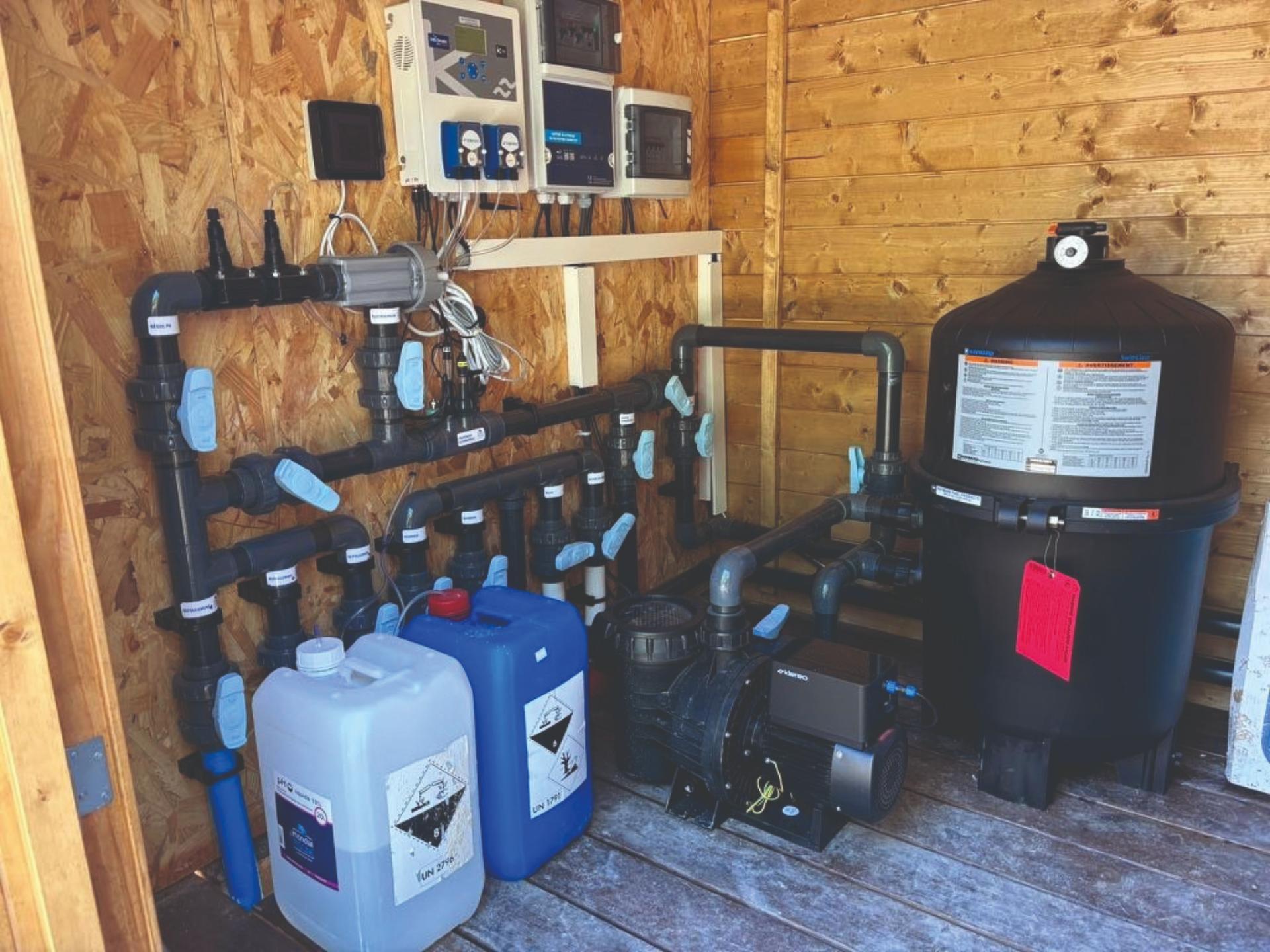
varaible speed pump and cartridge filter
If you treat your pool with weekly doses of chlorine, you could switch from this to saltwater chlorination. The system regulates the amount of chlorine produced so you don’t have to play a guessing game about how much to add. The chlorine in your pool is used to fight bacteria introduced by swimmers, but the sun, water temperature and a high pH also put a demand on chlorine usage.
The saltwater system works by generating chlorine through a process of electrolysis. Salt is added to the pool water, sand with recycled glass media is a great way to cut back on the back-washing, as this can be reduced to a few times a season. An even better way to save on back-washing and at the same time benefitting from improved filtration is a cartridge filter. New innovation and greater capacity mean this is the optimum choice when looking at both water clarity and reduced water consumption.
There is no back-wash option, instead the cartridge is taken out and hosed down. In most cases, this is only necessary once or maybe twice a season – depending on use. It is, however, worth noting that this is not a cheaper option and not all models are the same.
POOL COVER
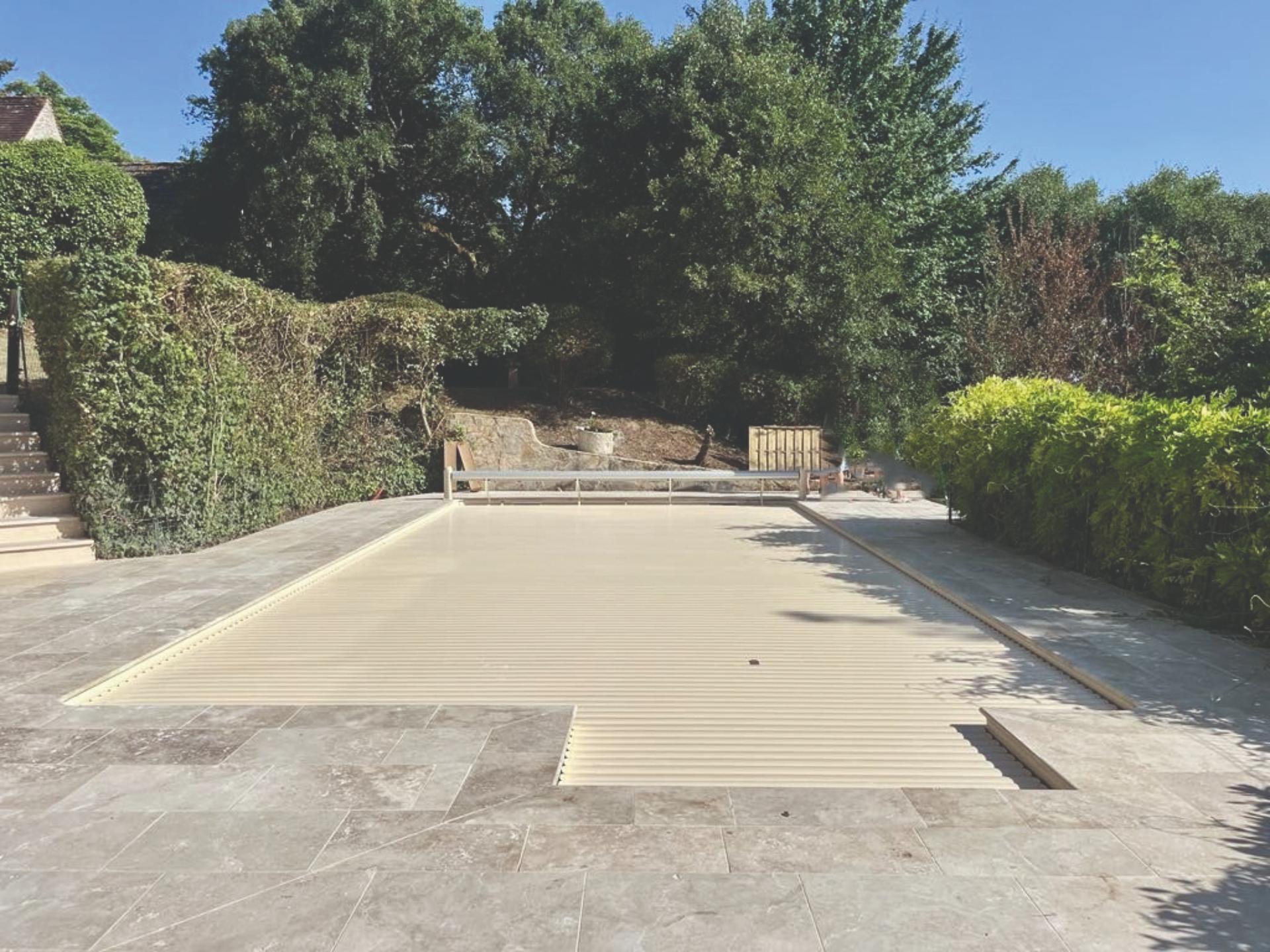
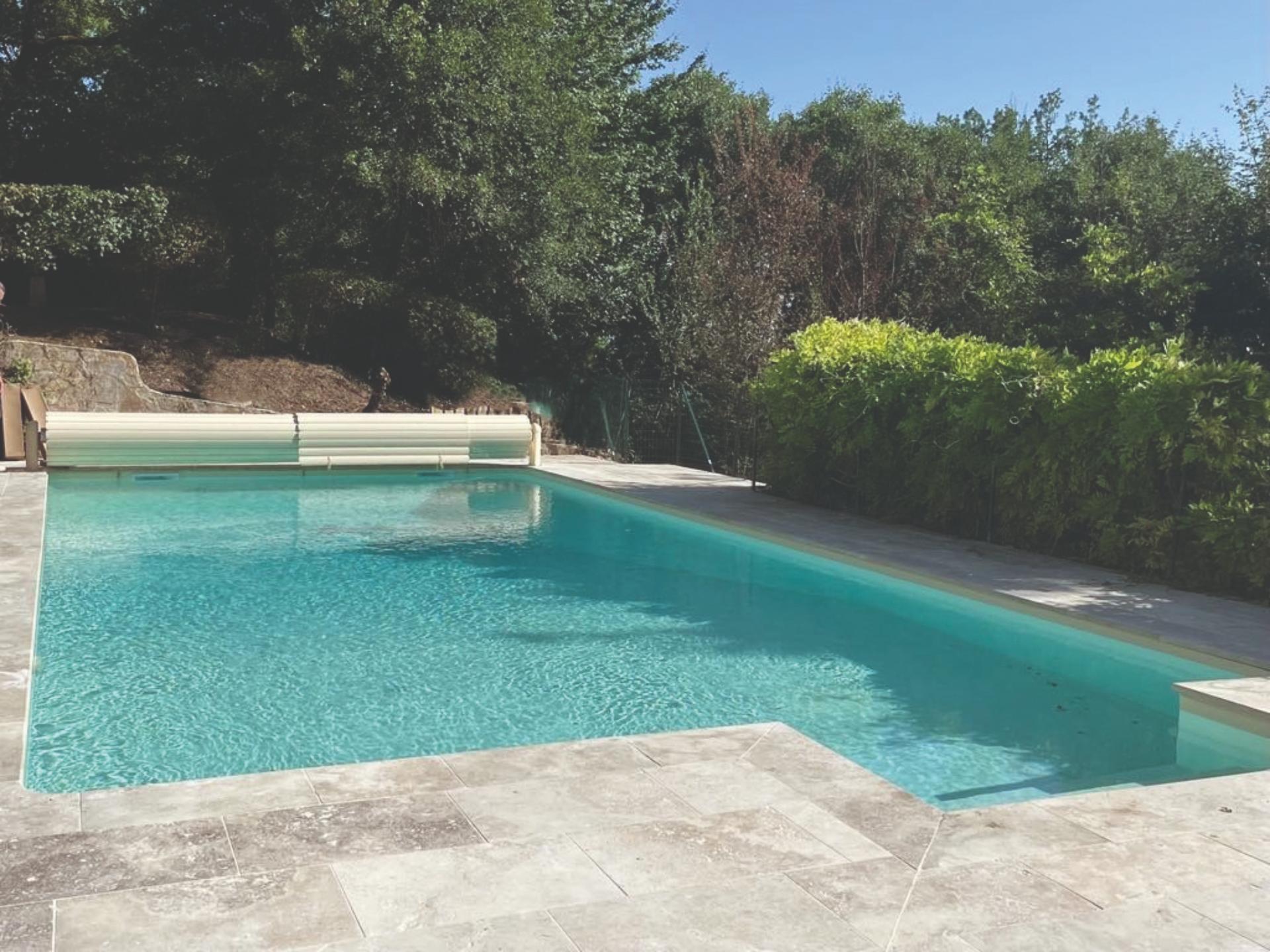
Henrietta cover 1
Having a pool cover is one of the simplest and most effective ways to reduce energy loss. An uncovered pool can lose up to 70% of its heat through evaporation. Covering it at night or when not in use helps retain warmth, limits evaporation, and keeps debris out, reducing the need for cleaning and chemical treatment.
By using a good cover, you could reduce heating needs by 50% or more, especially useful in spring and early autumn. Also, in terms of saving water, an uncovered pool can lose a centimetre a day through evaporation, so keep that cover on when the pool is not in use.
SUN POWER
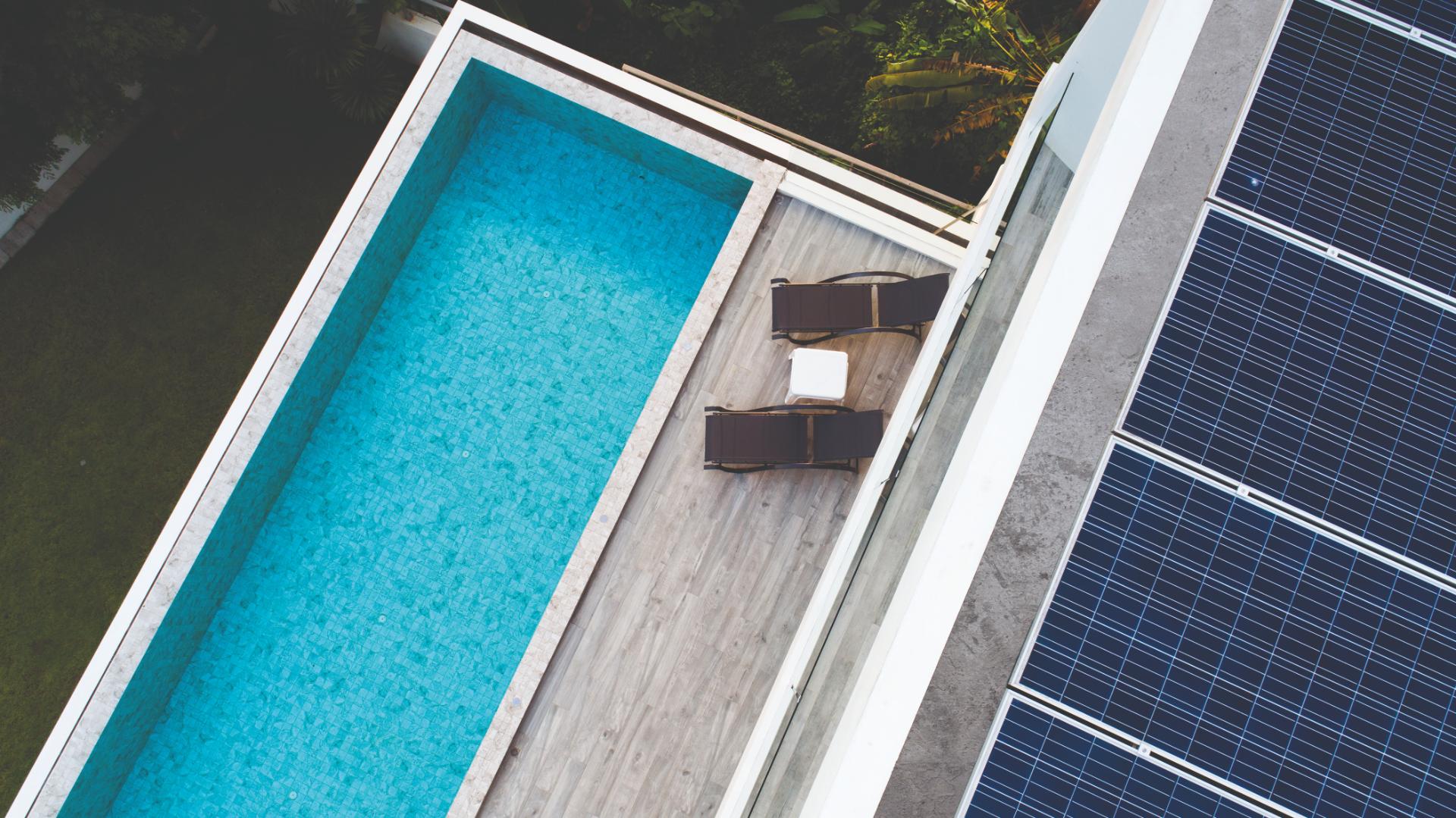
Photo: Shutterstock
Solar-heating systems use panels – glazed or unglazed – to absorb the sun’s energy and heat the pool water. While the initial setup costs more than electric heaters, they have very low running costs and almost no environmental impact. If your roof or garden has space, consider combining a solar-heating system with photovoltaic panels. These can power your pool pump, lighting, or even help with your home’s electricity needs.
EFFICIENT LIGHTING
henrietta cover
Pool lighting is a must for most pool owners but is a drain on energy. However, if you switch to LED pool lights, you will use up to 85% less electricity than if you had traditional halogen or incandescent bulbs. LED lights also last up to 25 times longer. You can operate them from your phone to ensure they are only on when you want them to be.
SHOP SMART
Being eco-friendly doesn’t stop at how you run your pool, it includes what equipment you buy. With so many choices available, choosing with the aid of trusted certifications helps you make more sustainable, long-lasting decisions. The international label Energy Star identifies products that meet high energy-efficiency standards. This would be relevant when looking to buy pool pumps, heat pumps and your LED lights. These products typically use much less energy. The NSF/ANSI 50 certification focuses on the performance and safety of pool equipment. If a product has this mark, it means it has been independently tested to meet strict standards. It’s particularly relevant for filtration systems, chemical feeders and sanitising systems.
Buying certified equipment is a simple way to reduce your environmental impact, while ensuring you’re not cutting corners on safety or quality. It also often means the equipment will last longer, saving on replacement and waste.
ACT RESPONSIBLY
Swimming pools will always require a certain amount of energy and water, it comes with the territory. But the idea that they must be wasteful is increasingly outdated. With the technologies and materials available today, it is possible to enjoy the benefits of a pool while significantly reducing its environmental impact.
From choosing locally made components to installing more efficient pumps, covers, and heating systems, each of these small decisions add up to meaningful savings, in terms of energy and long-term costs.
Not every solution suits every pool, but the more thoughtful we are in how we build, use and maintain them, the better they’ll fit into the changing environmental landscape. After all, enjoying your pool should feel good in every sense. Whether you’re already a proud pool owner or just dipping a toe into the idea, remember you don’t have to choose between luxury and responsibility. With a little effort and maybe a decent pool cover, you really can have both.
And if your pool starts saving you more energy than persuading your teenager to turn lights off after them… well, that’s just a bonus.
Julia French runs Pristine Piscines in southwest France
Tel: 0033 (0)6 32 10 39 92
The unique mix of legal, financial and tax advice along with in-depth location guides, inspiring real life stories, the best properties on the market, entertaining regular pages and the latest property news and market reports makes French Property News magazine a must-buy publication for anyone serious about buying and owning a property in France.

Share to: Facebook Twitter LinkedIn Email
More in eco-friendly, swimming pools
Related Articles

By Julia French
Leave a reply
Your email address will not be published. Required fields are marked *