
How to Open Your Outdoor Swimming Pool in Spring
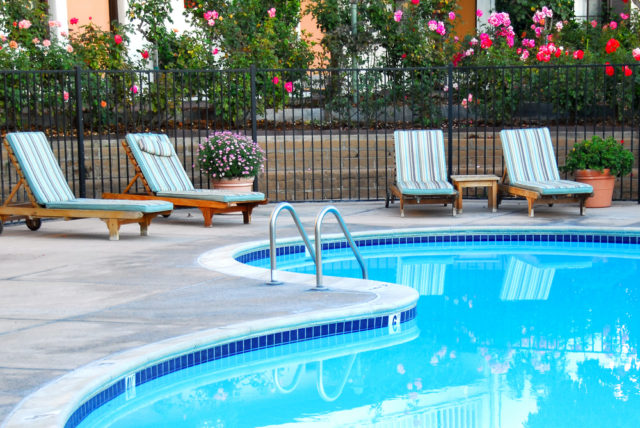
With France’s often mild spring weather, you may be tempted to open your swimming pool earlier in the season. How can you make sure it is ready for that first refreshing dip?
The exact steps will vary depending on your pool type, treatment system and the way it was winterised, but the general process is much the same: remove and clean the cover, restore the water level, reconnect equipment, clean the pool thoroughly, rebalance the water and restart filtration before bathing begins.
When should you reopen your pool?
In general, it is best to reopen your pool before the water becomes too warm and algae has a chance to take hold. Many owners in France do this in early to mid-spring, depending on the weather and region.
Opening early often makes the job easier. The water is usually cleaner, the treatment process is simpler and you are less likely to be dealing with green water by the time the first warm days arrive.
If you closed your pool fully for winter, reopening will be more involved. If you used passive winterising and kept the system ticking over during colder months, the process may be lighter.
Check the cover and the area around the pool
Before doing anything else, clear away leaves, dirt and standing water from the pool cover or shelter. This helps stop debris from falling into the pool when it is opened.
Once you remove the cover, clean it thoroughly and let it dry before storing it away. A solid winter cover, flexible cover or safety cover should all be fully dry before storage to help prevent mould and damage. If you use a pool enclosure or abri, clean the panels, tracks and seals so everything is ready for the season ahead.
It is also worth tidying the area around the pool at this stage. Sweep away winter debris, check for slippery surfaces and make sure nothing has built up around skimmers, drains or pipework.
Inspect the pool before restarting anything
Before topping up the water or switching equipment back on, give the pool a careful visual inspection.
Check for any obvious signs of winter damage, such as cracks, loose tiles, liner movement, frost damage, leaks around pipework, or wear to steps, ladders and fittings. If you have an above-ground pool, inspect the structure and supports as well as the liner.
This is also a good time to check any safety equipment. In France, private pools that fall under the safety rules should have the required protection in place, whether that is an alarm, barrier, cover or shelter. Spring opening is a good moment to make sure everything is still working properly.
Restore your water level
If the water level was lowered for winter, refill the pool back to its normal operating level. This is especially important before restarting the filtration system, as skimmers and pumps may not work properly if the level is too low.
Top up gradually and keep an eye on it as you go. If you use stored water, make sure it is suitable. For most owners, mains water is the simplest option.
Clean the pool thoroughly
Even if the cover has done a good job, most pools will need a proper clean after winter. Skim out leaves and debris, brush the walls and floor, and clean the steps, ladders and waterline.
The right tools will depend on your pool type. Liner and above-ground pools need gentler cleaning than tiled, concrete or fibreglass pools, and natural or lagoon-style pools may need a more careful biological clean rather than a chemical-led one.
Once the visible debris has been removed, vacuum the pool or use a robot cleaner if you have one. You can run the filtration system for several hours, or overnight if needed, to help clear the remaining fine particles.
Check your filter
This step is often overlooked, but it can make a big difference when reopening the pool. If you have a sand filter, it may need backwashing and rinsing before normal use. Cartridge filters should be cleaned carefully and replaced if worn. If you use a DE filter, follow the manufacturer’s instructions for cleaning and recharging it.
A dirty or poorly maintained filter will make spring opening slower and can leave the water cloudy even after treatment.
Reconnect any equipment
If you disconnected equipment for winter, reconnect it carefully before turning anything on. This may include the pump, filter, heater, heat pump, salt chlorinator, UV system, automatic dosing unit or robotic cleaner.
Remove winter plugs, reconnect unions and pipework, clean out baskets and strainers, and check seals for leaks or wear. If your equipment remained in place over winter, inspect it before use and make sure nothing has seized up or perished.
You may need to prime the pump and release trapped air from the filtration system before it starts circulating normally. Once everything is running, check for leaks and make sure the system is flushing through correctly.
Test and rebalance the water
Once the pool is circulating again, test the water and bring it back into balance. The exact readings you need will vary depending on the type of pool and treatment system you have, but in most cases you will at least need to check pH and total alkalinity first.
You may also need to test disinfectant levels, calcium hardness, stabiliser and, for saltwater pools, the salt level before restarting the chlorinator. If you use bromine, active oxygen or UV treatment, make sure you are checking the appropriate levels for that system.
It is best to rebalance the water in stages rather than throwing in multiple products at once. Start with alkalinity and pH, then move on to the other levels once those are where they should be.
If your water has discoloured over winter or your supply is high in metals, a specific anti-metal treatment may also be useful to help prevent staining.
Do you need to shock the pool?
Not every pool needs to be shock treated when reopening, but many do. If the water is cloudy, green, has an odour, or has been sitting stagnant for a long time, a shock or deep treatment may be the right next step. For a chlorine pool, this usually means adding a larger-than-normal dose of chlorine to destroy algae, bacteria and organic matter.
Saltwater pools may still need a shock treatment at the start of the season, while bromine and other systems should be treated using the appropriate products for that setup. Natural pools are different again, and should not be treated in the same way as a conventional chlorinated pool.
Always follow the product instructions carefully, use suitable protective gear and give the treatment time to circulate fully before using the pool.
Run the system and monitor it
After cleaning and treatment, let the filtration system run for long enough to circulate the water properly. In the first day or two after opening, many owners find it helpful to run filtration for longer than usual while everything settles.
Keep an eye on the water clarity, check that the pump and filter are working smoothly, and make sure heaters, heat pumps or dosing systems are operating as they should.
If the water remains cloudy or green, the problem is often incomplete filtration, poor water balance, a dirty filter or insufficient treatment rather than a single dramatic fault.
Final checks before swimming
Before you officially reopen the pool, test the water again and make sure everything is stable. The water should be clear, the chemistry should be within the correct range for your pool type, and all equipment should be functioning properly.
This is also the moment to check that safety equipment is in place, steps and ladders are secure, and any covers, alarms or barriers are working as intended. Once those final checks are done, your pool should be ready for the season.
Owning a swimming pool is one of the great pleasures of life in France, but good maintenance is essential. Reopening it properly after winterising will help protect your pool, extend the life of your equipment and make the rest of the swimming season much easier.

Want more help with your France property journey? Join Membership, search our Property Portal, subscribe to French Property News, and follow our YouTube channel for the latest advice and updates. Join us at the French Property Exhibition for expert advice and property inspiration.

Share to: Facebook Twitter LinkedIn Email
More in Pool, Pool maintenance, swimming pool, swimming pools
Related Articles



Leave a reply
Your email address will not be published. Required fields are marked *