
French Interiors: How to Make an Entrance With Your Hallway
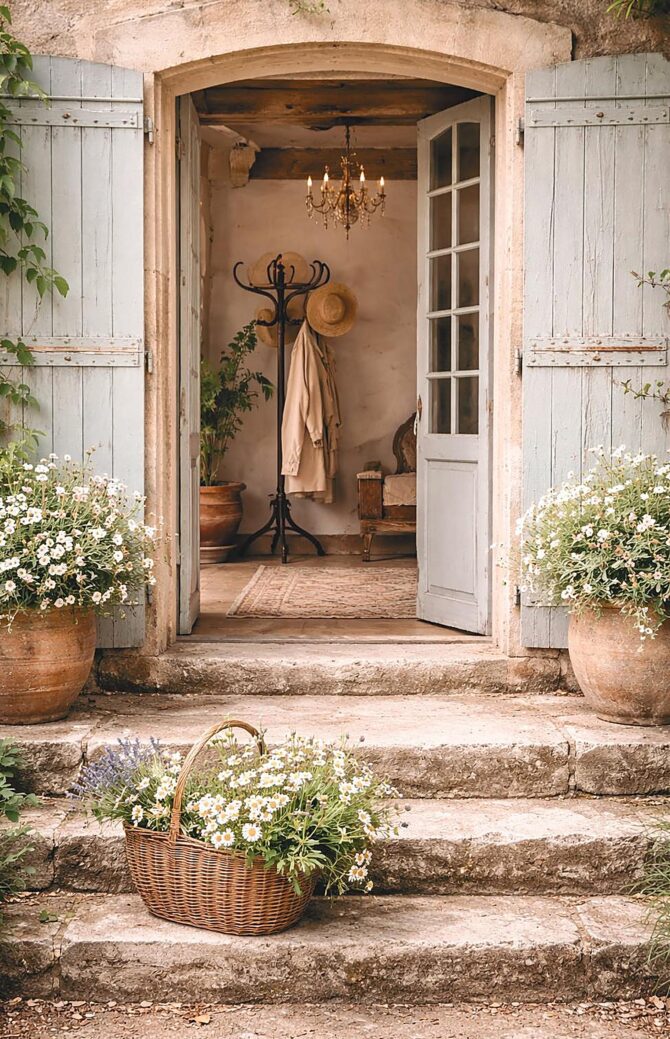
Susannah Cameron offers some stylish ideas to decorate an entryway and make your guests feel welcome
An entryway is often thought of as a space we don’t really spend time in, just somewhere we pass through. In reality, it is one of the most social parts of a home. It is where a neighbour drops off the scarf you left behind after dinner, where eager trick-or-treaters arrive at Halloween, and where goodbyes stretch longer than intended after a lively evening with friends. Conversations at this threshold have a habit of lingering.
You can take in a surprising amount when you first arrive at someone’s front door. A glimpse down a hallway, the smell of something baking, or a familiar scented candle burning on a sideboard. There may be a family cat weaving and purring around ankles, or a dog enthusiastically greeting visitors and investigating the stories carried in on their shoes.
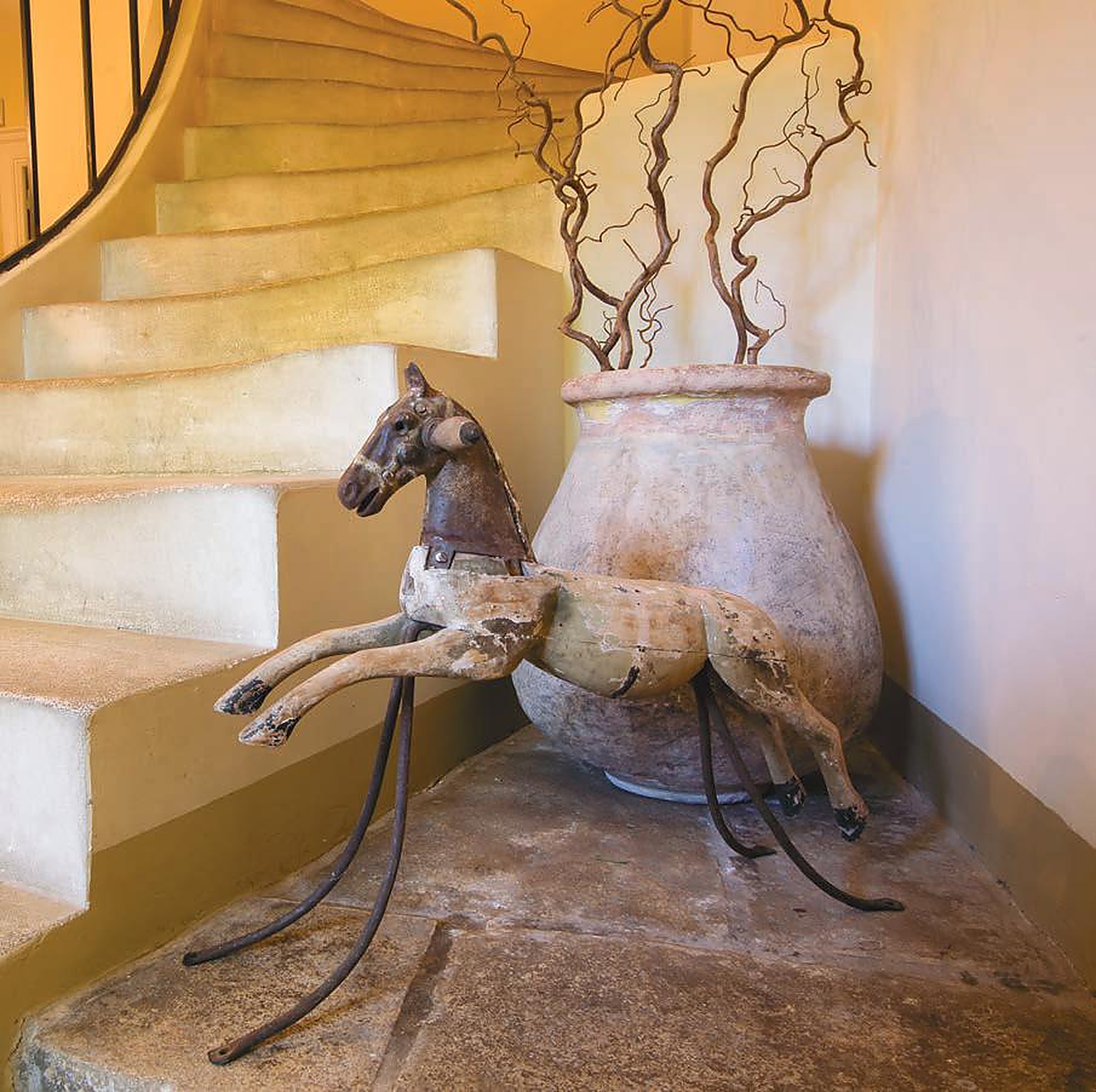
An entryway should feel welcoming;
These moments are universal, whether in our own homes or when arriving at friends’ houses here in Provence. There is something especially lovely about being welcomed into a warm house in the early evening, with the sun setting on the outside world and dinner on its way.
FIRST IMPRESSIONS
The hall or entryway deserves far more attention than it often receives. It is also one of the hardest-working areas of the house. Guests may never see a study, a spare bedroom, a home cinema or a wine cellar, but they will always experience the entrance. It receives more foot traffic than most other rooms, which alone makes it worth thinking about carefully.
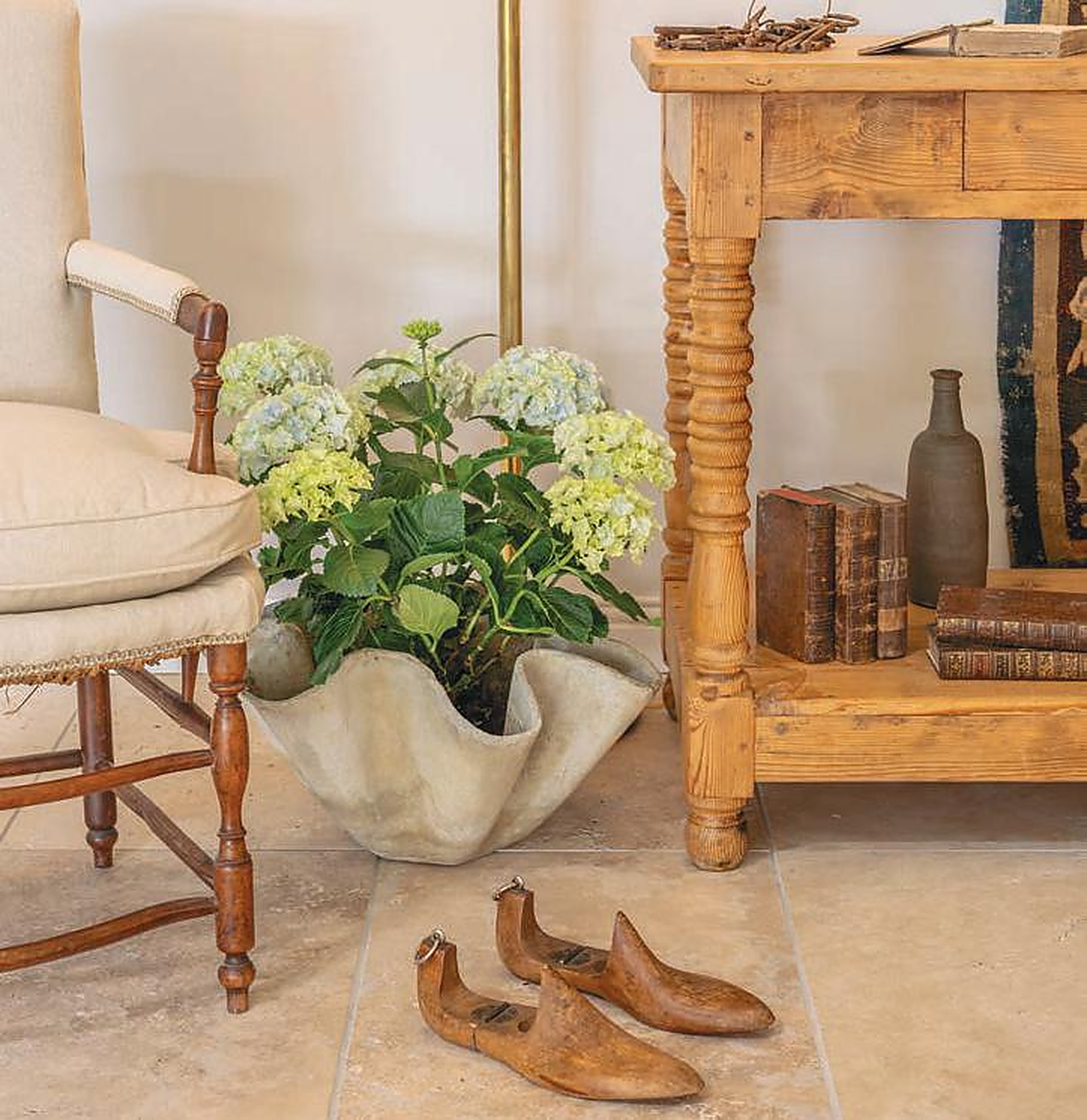
a plant or vase of fl owers can make the area feel complete
“The entryway deserves attention; it is one of the hardest-working areas of the house”
It is also a genuinely enjoyable space to design and decorate. An entryway does not need much to make it feel complete. A vase of garden cuttings, a piece of artwork you truly love, or an old mirror that has witnessed years of comings and goings can be enough. At the same time, it is wonderfully practical. This is where you pause before heading out to pull on shoes and a coat, take a quick look in the mirror to check that your collar is straight and there is no lipstick on your teeth.
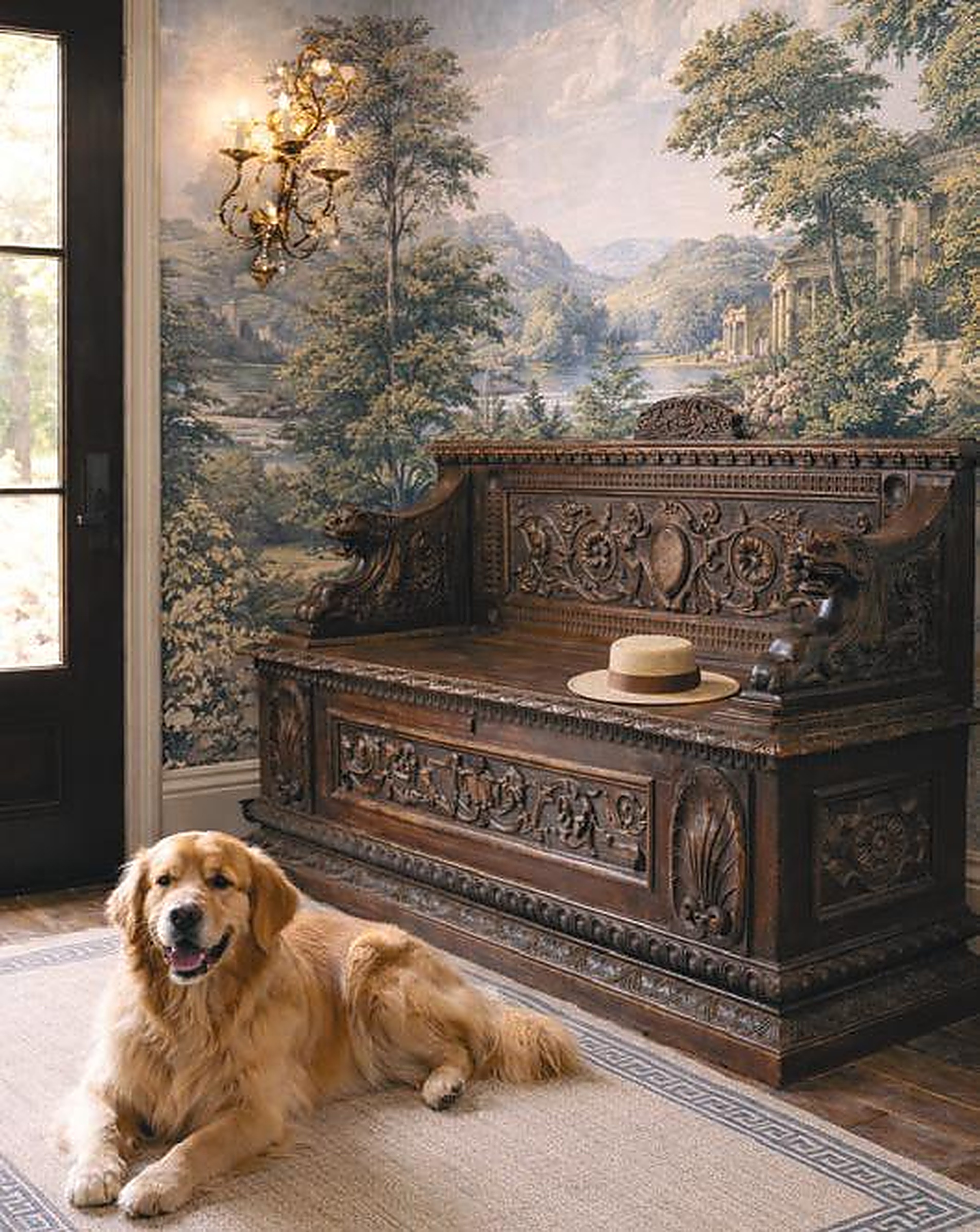
give a hint at what’s to follow in the rest of the house
What I often notice in French homes is that entryways tend to be beautifully functional, thoughtfully furnished and welcoming. There is usually somewhere to sit, even if it is just a simple chair or bench, and a place to set down a bag while coats come off or shoes are changed. A console table often holds a vide-poche for keys and sunglasses. There may be a coat rack or hat stand for scarves, dog leads and jackets, and often a collection of walking sticks kept close to hand. There is almost always a sensible spot for a wet umbrella; a cast-iron umbrella stand works perfectly, with a tray beneath to catch any drips.
I have noticed more gallery walls, with an eclectic mix of botanical prints, antique engravings, watercolours and landscapes. Nothing matches too neatly, and it is this sense of accumulation and gentle collecting that gives these spaces their ease.
“Entryways are busy areas, and too much furniture quickly becomes an obstacle”
SIZE MATTERS
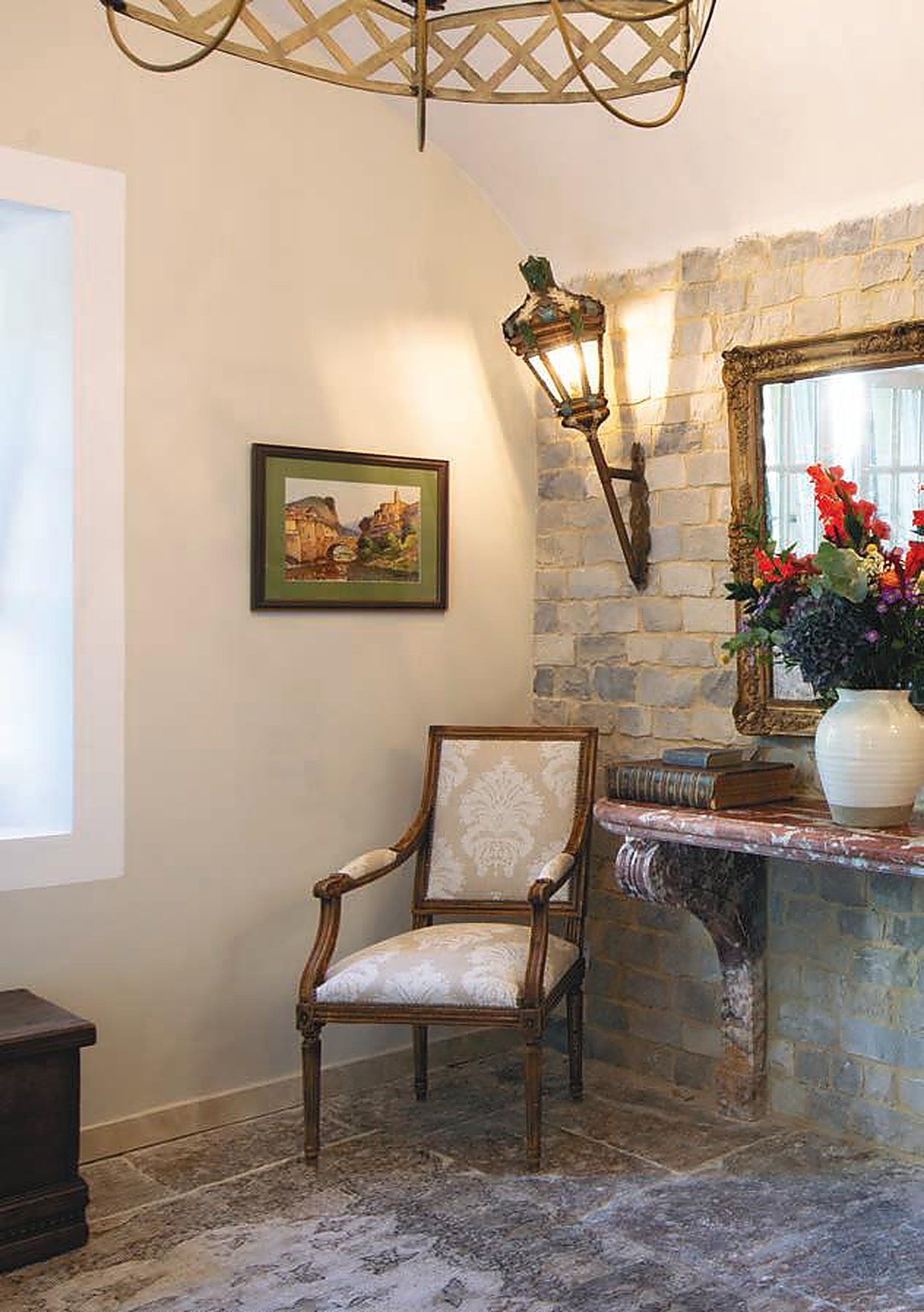
A table top to set things down while preparing to leave is handy
When decorating a hall or entryway, it helps to pay close attention to the architecture you already have. A French feel often comes from working with proportion and scale rather than imposing a look. High ceilings can comfortably take a larger lantern or chandelier, while smaller spaces benefit from wall sconces or lamps that soften the light and make the area feel inviting, particularly in the evening.
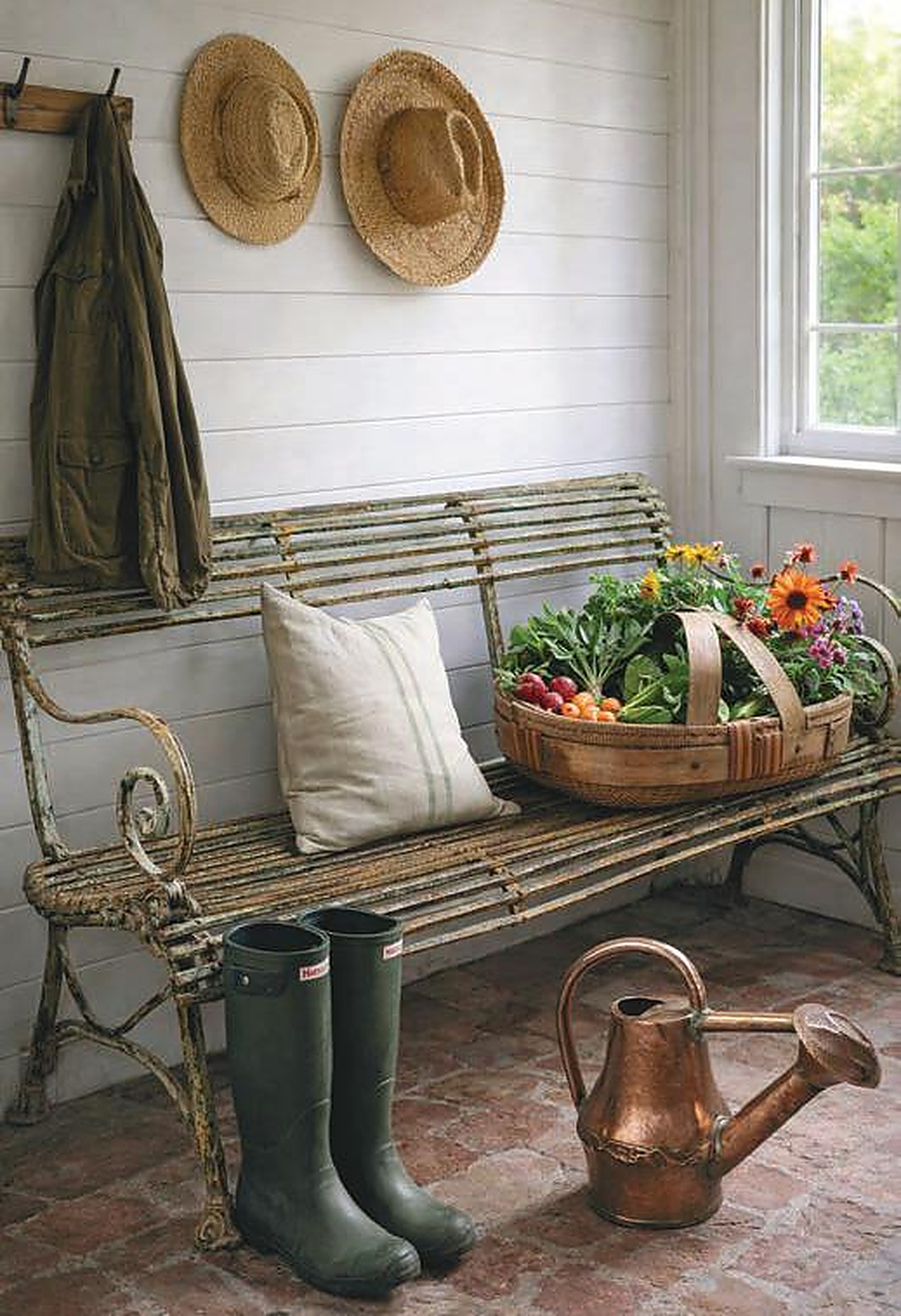
A mudroom entryway can be stylish as well as functional
Many village houses in France have a small foyer just inside the front door, acting as a buffer between the street and the rest of the house. In these cases, a circular centre table works well. It is easy to walk around and useful when your arms are full.
In narrower halls or along corridors and stairwells, a console or commode is often more practical. A demi-lune console is especially effective, as its curved front makes it easier to circulate past without catching a hip or a bag. An antique trunk can also be a clever solution, hiding shoes while doubling as seating or a place to put things down.
One anchor piece is usually enough. Entryways are busy areas, and too much furniture quickly becomes an obstacle. What matters most is how the space is used day to day. Where do people naturally stop? Where do they instinctively set things down? Paying attention to these small habits often leads to the best decisions.
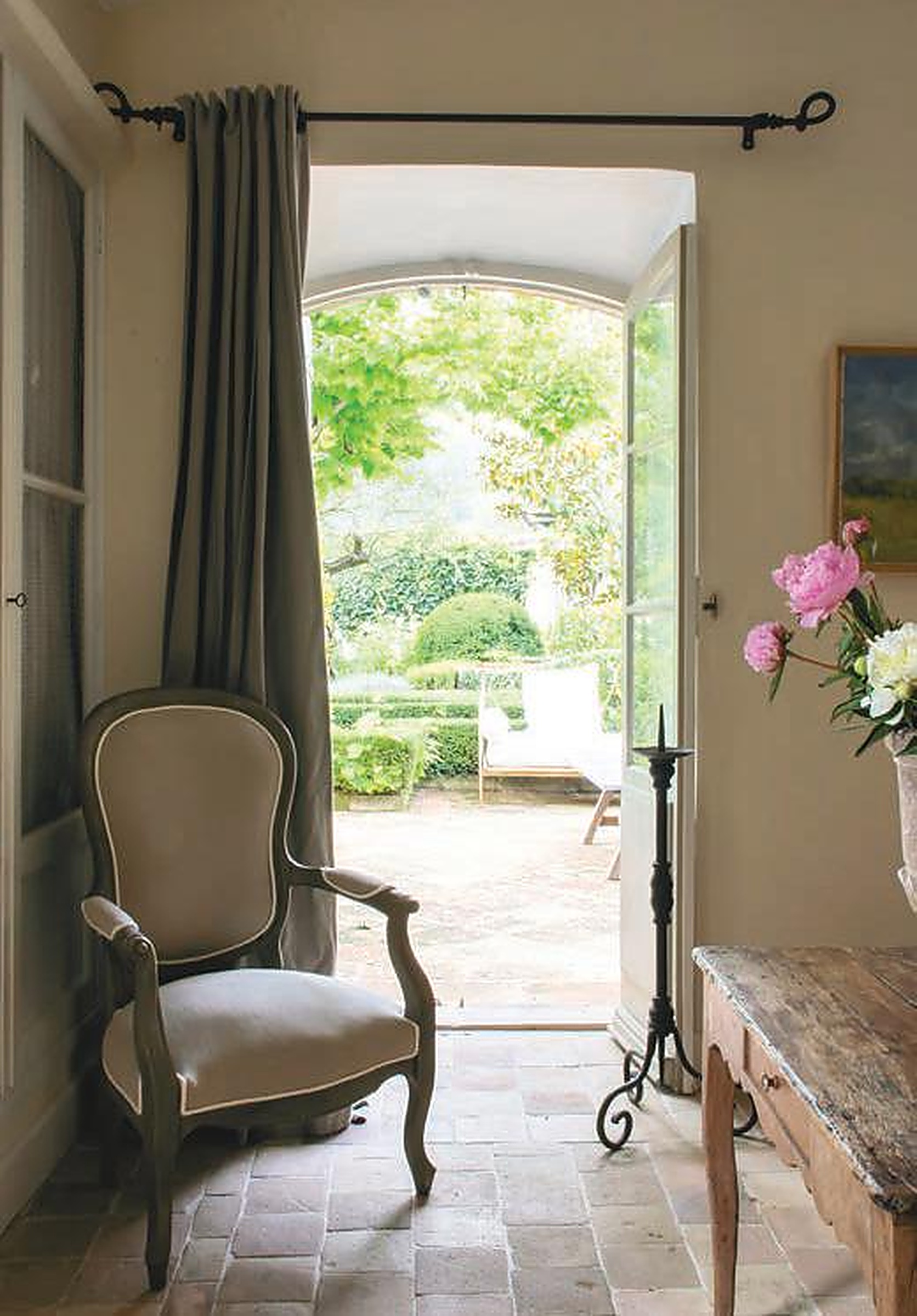
Lighting plays a larger role than we sometimes realise. Soft, warm light makes arrivals feel calmer, particularly after dark. Sensor lighting can be very helpful, removing the need to search for a light switch with full hands. Lamps and wall lights are often more appealing than a single overhead tting, especially in areas that are used briefly but frequently. I like to leave a passage light on overnight when we have guests staying who may lose their bearings.
It is often the smaller details that make both you and your guests feel comfortable. When it is clear where everyday things belong, people relax. They don’t need to ask, so don’t worry about doing the wrong thing. That sense of ease is one of the most generous gestures a home can give.
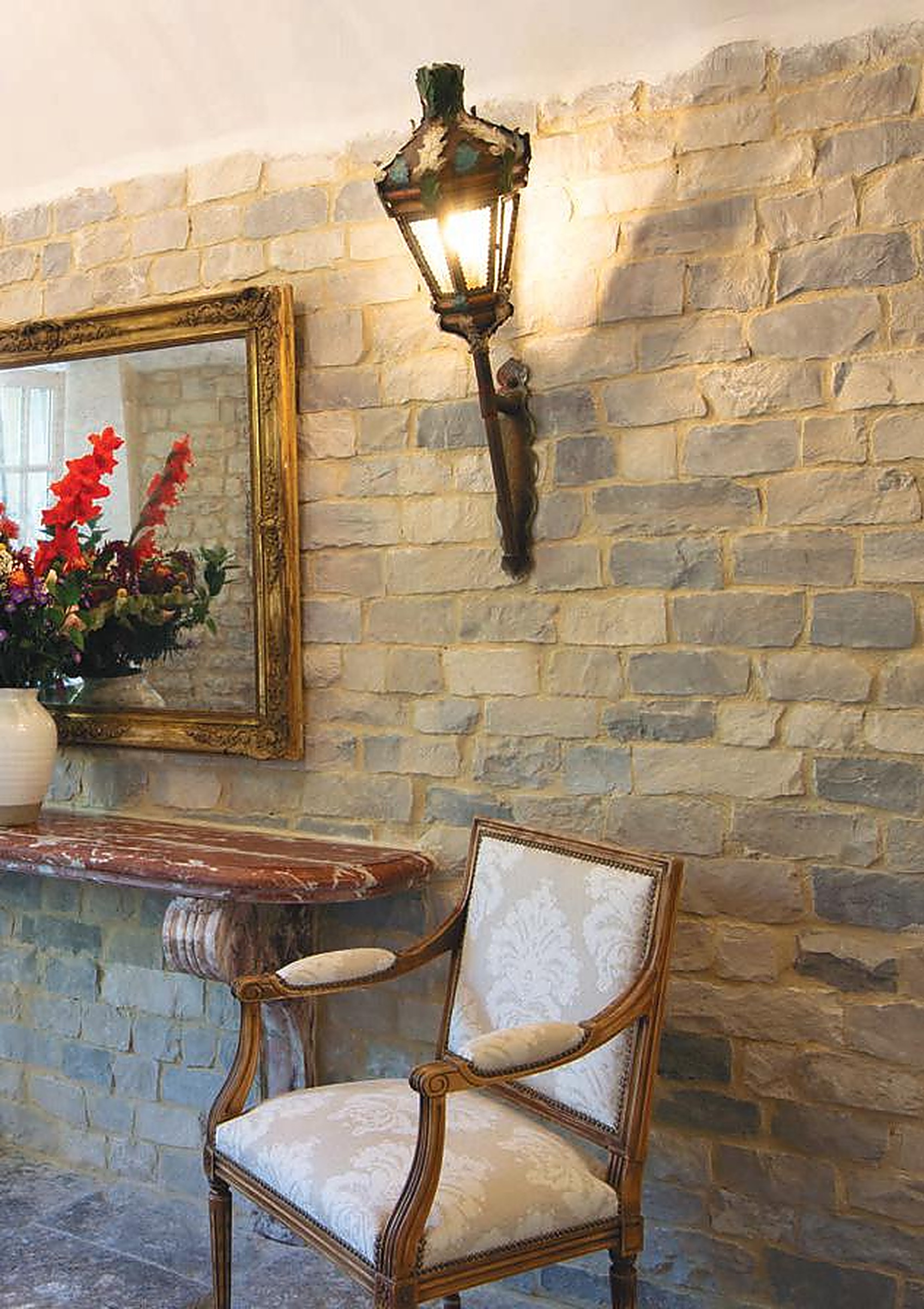
SCENE-SETTING
The entryway sets the scene for the house and establishes the tone for what follows. Repeating a colour, a material, or a furniture style helps everything feel connected. If you love Louis XVI furniture, for example, you might choose a Louis XVI armchair for the entrance and then echo it with a mirror in the same style elsewhere in the house. These details may go unnoticed, but decorating with what you love creates continuity and a quiet sense of coherence.
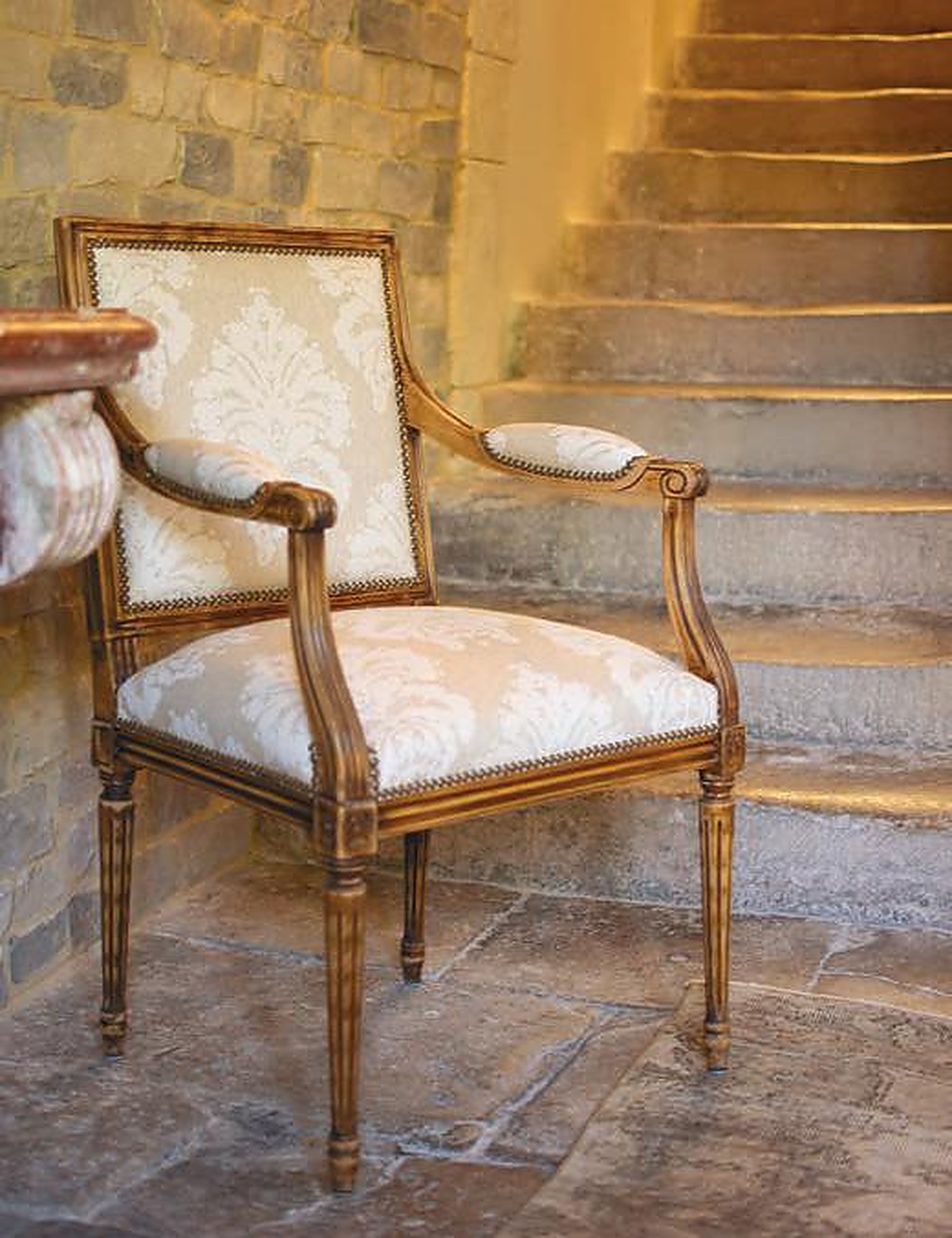
A seat to rest and put on footwear is useful in a hallway
This way of thinking also encourages collecting over time. Choosing pieces that relate to one another, rather than chasing a look, gives a home its own character. Old mercantile furniture, drapers’ tables, scales, shop signs, and well-used pottery all bring a sense of purpose and history. When a home evolves in this way, new pieces tend to nd their place naturally.
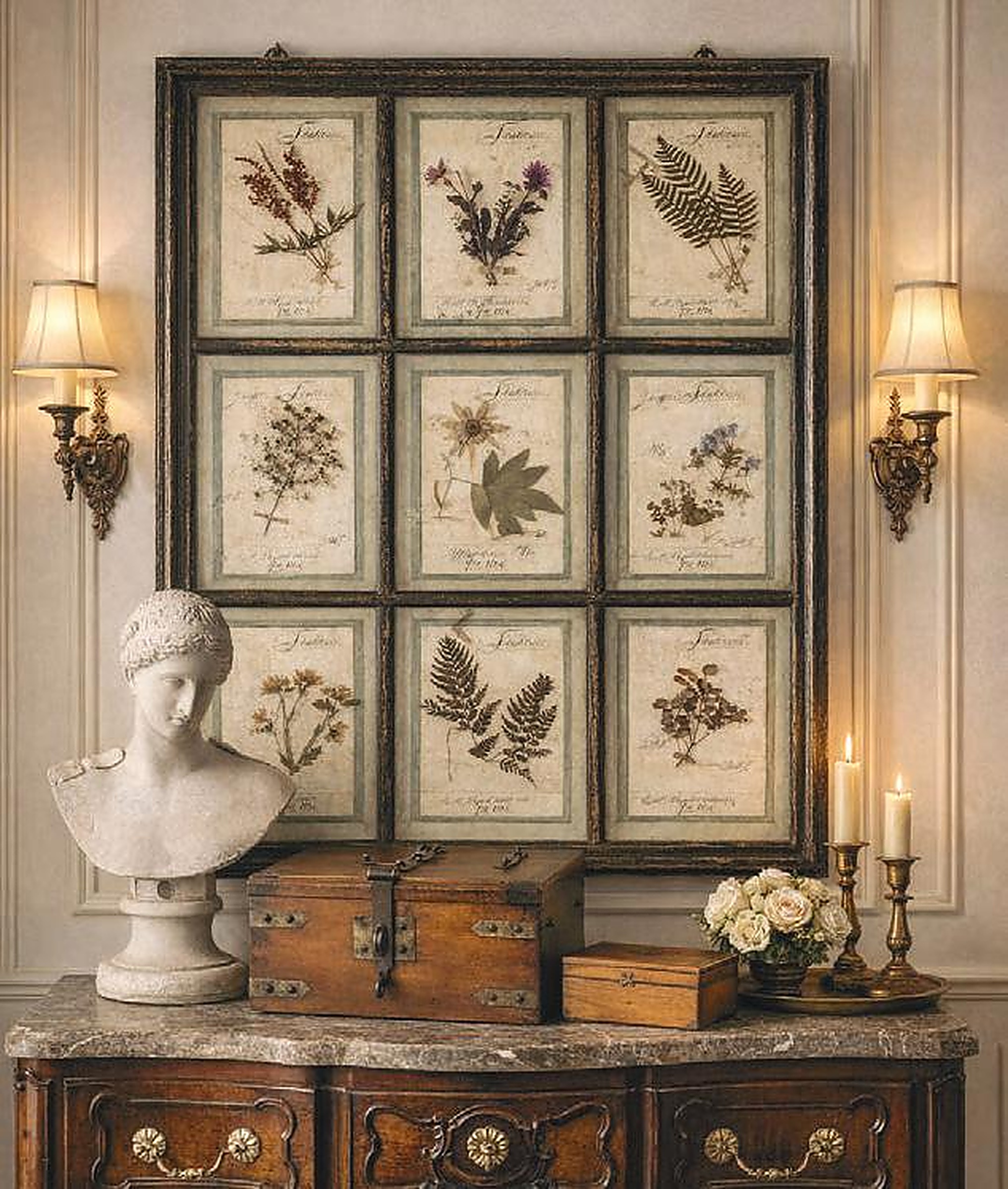
Gallery walls of botanical prints are a popular option
Susannah Cameron is the Director at Chez Pluie Provence, an online boutique selling French antique and vintage pieces
Tel: 0033 (0)7 84 56 02 37
The unique mix of legal, financial and tax advice along with in-depth location guides, inspiring real life stories, the best properties on the market, entertaining regular pages and the latest property news and market reports makes French Property News magazine a must-buy publication for anyone serious about buying and owning a property in France.

Lead photo credit : © SUSANNAH CAMERON/CHEZ PLUIE