
How to Access French Healthcare When Moving to France

What are the key healthcare and insurance considerations when moving to France, and how can we ensure a smooth transition into the French health system?
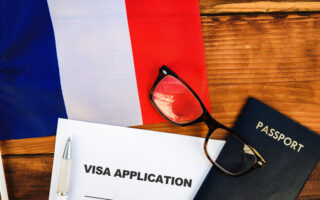
PAULETTE BOOTH of Lonemi responds: To ensure a smooth transition, it’s essential to plan ahead and understand the key steps involved. The process begins before departure. For those applying for a long-stay visa, proof of comprehensive health insurance is mandatory. The policy must include at least €30,000 in medical coverage, including emergency repatriation. It’s vital to choose a policy that offers continuous coverage for the entire stay (standard travel insurance, limited to 30 or 90 days, won’t meet visa requirements). Specialist expat policies are designed to fulfil these criteria, helping avoid visa rejection or delays.
UK retirees or benefit recipients should obtain an S1 form, issued by HMRC. This document allows access to French healthcare on similar terms as residents. However, even with an S1, you’ll still be responsible for costs not covered by social security, known as the ticket modérateur.
Upon arrival in France, registering with local health authorities is your next step. If arriving for work, self-employment or with an S1, you may apply for a social security number immediately. Otherwise, you’ll typically wait about three months a er establishing residence.
During this period, maintaining private health insurance ensures you have uninterrupted coverage and protection from unexpected costs. If you submitted insurance cover with your visa application, that should suffice temporarily. Otherwise, it’s strongly recommended to purchase a short-term private policy to bridge the gap.
Registering for a French social security number is crucial. While it may take several months, once completed you will receive a carte vitale, which streamlines reimbursements and confi rms your coverage.

In the meantime, keep detailed records of healthcare expenses, such as receipts (feuilles de soins, known by us English-speakers as the ‘brown form’), which can be submitted later for reimbursement.
Transitioning from private insurance to the French system also involves obtaining a mutuelle, a top-up policy that covers costs not reimbursed by social security. A mutuelle can signifi cantly reduce out-of-pocket expenses, especially for private hospital stays, dental, optical and other supplementary treatments.
Moving to France requires careful planning around healthcare and insurance. Securing appropriate coverage before leaving, maintaining private insurance during the administrative process, and understanding how to join the French health system are key.
With proactive preparation and expert advice, you can enjoy your new life confi dently, knowing your health needs are fully protected.
Want more help with your France property journey? Join Membership, search our Property Portal, subscribe to French Property News, and follow our YouTube channel for the latest advice and updates. Join us at the French Property Exhibition for expert advice and property inspiration.

Share to: Facebook Twitter LinkedIn Email
More in carte vitale, CPAM, expat health cover, french healthcare, health insurance, long-stay visa, moving to france, mutuelle
Related Articles


By Lonemi
Leave a reply
Your email address will not be published. Required fields are marked *