
Moving Pets to France: What Owners Need to Know
Sponsored Content
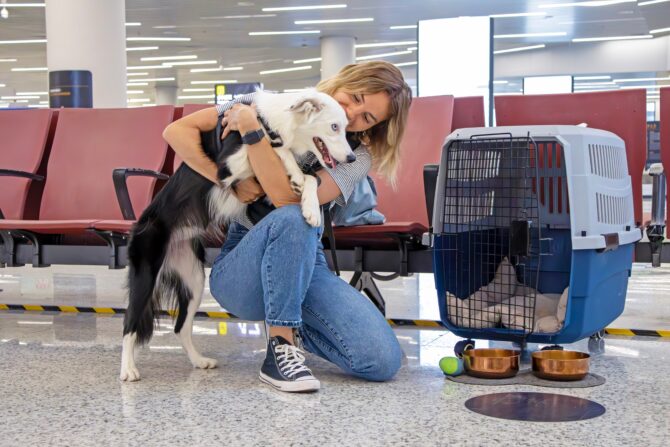
For families moving to France, the pet is rarely the most complicated part of the move on paper, but often the most stressful in practice. Veterinary timelines run on their own clock, the rules vary considerably from one country to the next, and the consequences of a missing document at the border range from a delay and additional fees through to the animal being refused entry and sent back to its point of origin.
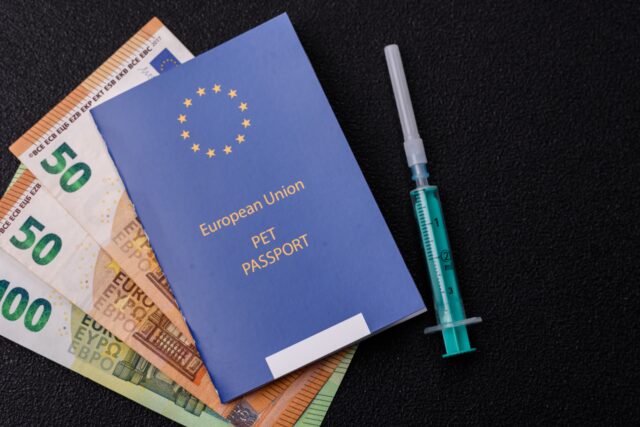
For British owners, the picture has become noticeably more demanding in the past few years. From 22nd April 2026, EU pet passports issued to or held by GB residents stopped being valid for entry into the EU, including those issued before that date. Anyone whose main residence is in England, Scotland or Wales now needs an Animal Health Certificate (AHC), issued by an Official Veterinarian no more than ten days before travel, for every single trip with a dog, cat or ferret. Residents of Northern Ireland and pet owners whose main residence is in an EU member state are not affected and can continue to use EU pet passports, which remain valid for the lifetime of the animal.
The basic preparation
Whatever the route and whichever country is involved, three core requirements apply to any dog, cat or ferret moving in or out of the EU. The animal must be fitted with an ISO-standard microchip (11784/11785). It must hold a current rabies vaccination administered after the chip went in, with at least 21 days having elapsed between the date of the jab and the date of travel. And the owner must hold a valid travel document, either an EU pet passport for EU residents or an AHC for GB residents.
Less common pets
The picture changes again for what French regulations group together as nouveaux animaux de compagnie (NAC): reptiles, certain birds, rabbits, rodents and similar. Species listed under CITES, the international convention regulating trade in endangered wildlife, need additional permits in both the country of departure and the country of arrival. Some receiving countries simply have no import framework in place for particular species, in which case the move is not legally possible at all. Establishing what is and is not allowed is usually the first step rather than the last.
Flying the animal
For most international moves, air travel is the only practical option. The benchmark here is the IATA Live Animals Regulations (LAR), the global standard for the carriage of live animals by air, used by EU member states, the World Organisation for Animal Health and CITES as the reference for compliant transport.
The LAR sets requirements for container construction, ventilation, water access, labelling and species-by-species handling. An animal presented at airline cargo check-in with a non-compliant crate will simply be refused, and turning up with a kennel bought online that does not match the dimensions or build specification the carrier requires is one of the more common avoidable problems.
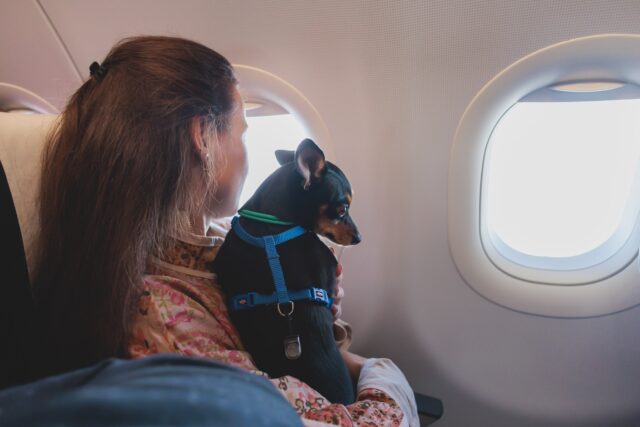
Several other practical factors catch owners out. Most airlines apply heat embargoes during summer on certain routes. Brachycephalic breeds such as bulldogs, pugs and Persian cats are restricted or refused by a number of carriers because of the breathing risk at altitude. And the choice between cabin (small pets only, weight-limited, and only on certain airlines) and cargo hold has to be made when the booking is taken, since it has implications for crate size, vaccination paperwork and the animal’s experience of the journey.

Beyond the baseline LAR, the IATA Center of Excellence for Independent Validators (CEIV) Live Animals programme, launched in 2018, certifies airlines, ground handlers and freight forwarders against an independently audited operational standard covering training, infrastructure and quality management. Only a small number of organisations worldwide hold the certification.
The role of a specialist
A pet relocation specialist takes on the parts of the move that are time-consuming, paperwork-heavy or operationally specialised: organising the AHC or pet passport timeline with the right vet, sourcing IATA-compliant crates, coordinating with the airline’s live animals desk, handling French veterinary inspection and customs clearance at the airport, and remaining contactable around the clock in case of delays or rerouting during transit.
Goldenway International Pets and Live Animals, based at Roissy Charles de Gaulle with agents in Toulouse, Nice, Lyon, Marseille, Bordeaux and Montpellier, was the first freight forwarder for live animals worldwide to obtain the IATA CEIV certification, and operates with the approval of the French Ministry of Veterinary Services. The team can be contacted for an initial conversation about a particular animal, destination and timeline.
Want more help with your France property journey? Join Membership, search our Property Portal, subscribe to French Property News, and follow our YouTube channel for the latest advice and updates. Join us at the French Property Exhibition for expert advice and property inspiration.

Lead photo credit : Shutterstock
Share to: Facebook Twitter LinkedIn Email
More in Dog, Pet, Pet passport, travel to france
Related Articles



Leave a reply
Your email address will not be published. Required fields are marked *