
Buying a House With a Swimming Pool in France: What You Need to Know
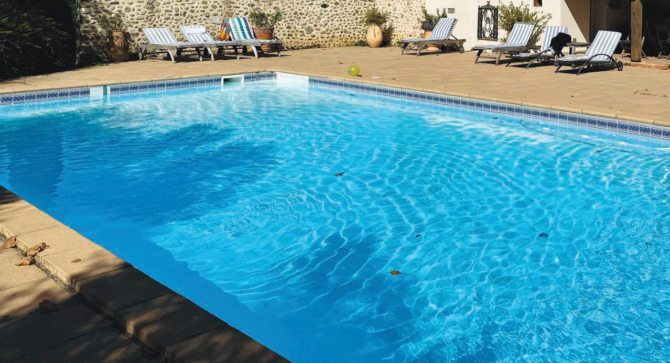
For many people buying in France, a swimming pool is high on the wish list. It conjures up lazy summer afternoons, outdoor meals that stretch into the evening and making the very most of the climate. A pool can transform a property from attractive to irresistible.
However, when you purchase a house with a pool, you’re not just buying into that vision. You’re also taking on the practical side: the legal requirements, the ongoing maintenance and associated costs. Being aware of both aspects from the start will help ensure continued enjoyment.
A well-designed, properly maintained pool can be a fabulous asset. A neglected or non-compliant one, however, can quickly become an unexpected expense. The key is knowing what to look for before you sign on the dotted line.
Check the Pool Meets French Safety Laws
France has strict safety laws governing private swimming pools. These regulations are not optional, and responsibility transfers to the new owner upon completion of the sale. All private in-ground pools must be equipped with at least one approved safety device designed to prevent accidental drowning. This can be a safety cover, a pool alarm, fencing or a pool abri (enclosure).
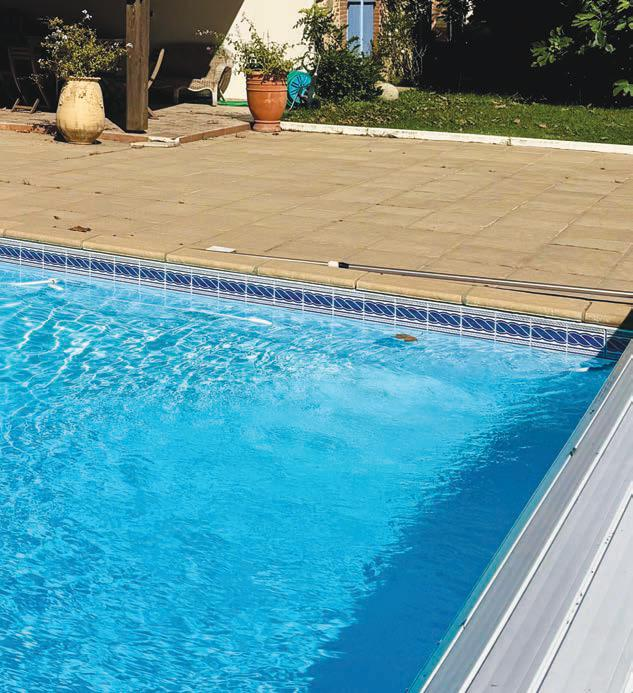
The safety device must meet current French standards and be in proper working order. An old alarm that no longer functions, or a damaged cover that does not lock securely, does not count. When viewing a house, ask when the system was installed, confirm that it meets regulations and request any supporting documentation.
If the system is outdated or non-functional, you will be responsible for upgrading it, so it’s always best to check.
Read more: The Laws of Pool Security in France and Swimming Pool Safety in France
Confirm the Pool Was Properly Declared
You should confirm that the pool was properly declared when built. Depending on size and type, pools in France require either prior declaration or planning permission. If the seller cannot confirm that it was correctly authorised, this may cause complications with the purchase. It is not common, but it does sometimes happen, particularly with older pool installations.
Read more: What Planning Permission Do We Need for Our Pool?
Don’t Forget Insurance and Liability
You should inform your insurer that the property has a swimming pool and confirm that both the pool and its equipment are covered against damage. It’s equally important to ensure you have adequate public liability cover, particularly if you plan to rent the property to paying guests.
How a Pool Affects Your Property Tax
In France, a permanent in-ground swimming pool is classed as an improvement to the property and is already taken into account when calculating the annual taxe foncière property tax. Therefore, if the pool has been correctly declared, it will be included in the seller’s current tax bill.
Read more: French Property Taxes: Taxe d’Habitation and Taxe Foncière
Assessing the Pool’s Condition
A swimming pool may look attractive during a viewing, but appearance alone tells you very little about its condition. Ask when it was constructed and what type it is. In France, most pools are either lined, tiled or prefabricated (coque).
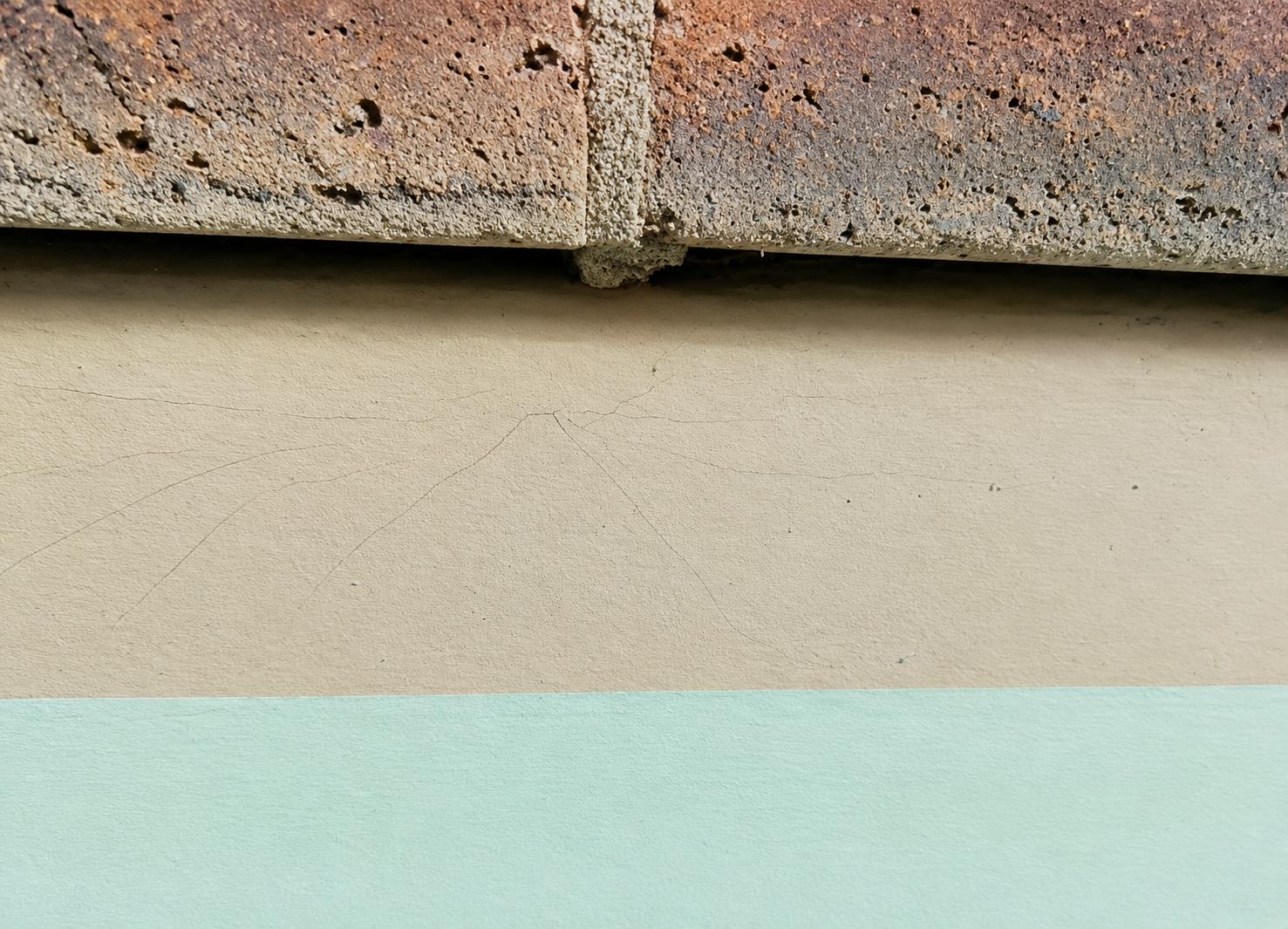
If the pool is of a coque type (prefabricated), check that the water liner is level
With a liner pool, it’s not always possible to see what construction lies beneath until the liner itself needs replacing. A liner typically has a lifespan of about 10 to 15 years. The underlying structure, however, can last for many decades, particularly if built in reinforced concrete.
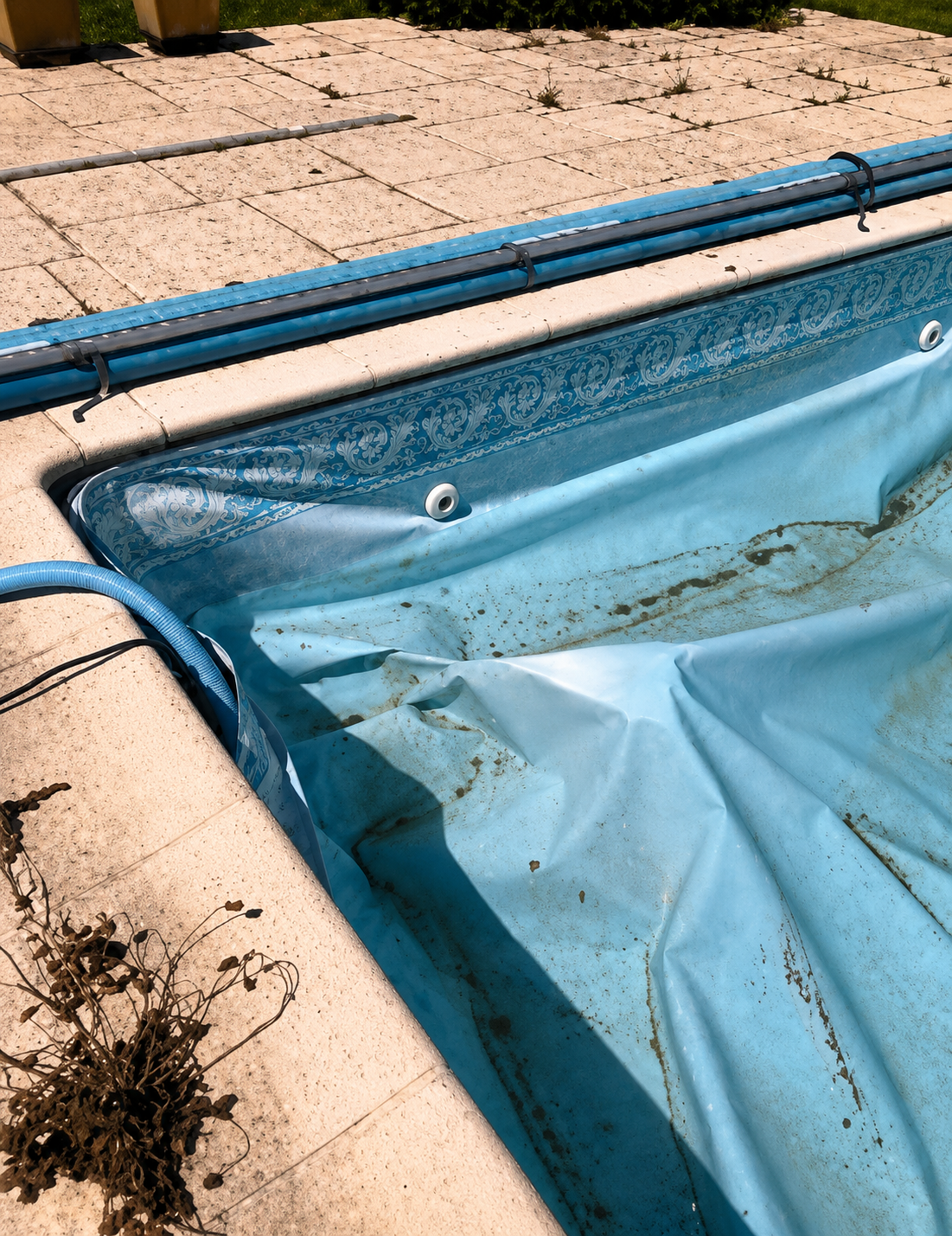
Covers should meet safety standards
With tiled pools, look for any loose or missing tiles and gently tap areas in the pool to check for hollow sounds. You may notice a white, powdery residue (efflorescence). This is not uncommon and is often cosmetic; however, if it’s widespread or persistent, it can indicate the movement of moisture through the structure. Likewise, tile or grout repairs are fairly common and usually straightforward, but may need a professional eye to confirm the pool remains watertight.
Prefabricated pools are typically made from polyester resin. Check for cracks – particularly around corners and steps – and blistering or bubbling on the surface, which can indicate osmosis caused by moisture beneath the finish. It’s also important to check the water line is level all around the pool, as this can signal the quality of the installation.
Read more: Choosing a Swimming Pool for Your French Home
Inspecting the Filtration System
Take a look at the filtration system for any visible signs of wear, leaks or temporary pipe repairs. These may indicate poor installation or inconsistent maintenance.
Ask how old the system is and whether any problems have arisen. Untidy pipework, improvised electrics or poorly finished surrounds can suggest the pool was not professionally installed, something to look out for in older self-build properties.
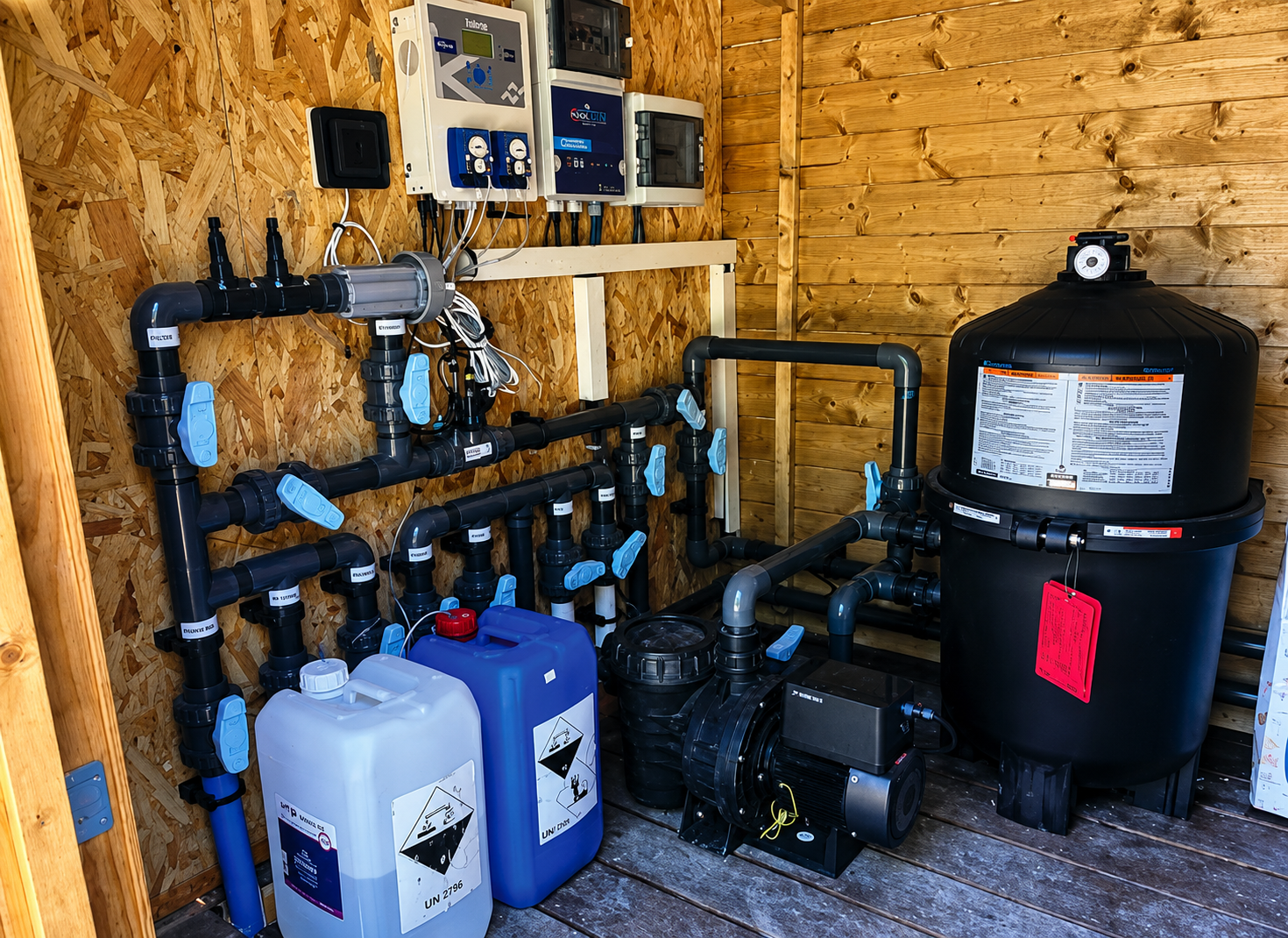
A new cartridge system with a variable speed pump is cost-effective
The filtration system should operate smoothly. Excessive noise or persistent leaks may require future expense.
What Green or Cloudy Water Really Means
Green or cloudy water is not usually a long-term problem. It may simply reflect seasonal maintenance or a short period of the property being empty. However, it can sometimes point to filtration issues or inconsistent upkeep. If a pool has a history of needing strong corrective treatments to recover from going green, this can place additional strain on pipework and pool coverings over time. While this is not uncommon and is often manageable, it’s worth asking how the pool has been maintained to get a clearer picture of its overall care.
If you’re unsure about the condition of the pool, arrange a visit from a specialist before exchange of contracts. An assessment can clarify the overall state of the installation and identify any work that’s required now or needs to be planned in for the future.
Understanding the Running Costs
Electricity is usually the biggest cost. Pumps must run daily during the season to maintain water quality. Older single-speed pumps consume significantly more energy than modern variable-speed models. In many cases, upgrading is straightforward and can reduce energy bills considerably.
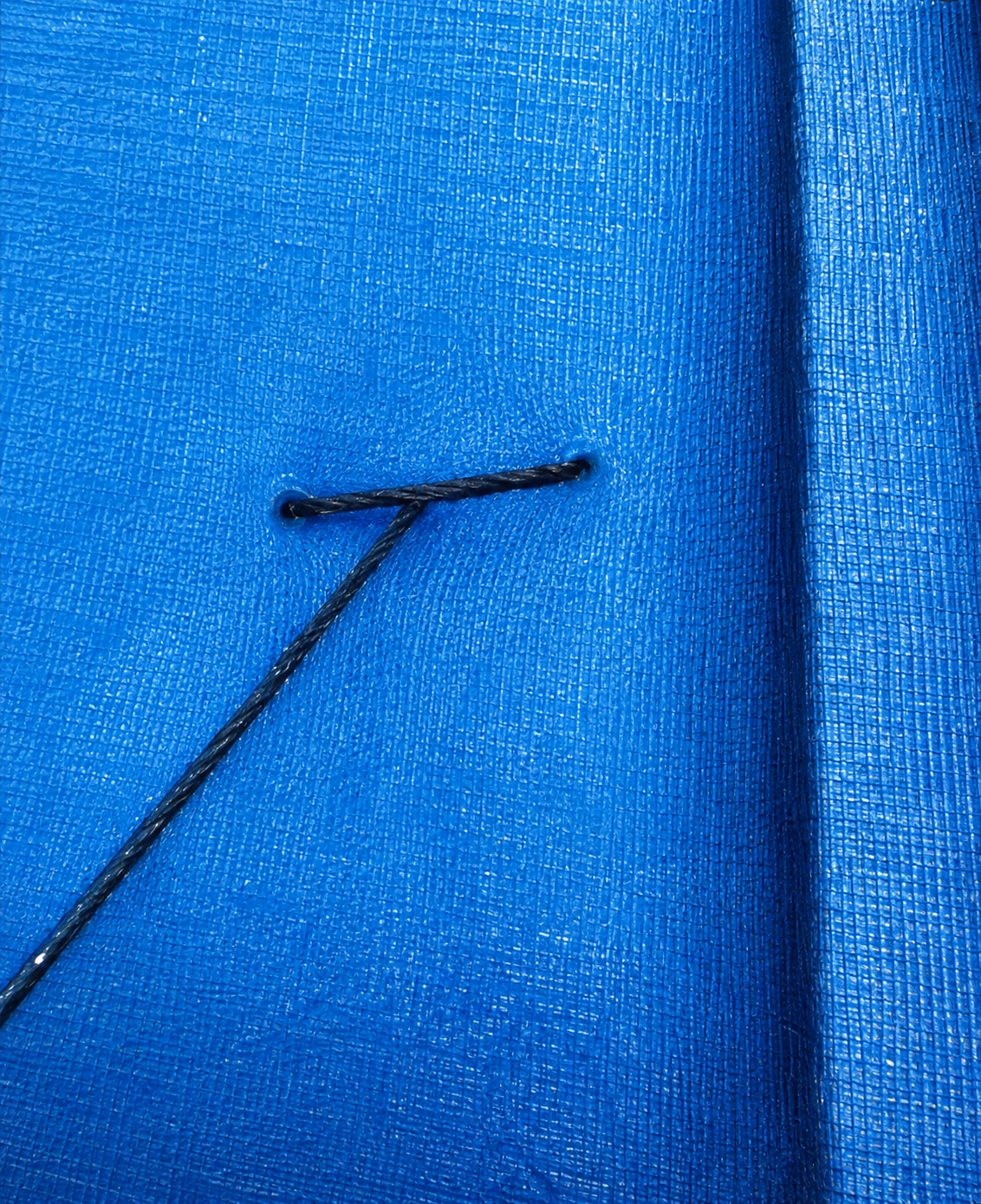
Check the grout in tiled pools
Water treatment is usually either traditional chlorine products or a salt chlorination system. Where a salt system is already installed, annual running costs are often around €200 for the consumables, compared with approximately €500 per year for conventional chemical treatment.
It’s often assumed that pools need to be refilled regularly (it’s important to note that liner pools and prefabricated pools should never be emptied). However, aside from the initial fill, a pool generally only requires the occasional top-up to compensate for evaporation and routine maintenance.
Read more: What Do You Need to Know Before Owning a Swimming Pool in France?
Does the Pool Suit the Property?
Take a step back and ask yourself whether the pool truly complements the property. When it is well positioned and in proportion to the house and garden, it feels like it has always belonged there and can add real value. But if it is oversized or awkwardly placed, it can overwhelm a smaller plot and restrict how the space is used in the future.
Consider whether the pool is the right size for you and your lifestyle. Think about how often it will be used, by how many people and for what purpose. While a pool can always be altered by adding steps, for example, or even replaced in the future, it is far better to ensure it suits your needs from the outset.
Ultimately, a swimming pool is simply part of the home. When properly installed, well maintained and suited to the property, a pool brings enormous enjoyment and can enhance both the appeal and value of a house in France.
Most potential issues are identifiable and manageable with the right checks. Ask the right questions and your swimming pool can be exactly what it was meant to be: the backdrop to long summer lunches, happy house guests and the occasional overly competitive lilo race!
Red Flags to Watch For
Above-ground pool set in the ground: In some cases, an above-ground pool structure has been installed below ground level. These pools are not designed for permanent in-ground use and do not offer the same structural strength or longevity. Their lifespan is therefore more likely to be measured in years rather than decades. They’re often identifiable by a surrounding timber deck rather than traditional coping or paving, and the pipework is typically flexible, ribbed tubing rather than solid pressure pipes.
Water behind the liner: Visible water sitting between the liner and the pool wall usually indicates poor drainage around the outside of the structure. Groundwater can build up and create pressure behind the walls, forcing moisture between the structure and liner. This can cause bulging or wrinkling and, over time, may lead to structural stress. Drainage issues are often more complex to resolve than a simple liner replacement, so they should be investigated very carefully.
Skimmers and surrounding concrete: It’s also worth checking how the surrounding terrace has been constructed around the skimmers (filters in the pool walls). If concrete has been poured directly onto the skimmer pots without adequate expansion allowance, movement in the terrace over time can place stress on the skimmer housing. In some cases, this can pull the skimmer away from the pool wall, leading to cracks or leaks. This is not common in professionally installed pools, but it is something to be aware of with older installations or where the terrace has been added later.
Julia French runs Pristine Piscines in southwest France. Tel: 0033 (0)6 32 10 39 92 · pristinepiscines.fr
The unique mix of legal, financial and tax advice along with in-depth location guides, inspiring real life stories, the best properties on the market, entertaining regular pages and the latest property news and market reports makes French Property News magazine a must-buy publication for anyone serious about buying and owning a property in France.

Lead photo credit : © SHUTTERSTOCK, JULIA FRENCH
Share to: Facebook Twitter LinkedIn Email
More in buying a house with a pool, Pool maintenance, pool safety law, property with pool, swimming pool France
Related Articles



Leave a reply
Your email address will not be published. Required fields are marked *