
What to do if you get bitten by a dog in France
Advice
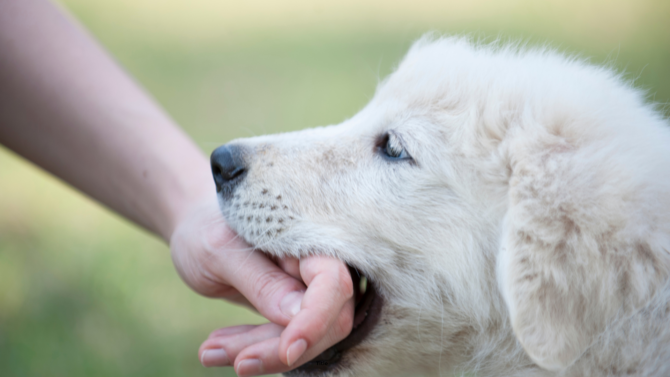
Getting bitten by a dog is horrible wherever you are. Add a foreign language, unfamiliar systems and the worry of “what if it’s serious?” and it can feel quite overwhelming.
The good news is that in France there are clear rules, good medical care and a legal framework that usually places responsibility on the dog’s owner, not on you. Serious complications are rare if you act promptly.
1. First things first: look after the wound
Treat any bite that breaks the skin as something that needs medical attention.
As soon as you can:
- Rinse the bite thoroughly under running water for several minutes
- Use soap if you have it, and gently clean around and inside the wound
- Pat the area dry with something clean
- Cover with a sterile dressing or a very clean cloth
2. Getting medical help in France
You should get a professional to look at the bite as soon as possible, ideally within a few hours. Where you go depends a little on the severity and on where you live.
If you are already living in France
- Contact your médecin traitant (registered GP) and explain it is a recent dog bite
- If they cannot see you quickly, try another médecin généraliste nearby or a Maison de santé
- If the wound is serious, very dirty, on the face or you feel unwell, go straight to the urgences (A&E) at the nearest hospital
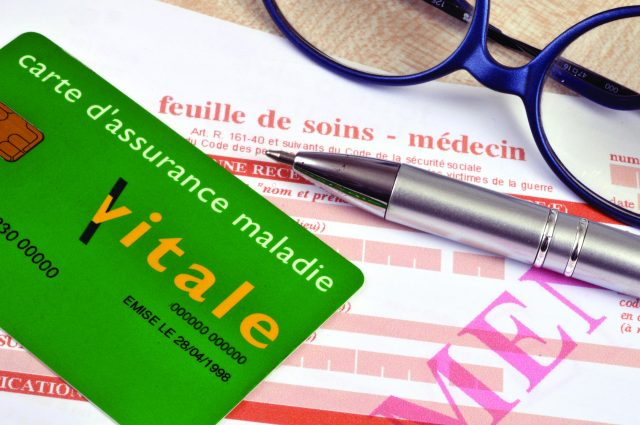
Remember your carte Vitale and any mutuelle details.
If you are visiting France
- For anything more than a superficial nip, it is sensible to go to urgences or a local médecin généraliste
- In a genuine emergency, you can call 112 (EU-wide emergency number) or 15 (SAMU, medical emergencies)
If you are visiting from the UK, medically necessary care in the state system is usually covered if you have a GHIC or old EHIC, although you may need to pay up front and claim later. Travel insurance may also help with private fees or extra costs.
What the doctor is likely to do
Depending on the bite, the doctor will usually:
- Clean the wound more thoroughly
- Decide whether you need antibiotics
- Check your tetanus status and give a booster if needed
- Assess your rabies risk and arrange post-exposure vaccination if there is any concern
- Provide a written report or prescription that will be useful later for insurance or any legal claim
Do not be shy about asking: “Do I need to worry about rabies?” and “Is my tetanus up to date?”.

3. Rabies: real risk, or just a scary word?
Rabies is one of those words that immediately raises the heart rate. The reality in mainland France is more reassuring. France is considered free of rabies in pets such as dogs and cats, with very rare, imported cases or infections in bats. That means the risk from a normal pet dog that lives in France is very low indeed.
However, the standard advice from both French and UK health authorities is clear. If you are bitten, scratched or licked on broken skin by an animal abroad, you should:
- Wash the wound thoroughly
- Seek medical advice promptly, rather than waiting until you are back in the UK
Rabies vaccines given after an exposure are highly effective if started early. If your doctor thinks there is any doubt, they may recommend a course. It is unpleasant but quite straightforward and is infinitely preferable to worrying.
4. Information to collect at the scene
If the situation is calm and you feel safe, try to gather some basic details before you leave.
Useful information includes:
- The name, address and phone number of the dog’s owner or keeper
- Any details from the dog’s collar tag
- If offered, a look at the dog’s vaccination record (carnet de santé), especially rabies
- The exact place, date and time of the incident
- Names and contact details of any witnesses
- Photos of your injuries, the dog and the location, if that feels safe and appropriate
If the owner is defensive or unpleasant, do not argue; your first priority is to get away and get treatment. You can still report the incident without all of the details.
5. Reporting a dog bite in France
French law requires that dog bites are taken seriously and there is a specific procedure to follow.

Declaration at the mairie
Under French rules, any dog that bites a person must be declared to the mairie (town hall) where the owner lives, or, if the owner is unknown, where the bite took place. The declaration can be made by:
- The owner or keeper of the dog
- A doctor or vet
- In practice, sometimes by the victim or their family if no one else has done it
Once notified, the mairie will usually require that the dog undergoes veterinary surveillance for 15 days, with three vet visits. This is mainly to check for signs of rabies and to assess the dog’s behaviour.
- The first visit must be carried out within 24 hours of the bite.
- The second visit must be carried out no later than 7 days after the bite.
- The 3rd treatment should be carried out on the 15th day after the bite.
As the person who has been bitten, you are not in trouble. The system exists to protect public health and to identify problem animals, not to blame the victim.
Police or gendarmerie
If the bite is serious, the dog was clearly out of control or the owner was negligent or aggressive, you can also:
- Make a complaint at the gendarmerie or police station (porter plainte)
This creates a formal record of what happened. If you are not confident in French, it can help to write out the main facts in advance in simple French, and bring any medical reports or photographs with you.
Owner liability
Under the French Civil Code, the owner or keeper of an animal is generally responsible for damage it causes. You usually do not have to prove they were “at fault” in the way you might in the UK. It is enough to show that their dog caused the injury.
Insurance in France
In France, this type of damage is usually covered by responsabilité civile, which is normally included in standard home insurance policies.
So, in principle:
- The dog owner should declare the incident to their insurer
- Their insurer may then cover your medical expenses that are not reimbursed by the health system, plus things like lost income or ongoing damage
If you live in France yourself, your costs will typically be partly reimbursed by Sécurité sociale, with the remainder potentially covered by your mutuelle or claimed from the dog owner’s insurance. Make sure you report the bite to your CPAM (health insurance fund), you can do this on your Ameli.fr account.
If the owner has no insurance, or simply refuses to cooperate, you are still allowed to pursue compensation. This is where you may want to talk to a French lawyer, a victim support association or your own insurer for advice.
Travel insurance
If you are visiting, contact your travel insurer as soon as it is practical to do so. They may:
- Cover private medical care, transport or extra accommodation
- Liaise with the dog owner’s insurer, if there is one
- Help you with legal advice if needed
In every case, keep any medical reports, prescriptions, receipts, and copies of any police or mairie declarations. These are your evidence later.
7. Back home in the UK or back to normal life in France
Once the initial shock has passed, there are a few sensible follow-up steps.
Watch the wound
Over the next days, seek medical advice urgently if you notice:
- Increasing redness, swelling or warmth around the bite
- Pus, a bad smell or the wound opening
- Red streaks travelling up the limb
- Fever, shivers or feeling generally unwell
Dog bites can look harmless on day one and then declare an infection later, so trust your instincts and do not “wait and see” for too long if it looks worse.
Speak to your usual doctor
- If you live in France, follow up with your médecin traitant
- If you live in the UK, see your GP or call NHS 111
Take any French medical paperwork with you, including proof of tetanus or rabies vaccinations given.
Some people bounce back quickly, others find they feel nervous around dogs or get anxious when walking in the same place again.
If you find yourself changing your behaviour significantly because of the bite, it is worth mentioning this to a doctor or counsellor. It is a valid consequence of the incident, not something you “should just get over”.
8. Useful sources of information
For more detail, clear instructions and reassurance, these are good places to start:
- For UK residents – UK government travel health advice and NHS website
For practical advice on animal bites, infection signs and rabies information for travellers.
- Service-Public.fr (French government portal)
For official guidance on what to do in the event of a dog bite, owner responsibilities, insurance and declarations.
- Your home or travel insurer’s helpline
For advice on what to keep, how to declare the incident and whether they can support you in dealing with French insurers or authorities.
If you are settled in France, it is also worth checking what your own responsabilité civile covers, in case you one day find yourself on the other side of a pet-related incident.
What to do if it’s your dog that bites someone
If it is your dog that bites someone in France, take it seriously but try not to panic. Make sure the injured person is safe, encourage them to rinse the wound thoroughly and seek medical care, and give them your full contact details along with your dog’s vaccination record, especially proof of rabies vaccination if you have it.
As the owner you are generally liable in French law for damage caused by your animal, so you should declare the incident promptly to your home insurer, under the responsabilité civile section of your policy, and inform your mairie, who may require a 15 day veterinary observation period for your dog with several check ups at the vet.
In France, serious dog bites can lead to criminal charges, not just insurance claims. The decision whether to prosecute is made by the public prosecutor (procureur de la République), based on the police or gendarmerie report and the seriousness of the injuries. For non-fatal bites, maximum penalties range from 2–7 years in prison and €30,000–€100,000 in fines, depending on how badly the victim is hurt and whether there were aggravating factors (for example, a “dangerous” dog not muzzled or owned without the proper permit). If someone dies, the maximum can rise to up to 10 years’ imprisonment and €150,000 in fines in the most serious, clearly negligent cases, though such heavy sentences are reserved for exceptional situations.
Cooperate fully with the injured person, keep them informed, and respond quickly to any requests from insurers, the mairie or the vet; it helps the victim feel supported and also shows the authorities that you are behaving responsibly, which usually makes the whole process calmer and more straightforward for everyone.
Being bitten by a dog is upsetting and can leave you sore, shaken and angry. It is also something that the French health and legal systems deal with all the time.
More information: https://www.service-public.gouv.fr/particuliers/vosdroits/F24028?lang=en
Looking for more like this?
Every issue of French Property News delivers in-depth regional buying guides, sound and trusted advice from leading experts, inspirational real life stories, renovation tales and lots of lovely properties to browse.

Lead photo credit : neneos from Getty Images
Share to: Facebook Twitter LinkedIn Email
More in Dog, Dog Bites, Emergency, Medical Emergency
Related Articles



Leave a reply
Your email address will not be published. Required fields are marked *